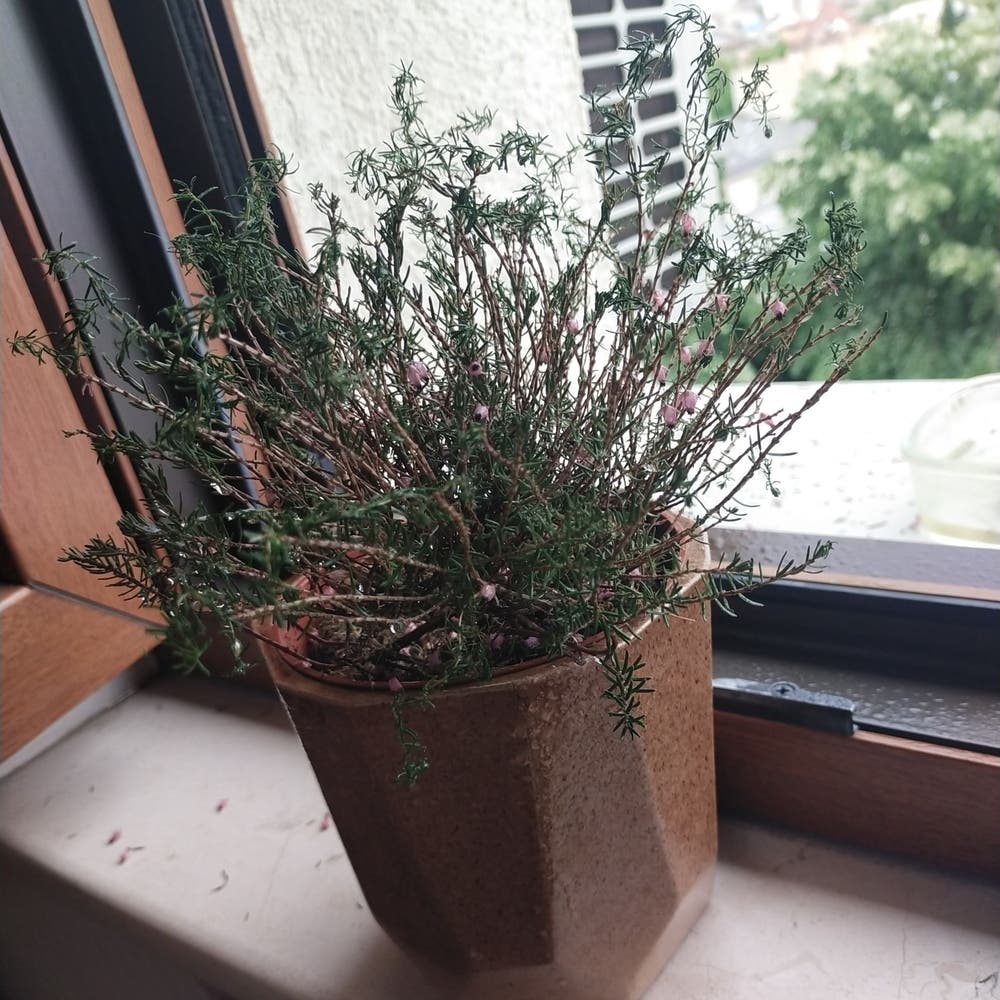
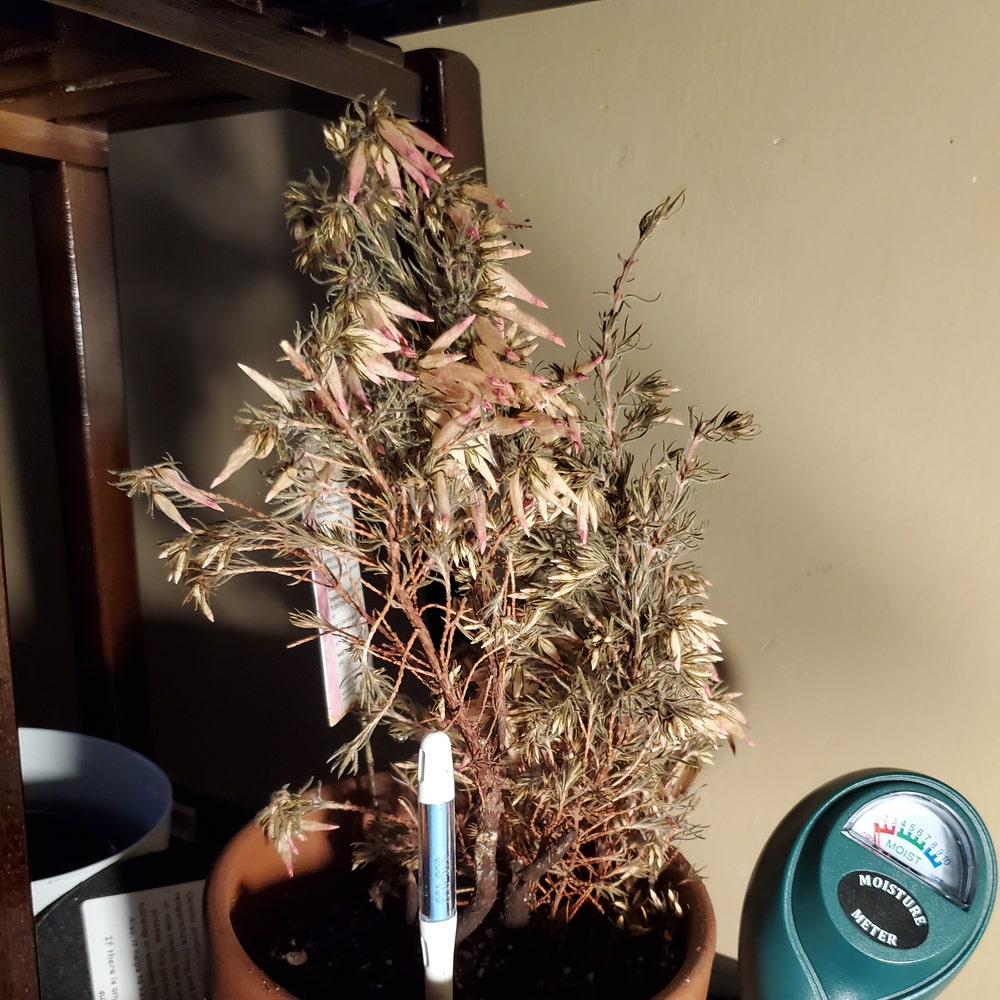
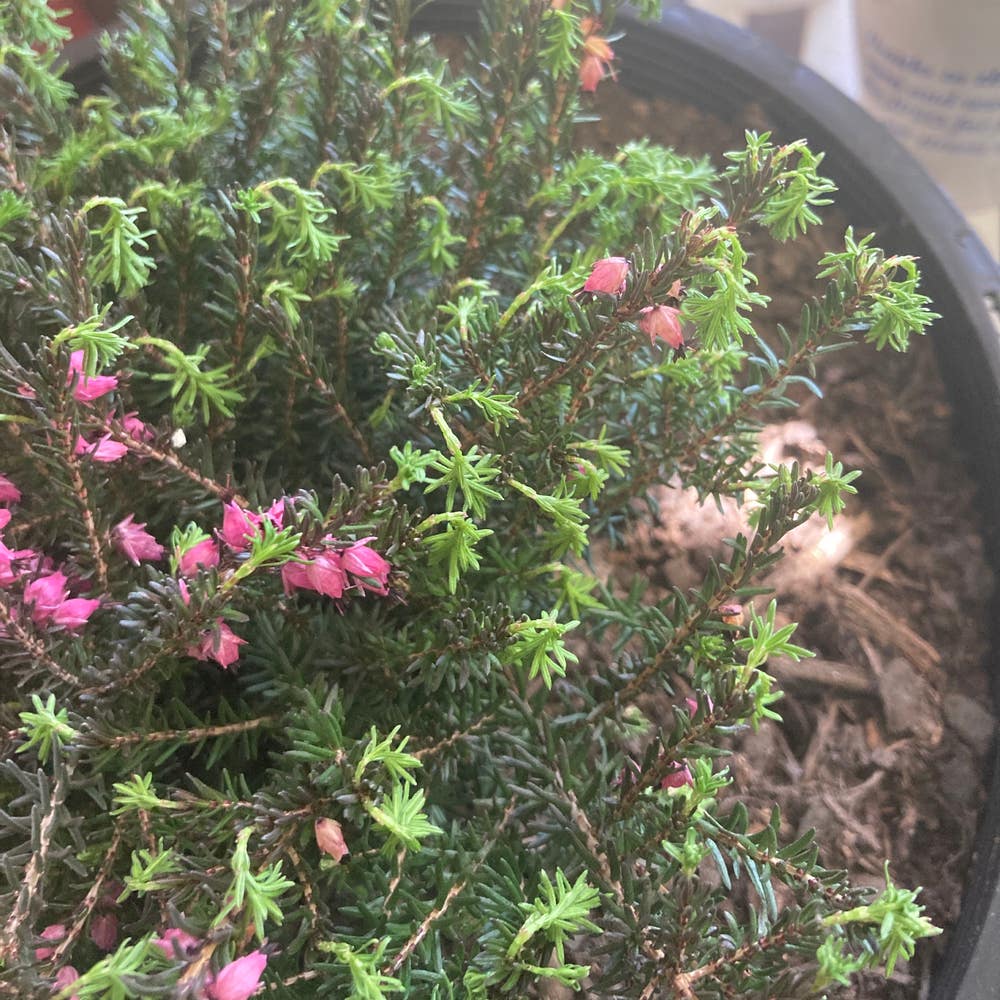
🌸 Understanding Turkish Heath: The Basics
Erica manipuliflora
By the Greg Editorial Team
Feb 02, 2025•13 min read
This article was created with the help of AI so we can cover more plants for you. May contain errors. See one? Report it here.
Elevate your garden with Turkish Heath's stunning blooms and resilience, perfect for every plant enthusiast! 🌿
- 🌞 Turkish Heath needs 6+ hours of sunlight for optimal growth and health.
- 🌱 Acidic, well-drained soil is essential; aim for pH 4.5 to 6.0.
- 🐝 Attracts pollinators and is drought-tolerant, perfect for low-maintenance gardens!
How to Grow
Choosing a Location 🌞
To thrive, Turkish Heath needs full sun to partial shade, ideally receiving a minimum of six hours of sunlight daily. When deciding between outdoor and container growing, consider the space available and the plant's light requirements.
Soil Preparation 🌱
Turkish Heath prefers acidic, well-drained soils with a pH between 4.5 and 6.0. To enhance drainage, incorporate organic matter like peat moss into the soil.
Planting Techniques 🌿
When planting, ensure the root ball is level with the soil surface to promote healthy growth. For outdoor planting, space the plants 18 to 24 inches apart to allow for adequate air circulation.
Watering Requirements 💧
After planting, give your Turkish Heath a deep watering to help establish roots. Moving forward, allow the soil to dry slightly between waterings to prevent waterlogging.
Fertilizing Schedule 🌼
Feed your plants lightly in early spring with an acid-loving fertilizer to support growth. A balanced NPK ratio of 10-10-10 or similar works well for these plants.
Pruning Methods ✂️
Prune your Turkish Heath after flowering to maintain its shape and encourage new growth. Focus on removing dead or damaged branches and spent flowers to keep the plant healthy.
Ongoing Care 🪴
For container-grown plants, ensure pots have drainage holes and monitor moisture levels closely. If your Turkish Heath is outdoors, apply mulch to retain moisture and suppress weeds, creating a thriving environment.
With these growing tips, you're well on your way to cultivating a beautiful Turkish Heath. Next, let’s explore how to propagate this resilient plant for even more greenery in your garden.
Propagation
🌱 Methods
Propagation of Turkish Heath can be achieved through two primary methods: seeds and cuttings. Both methods are effective, but they require different approaches to ensure successful growth.
🌾 Seeds
Collect seeds in late summer or early fall and sow them in spring. This method is straightforward and allows for a larger number of plants to be grown at once.
✂️ Cuttings
For a more immediate result, take 4-6 inch cuttings from healthy plants. This method is ideal for replicating specific traits from existing plants.
📋 Step-by-Step Instructions
🌱 Seeds
- Soak Seeds: Start by soaking seeds in water for 24 hours before sowing. This helps to soften the seed coat and encourages germination.
- Sow Seeds: Place the seeds on the surface of moist soil, lightly covering them with a thin layer of soil.
- Germination Time: Expect germination to occur within 2-4 weeks at a temperature range of 65-70°F (18-21°C).
✂️ Cuttings
- Prepare Cuttings: Dip the cut ends of the cuttings in rooting hormone to promote root development.
- Planting Medium: Insert the cuttings into a well-draining medium, such as a mix of perlite and peat.
- Humidity Maintenance: Cover the cuttings with a plastic cover to maintain humidity until roots develop, which typically takes 2-3 weeks.
By following these steps, you can successfully propagate Turkish Heath and enjoy its beauty in your garden. Next, let’s explore the lifecycle of this resilient plant and understand its growth stages.
Lifecycle
Stages of Growth 🌱
The lifecycle of Turkish Heath begins with germination, where seeds sprout within 2-4 weeks. Following this, the seedling stage develops true leaves in about 4-6 weeks, marking the plant's initial growth.
Vegetative Growth 🌿
Next comes the vegetative growth phase, a period of rapid growth that lasts several months. During this time, the plant establishes a strong foundation, preparing for the next exciting stage.
Flowering and Seed Production 🌸
Flowering typically occurs in late spring to early summer, showcasing the plant's vibrant blooms. After flowering, seed production takes place, allowing the cycle to continue as new seeds develop.
Lifespan and Growth Rate ⏳
In optimal conditions, Turkish Heath has a lifespan of 5-10 years. Its growth rate is moderate, with the plant reaching maturity in about 2-3 years, making it a rewarding addition to any garden.
Timeframe to Maturity ⏰
Expect the plant to take approximately 2-3 years to fully establish itself. This timeframe allows for robust growth and ensures that the plant can thrive in its environment.
Understanding the lifecycle of Turkish Heath not only enhances your gardening skills but also deepens your appreciation for this resilient plant. Next, let’s explore the size characteristics of Turkish Heath and how they can fit into your garden design.
Size
Mature Dimensions 🌱
Turkish Heath typically reaches a height of 1-3 feet (30-90 cm) and spreads about 2-3 feet (60-90 cm). This compact size makes it an excellent choice for various garden settings.
Growth Rate and Variability 📈
The growth rate of Turkish Heath is moderate, influenced by environmental conditions. Factors such as soil quality, sunlight, and water availability can lead to variability in size.
Factors Affecting Size ⚖️
Soil quality plays a crucial role in determining the size of your Turkish Heath. Nutrient-rich soils promote larger growth, while poor soil can stunt its development.
Sunlight exposure is another key factor. More sunlight generally leads to denser and healthier growth, enhancing the plant's overall appearance.
In summary, understanding the size and growth characteristics of Turkish Heath can help you create a thriving garden. With the right conditions, this plant can flourish beautifully, adding charm to your landscape.
Next, let’s explore the roots of Turkish Heath and their significance in plant health and stability.
Roots
Characteristics 🌱
Turkish heath features a fibrous root system that is essential for its growth. Typically, the roots are shallow, extending only 12-18 inches deep, but they spread laterally to provide stability and support.
Common Issues ⚠️
One of the most common problems is root rot, which occurs due to overwatering. To prevent this, ensure proper drainage in your planting medium.
Identifying healthy roots is crucial for plant health. Healthy roots are firm and white, while unhealthy roots appear brown and mushy, indicating potential issues.
Rootbound Conditions 🔗
Rootbound conditions arise when roots circle the pot, restricting the plant's growth. Signs of this issue include stunted growth and water pooling on the surface of the soil.
To remedy rootbound conditions, consider repotting the plant into a larger container. Alternatively, you can prune the roots to encourage healthier growth and expansion.
Understanding the root system of Turkish heath is vital for ensuring its longevity and vitality. With the right care, your plant will thrive beautifully.
Benefits
Top 5 Benefits 🌟
1. Drought Tolerance
Turkish heath is a champion when it comes to drought resistance. Once established, it requires significantly less water, making it perfect for low-maintenance gardens.
2. Attractive Foliage
This plant offers stunning greenery year-round, with beautiful blooms that add color to your landscape. Its visual appeal can enhance any garden aesthetic.
3. Wildlife-Friendly
Turkish heath is a magnet for pollinators like bees and butterflies. By planting it, you're not just beautifying your space; you're also supporting local wildlife.
4. Erosion Control
With its fibrous root system, Turkish heath helps stabilize soil, making it an excellent choice for preventing erosion in gardens. This benefit is particularly valuable on slopes or loose soil areas.
5. Cultural Significance
Beyond its beauty, Turkish heath has a rich history in traditional medicine and landscape design. Incorporating it into your garden connects you to cultural practices that have stood the test of time.
These benefits make Turkish heath a fantastic addition to any garden, whether you're a seasoned gardener or just starting out. Its resilience and charm can transform your outdoor space into a thriving ecosystem.
Next, let’s explore how to propagate this remarkable plant and ensure its growth in your garden.
Companion Plants
Companion planting is a fantastic way to enhance your garden's diversity while promoting healthy growth. By strategically pairing plants, you can improve pest management and create beneficial symbiotic relationships.
Best Companions 🌼
Lavender: This fragrant herb shares similar care needs with Turkish Heath and attracts beneficial insects like bees and butterflies.
Rosemary: Known for its drought tolerance, rosemary not only thrives alongside Turkish Heath but also helps repel harmful pests.
Ferns: These lush plants provide visual contrast and flourish in similar conditions, making them excellent companions.
Plants to Avoid 🚫
When planning your garden, steer clear of heavy feeders like tomatoes. These plants can compete for nutrients, potentially stunting the growth of your Turkish Heath.
By choosing the right companions, you can create a thriving garden ecosystem. This thoughtful approach not only enhances the beauty of your space but also supports the health of your plants. Ready to explore more about Turkish Heath? Let’s dive into its toxicity levels next!
Toxicity to Humans
Safety 🛡️
Turkish heath is not listed as toxic by major poison control centers, making it a safe choice for gardens. However, it's wise to be cautious; consuming large quantities may lead to mild skin irritation or digestive discomfort.
Caution ⚠️
Always exercise caution with any plant. If you experience unusual symptoms after contact or consumption, consult a medical professional for guidance.
This knowledge empowers you to enjoy your gardening experience while keeping safety in mind. Now, let’s explore how Turkish heath interacts with our furry friends!
Toxicity to Dogs
Safety 🐶
Turkish heath is not listed as toxic by major pet poison control centers, making it a safe choice for dog owners. However, if your furry friend indulges a bit too much, they might experience mild gastrointestinal upset.
Monitoring Behavior 👀
To keep your dog safe, consider the plant's placement in your garden. Monitor their behavior around the plant to ensure they don’t munch on it excessively.
Conclusion 📝
With proper care and attention, you can enjoy the beauty of Turkish heath without worrying about your dog's health. Next, let’s explore how this plant interacts with our feline friends.
Toxicity to Cats
Safety 🐾
Turkish Heath is not listed as toxic by major pet poison control centers, making it a safer choice for cat owners. However, if consumed in large quantities, it may cause mild gastrointestinal upset.
Monitoring and Placement 👀
To ensure your feline friend stays safe, place the plant in an area that's less accessible to curious paws. Always keep an eye on your cat's behavior around the plant, especially if they seem particularly interested in it.
Conclusion 📝
While Turkish Heath poses minimal risk to cats, it's wise to exercise caution. By being mindful of placement and monitoring your pet, you can enjoy the beauty of this plant without worry.
Next, let’s explore the common problems that can arise when growing Turkish Heath.
Problems
Common Issues 🌱
Maintaining healthy Turkish Heath plants can be a rewarding experience, but several common issues may arise. Understanding these problems is key to ensuring your plants thrive.
Incorrect Watering 🚰
Watering is crucial for plant health. Signs of underwatering include wilting leaves, while yellowing leaves often indicate overwatering.
Incorrect Light Conditions ☀️
Light exposure plays a significant role in growth. Leaf scorch can occur with too much sun, while insufficient light leads to leggy growth.
Incorrect Temperature 🌡️
Temperature fluctuations can harm your plants. Cold damage is a risk in frost-prone areas, so be mindful of local climate conditions.
Diseases 🦠
Diseases like powdery mildew and rust can affect your Turkish Heath. Good air circulation is essential for prevention, so ensure your plants are spaced appropriately.
Leaf Issues 🍃
Leaf problems can signal underlying issues. Yellowing or fuzzy growth may indicate nutrient deficiencies or pest infestations, requiring immediate attention.
By recognizing these common issues early, you can take proactive steps to maintain the health and beauty of your Turkish Heath plants. Next, let’s explore the potential pest problems that can affect your garden.
Bugs
Potential Pest Issues 🐜
When growing Turkish Heath, be on the lookout for common pests that can wreak havoc on your plants.
Spider Mites: These tiny pests create fine webbing on leaves and cause stippling, which can lead to leaf drop if not addressed.
Scale Insects: Look for sticky residue on leaves, which indicates scale presence. They can cause yellowing leaves and stunted growth.
Mealybugs: Recognizable by their cotton-like masses on stems and leaves, mealybugs can sap the plant's vitality.
Identification and Damage 🔍
Identifying these pests early is crucial for effective management.
Spider Mites: They are often too small to see without a magnifying glass but leave behind webbing and a stippled appearance on leaves.
Scale Insects: These pests appear as small, raised bumps on stems and leaves, often covered in a waxy shell. The sticky residue they leave can attract other pests.
Mealybugs: These are soft-bodied insects that look like small white cotton balls. They can cause significant damage by sucking sap from the plant.
Treatment Options 💊
Managing pest issues can be straightforward with the right approach.
Organic Control: Introduce beneficial insects like ladybugs or use insecticidal soap to target pests without harming your plants. Neem oil is also effective against spider mites and mealybugs.
Chemical Control: If the infestation is severe, consider using a targeted pesticide. Always follow the manufacturer's instructions to ensure safe application.
Regular monitoring and prompt action can keep your Turkish Heath thriving and pest-free. With a little diligence, you can enjoy the beauty of this plant without the worry of unwanted guests.
Next, let’s explore what animals might be munching on your Turkish Heath and how to deter them effectively.
What Eats
🦌 Common Animals
When it comes to Turkish Heath, several common garden visitors may take a liking to your plants.
- Deer: These graceful creatures often leave signs of their presence by browsing on leaves and stems, particularly in the early morning or late evening.
- Rabbits: If you notice evidence of nibbling on the lower foliage, it’s likely a hungry rabbit has made your garden its buffet.
- Squirrels: These energetic critters may dig around the base of the plant, searching for tasty roots or bulbs.
⚠️ Signs of Damage
Identifying the damage caused by these animals can help you take action quickly.
- Deer: Look for jagged edges on leaves and stripped stems, which indicate they’ve been munching away.
- Rabbits: You’ll often see clean cuts on the foliage, as they tend to chew through plants rather than tear them.
- Squirrels: Their digging can disturb the soil and uproot young plants, leaving a mess around the base.
🚫 Deterrent Methods
Protecting your Turkish Heath from these hungry visitors is essential for its health and growth.
- Chemical Methods: Consider using commercial repellents designed to deter deer and rabbits. These often contain scents that animals find unappealing.
- Organic Methods: Planting strong-smelling herbs like lavender or using homemade sprays with garlic or hot pepper can naturally keep these pests at bay.
By understanding what eats your Turkish Heath and how to deter them, you can create a thriving garden that remains safe from hungry wildlife. Next, let’s explore the potential pest issues that can affect your plants.
⚠️ Safety First
This content is for general information and may contain errors, omissions, or outdated details. It is not medical, veterinary advice, or an endorsement of therapeutic claims.
Always consult a qualified healthcare professional before using any plant as food, medicine, or supplement.
Never eat any plant (or feed one to pets) without confirming its identity with at least two trusted sources.
If you suspect poisoning, call Poison Control (800) 222-1222, the Pet Poison Helpline (800) 213-6680, or your local emergency service immediately.
Spotted an error? Please report it here.
Nurture your Turkish Heath to bloom beautifully 🌸 by using Greg's tailored watering alerts and expert care tips to keep your garden thriving!