10 Perfect Spots to Grow Acalypha chamaedrifolia
Acalypha chamaedrifolia
By the Greg Editorial Team
Jul 23, 2024•4 min read
This article was created with the help of AI so we can cover more plants for you. May contain errors. See one? Report it here.
Nurture your Acalypha chamaedrifolia to lush perfection with our sun-shade harmony guide! 🌿☀️
- ☀️🌿 Bright, direct sunlight with some shade is ideal for Acalypha chamaedrifolia.
- 🌱 Rich, well-draining soil ensures healthy growth; adjust with perlite or sand.
- 🏡💨 Consider microclimates and windbreaks when choosing a location for planting.
Sunlight and Shade
Assessing Sunlight
To gauge the right sun exposure for Acalypha chamaedrifolia, consider using a light meter for precision. This tool will help you determine if your plant is soaking up the ideal amount of light, whether indoors or out.
Ideal Sun Exposure ☀️
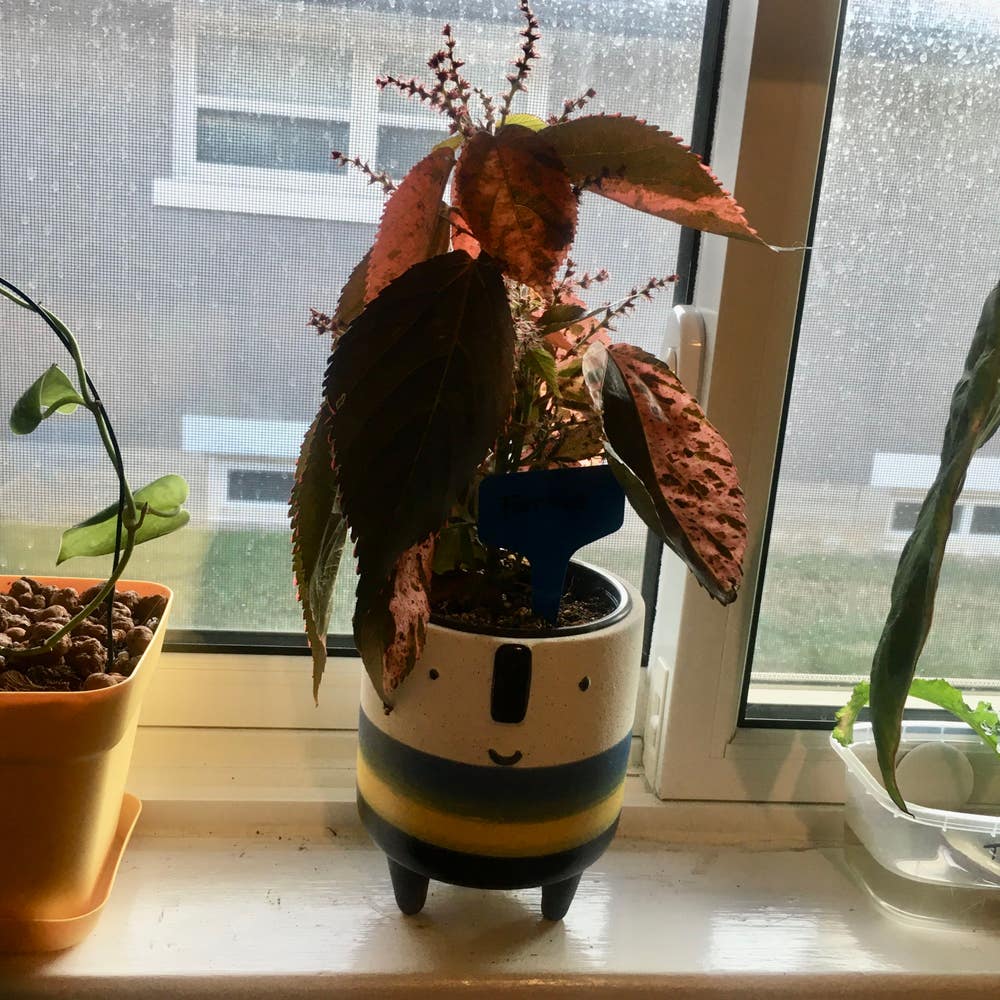
Acalypha chamaedrifolia flourishes in abundant, bright, and direct light. For indoor plants, positioning them less than one foot from a window often meets their needs. Outdoors, they thrive in USDA Hardiness Zones 9a-11b, where sunlight intensity aligns with their preferences.
Shade Tolerance 🌿
While Acalypha chamaedrifolia basks in bright light, it's not immune to overexposure. Watch for signs of stress like leaf burn, which appears as crispy, brown patches. If you notice such symptoms, provide some shade, especially during peak sun hours. Here's how to balance sun and shade:
- Use natural shade from trees or taller plants to create a protective canopy.
- Employ artificial structures like pergolas or shade cloth to shield from intense sunlight.
- Rotate the plant regularly to ensure even light distribution and prevent overexposure.
- Adjust watering accordingly; more hydration for sun-drenched plants, less for those in the shade.
Soil and Drainage
🌱 Soil Preferences
Acalypha chamaedrifolia isn't fussy about soil types; it can flourish in sandy, loamy, or even clay soils. However, the key to a thriving plant lies in the soil's drainage capabilities.
- The ideal soil for Acalypha chamaedrifolia is organically rich and quick-draining.
- It should be a balanced mix that avoids waterlogging, accommodating both acidic and alkaline pH levels.
- To enhance growth, consider a soil blend that integrates organic matter such as compost or coco coir.
🔄 Improving Drainage
Ensuring your Acalypha chamaedrifolia doesn't get waterlogged is crucial for its health. Here are some strategies to optimize soil drainage:
- Mix in amendments like perlite, vermiculite, or sand to increase soil porosity.
- Consider raised beds or mounds to elevate the root zone above any potential water accumulation.
- For potted plants, always use containers with adequate drainage holes, or add a layer of gravel at the bottom to facilitate water flow.
If you're unsure about your soil's drainage, perform a simple test: Dig a hole, fill it with water, and observe how quickly it drains. Ideally, the water level should decrease at about 1 inch per hour. Adjust your soil accordingly if it drains too quickly or too slowly.
Microclimates and Protection
🌱 Recognizing Microclimates
Microclimates are the unique little pockets within your garden where conditions differ from the surrounding area. These can be warmer, cooler, or have different humidity levels, all of which can significantly affect the growth of Acalypha chamaedrifolia.
- Observe areas near walls that may receive reflected heat and light, potentially creating a warmer zone.
- Notice spots that are shaded by larger plants or structures, which may be cooler or have reduced light.
- Pay attention to dips in the landscape where cold air might settle, or elevated areas that could be drier and warmer.
💨 Wind and Structure Proximity
The right amount of wind can be refreshing for Acalypha chamaedrifolia, but too much might spell trouble. Structures can serve as shields, protecting your plants from harsh winds that could dehydrate or physically harm them.
- Place Acalypha chamaedrifolia on the leeward side of buildings or fences to reduce wind exposure.
- Consider the use of trellises or shrubs as windbreaks for more exposed areas.
- Be mindful of creating too much shelter, which can limit air circulation and increase the risk of fungal diseases like powdery mildew.
Location Recommendations
🌿 Garden Beds and Borders
Garden beds and borders offer a fantastic canvas for the vibrant Acalypha chamaedrifolia. Here's how to make the most of these spaces:
- Ensure the area receives ample sunlight as Acalypha chamaedrifolia thrives in bright conditions.
- Prepare the soil by incorporating organic matter and ensuring it is well-draining to prevent root rot.
🌺 Containers and Pots
Containers and pots provide flexibility and style for showcasing Acalypha chamaedrifolia. Keep these pointers in mind:
- Choose containers with drainage holes to avoid waterlogged soil.
- Select a sizeable pot to accommodate growth and prevent overcrowding.
🏠 Indoor and Patio Spaces
Indoor and patio spaces can be ideal for Acalypha chamaedrifolia with the right conditions:
- Position the plant near a window where it can bask in bright, indirect light.
- Maintain a consistent indoor temperature and consider a humidifier to replicate the plant's preferred tropical conditions.
🌳 Landscaping with Trees
Trees can create a beneficial microclimate for Acalypha chamaedrifolia:
- Plant Acalypha chamaedrifolia in the dappled shade of trees to protect it from harsh midday sun.
- Use the natural windbreak of trees to shield your Acalypha chamaedrifolia from strong winds.
⚠️ Safety First
This content is for general information and may contain errors, omissions, or outdated details. It is not medical, veterinary advice, or an endorsement of therapeutic claims.
Always consult a qualified healthcare professional before using any plant as food, medicine, or supplement.
Never eat any plant (or feed one to pets) without confirming its identity with at least two trusted sources.
If you suspect poisoning, call Poison Control (800) 222-1222, the Pet Poison Helpline (800) 213-6680, or your local emergency service immediately.
Spotted an error? Please report it here.
Grow your Acalypha chamaedrifolia to perfection by using Greg to monitor 🌞 sunlight exposure and get custom care reminders for each of your plant's needs!