🐛 What's Eating Your Vriesea
Vriesea maxoniana
By the Greg Editorial Team
Sep 30, 2024•7 min read
This article was created with the help of AI so we can cover more plants for you. May contain errors. See one? Report it here.
- 🌺 Vriesea plants attract herbivores like deer and rabbits due to their vibrant flowers.
- 🦌 Effective deterrents include repellents, fencing, and companion planting to protect Vriesea.
- 🐝 Encouraging beneficial insects helps maintain a balanced ecosystem for Vriesea health.
Description and Appeal
Appearance 🌺
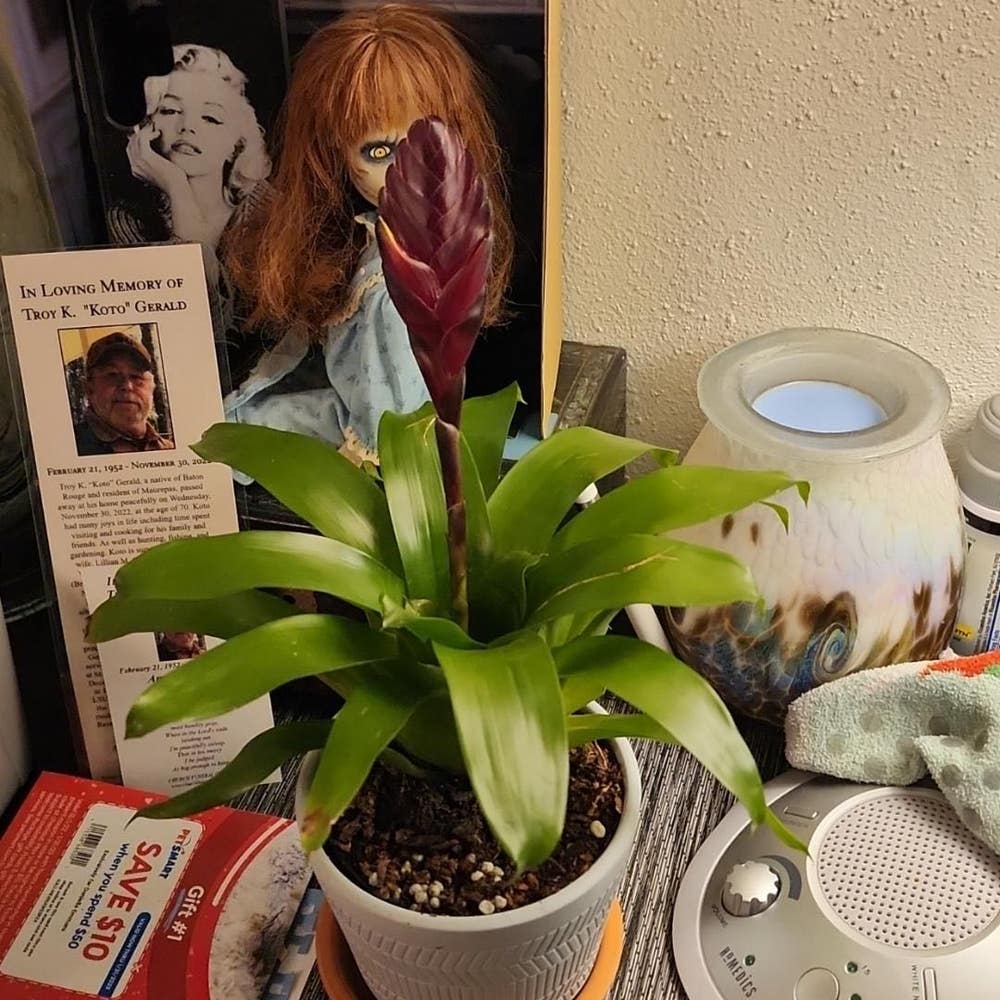
Vriesea plants are a visual delight, showcasing a striking rosette shape with broad, leathery leaves. Their vibrant inflorescences burst forth in shades of red, yellow, or orange, creating a stunning focal point in any garden.
Typically, these plants grow in clusters, resulting in a lush and vibrant appearance that can transform a dull space into a tropical paradise. Their unique structure and colors make them a favorite among plant enthusiasts.
Most Appealing Parts to Animals 🐾
The flowers of Vriesea are particularly alluring, with their bright colors and sweet nectar that attract both pollinators and herbivores. This makes them a hotspot for various animals seeking nourishment.
Fruits from these plants are sweet and juicy, drawing in a range of creatures eager for a tasty treat. Additionally, the young shoots are tender and nutritious, often targeted by herbivores looking for a quick meal.
Understanding these appealing features can help you appreciate the delicate balance between beauty and vulnerability in your garden. As we explore the common herbivores that might be drawn to your Vriesea, you'll gain insights into protecting these stunning plants.
Common Herbivores
🦌 Deer
Signs of Presence and Damage
Deer are often easy to spot in your garden. Look for hoof prints in the soil and ragged edges on leaves, indicating they've been browsing.
Beneficial vs. Harmful Interactions
While deer may seem harmless, they can severely damage or even kill young plants. Their appetite for fresh growth makes them a significant threat.
Deterrent Methods (difficulty: moderate)
To keep deer at bay, consider using commercial deer repellents. Alternatively, planting deer-resistant species nearby or using human hair and soap shavings can also deter them.
🐇 Rabbits
Signs of Presence and Damage
Rabbits leave small, rounded footprints and often create clean cuts on leaves and stems. Their damage typically occurs at ground level, making it easy to identify.
Beneficial vs. Harmful Interactions
Rabbits can decimate young plants, making them a harmful presence in your garden. Their insatiable hunger for tender shoots poses a real risk.
Deterrent Methods (difficulty: easy)
Bitter-tasting sprays can effectively deter rabbits. Additionally, erecting a fence 2-3 feet high or using cayenne pepper as a repellent can help protect your plants.
🐿️ Squirrels
Signs of Presence and Damage
Squirrels leave signs like scratching on the ground and nests in nearby trees. They often gnaw on stems and flowers, causing noticeable damage.
Beneficial vs. Harmful Interactions
Generally, squirrels are harmful as they can disrupt flower development. Their nibbling can lead to stunted growth and fewer blooms.
Deterrent Methods (difficulty: moderate)
Commercial squirrel repellents can be effective. You might also try scare tactics like reflective tape or noise makers to keep them away.
🐦 Birds
Signs of Presence and Damage
Birds can be identified by feathered droppings and peck marks on flowers. They often feed on nectar and soft parts of the plant, which can lead to damage.
Beneficial vs. Harmful Interactions
While birds can cause some harm, they are generally beneficial. They aid in pollination and seed dispersal, contributing positively to your garden's ecosystem.
Deterrent Methods (difficulty: easy)
Non-toxic bird repellents can help manage their presence. Using netting or reflective objects can also deter feeding without harming the birds.
🐭 Rodents (Mice, Voles, etc.)
Signs of Presence and Damage
Rodents leave small holes in the ground and droppings near the plant. Their gnawing on roots and stems can be particularly damaging.
Beneficial vs. Harmful Interactions
Rodents are generally harmful, as they can weaken or kill plants. Their destructive habits can lead to significant losses in your garden.
Deterrent Methods (difficulty: hard)
Consider using rodent bait stations for chemical deterrents. Organic methods include traps and planting mint or other deterrent plants nearby.
🦡 Groundhogs/Woodchucks
Signs of Presence and Damage
Look for large burrows and droppings around your garden to identify groundhogs. They cause extensive chewing on leaves and stems, leading to severe damage.
Beneficial vs. Harmful Interactions
Groundhogs are generally harmful, as they can cause significant plant loss. Their voracious appetite can quickly decimate your garden.
Deterrent Methods (difficulty: hard)
Commercial repellents can help deter groundhogs. Additionally, fencing at least 3 feet high and buried 1 foot underground can provide effective protection.
Understanding these common herbivores and their interactions with your Vriesea is crucial for maintaining a healthy garden. Next, we’ll explore the beneficial animals that can enhance your ecosystem.
Beneficial Animals
🐝 Description of Beneficial Animals
Beneficial animals play a crucial role in the health of your Vriesea plants. Pollinators like bees and butterflies are drawn to the vibrant flowers, ensuring that your plants thrive.
Predatory insects, such as ladybugs and lacewings, help control pest populations. They keep harmful insects in check, allowing your Vriesea to flourish without excessive chemical intervention.
🌍 Positive Impacts on the Ecosystem
The presence of these beneficial animals leads to significant ecological benefits. Pollination by bees and butterflies results in fruit and seed production, which is essential for plant reproduction.
Additionally, predatory insects contribute to natural pest control. By managing pest populations, they create a balanced ecosystem where your Vriesea can thrive without the threat of overpopulation from harmful insects.
Incorporating these beneficial animals into your garden not only enhances the beauty of your space but also supports a healthy ecosystem. Understanding their roles can help you create an inviting environment for these allies.
As we explore further, let’s look at effective protection strategies to safeguard your Vriesea from potential threats while nurturing these beneficial relationships.
Protection Strategies
🛡️ Preventive Measures
To keep your Vriesea safe from hungry herbivores, consider planting companion plants that naturally deter them. These plants can create a protective barrier, making your garden less appealing to pests.
Using physical barriers like fencing or netting is another effective strategy. A well-placed fence can keep larger animals at bay, while netting protects delicate flowers from birds and smaller critters.
⚠️ Reactive Solutions
Regular monitoring is key to catching any signs of damage early. Keep an eye out for nibbling or discoloration, and act quickly if you notice any issues.
Once you spot herbivore activity, apply deterrents immediately. Whether you choose chemical repellents or organic solutions, timely action can save your plants from further harm.
🌱 Balancing Ecosystem Health
Encouraging beneficial insects is crucial for a thriving garden. Pollinators like bees and butterflies can enhance your Vriesea's growth while predatory insects help control harmful pests.
Understanding the role of each animal in the ecosystem is essential. By fostering a balanced environment, you can deter harmful herbivores while supporting the beneficial ones that contribute to your garden's health.
As you implement these strategies, remember that a little vigilance goes a long way in maintaining the beauty and vitality of your Vriesea.
Seasonal Considerations
Variations in Animal Attraction 🐇
As the seasons change, so does the activity of various herbivores around your Vriesea. In spring, rabbits and deer become particularly active, drawn to the fresh growth that emerges after winter.
By summer, the vibrant flowers and fruits of the Vriesea attract birds, who come to feast on the nectar and seeds. This seasonal shift highlights the dynamic relationship between plants and animals.
Timing of Vulnerability ⏰
Young shoots are at their most vulnerable during early spring. This is when herbivores are on the lookout for tender, nutritious foliage to munch on.
Additionally, the flowering periods can draw in more herbivores, eager to enjoy the sweet nectar. Understanding these timings can help you protect your plants more effectively.
By being aware of these seasonal patterns, you can better prepare for the challenges that come with each phase of growth. This proactive approach ensures your Vriesea thrives despite the hungry visitors.
Toxicity and Safety
Toxic Effects 🐍
Some Vriesea species possess mild toxicity, which can deter certain herbivores. However, this toxicity may not affect all animals, potentially attracting those that are less sensitive.
Managing Interactions 🦙
Understanding which animals are repelled or drawn to these toxic plants is crucial. By recognizing the toxicity levels of specific Vriesea species, you can effectively manage interactions and protect your plants from unwanted visitors.
This knowledge empowers you to create a thriving garden ecosystem while minimizing damage from herbivores. As you navigate these dynamics, consider how each species interacts with your Vriesea, ensuring a balanced approach to plant care.
⚠️ Safety First
This content is for general information and may contain errors, omissions, or outdated details. It is not medical, veterinary advice, or an endorsement of therapeutic claims.
Always consult a qualified healthcare professional before using any plant as food, medicine, or supplement.
Never eat any plant (or feed one to pets) without confirming its identity with at least two trusted sources.
If you suspect poisoning, call Poison Control (800) 222-1222, the Pet Poison Helpline (800) 213-6680, or your local emergency service immediately.
Spotted an error? Please report it here.
Protect your vibrant Vriesea plants from hungry herbivores with Greg's tailored care tips and reminders, ensuring they thrive beautifully in your garden! 🌼