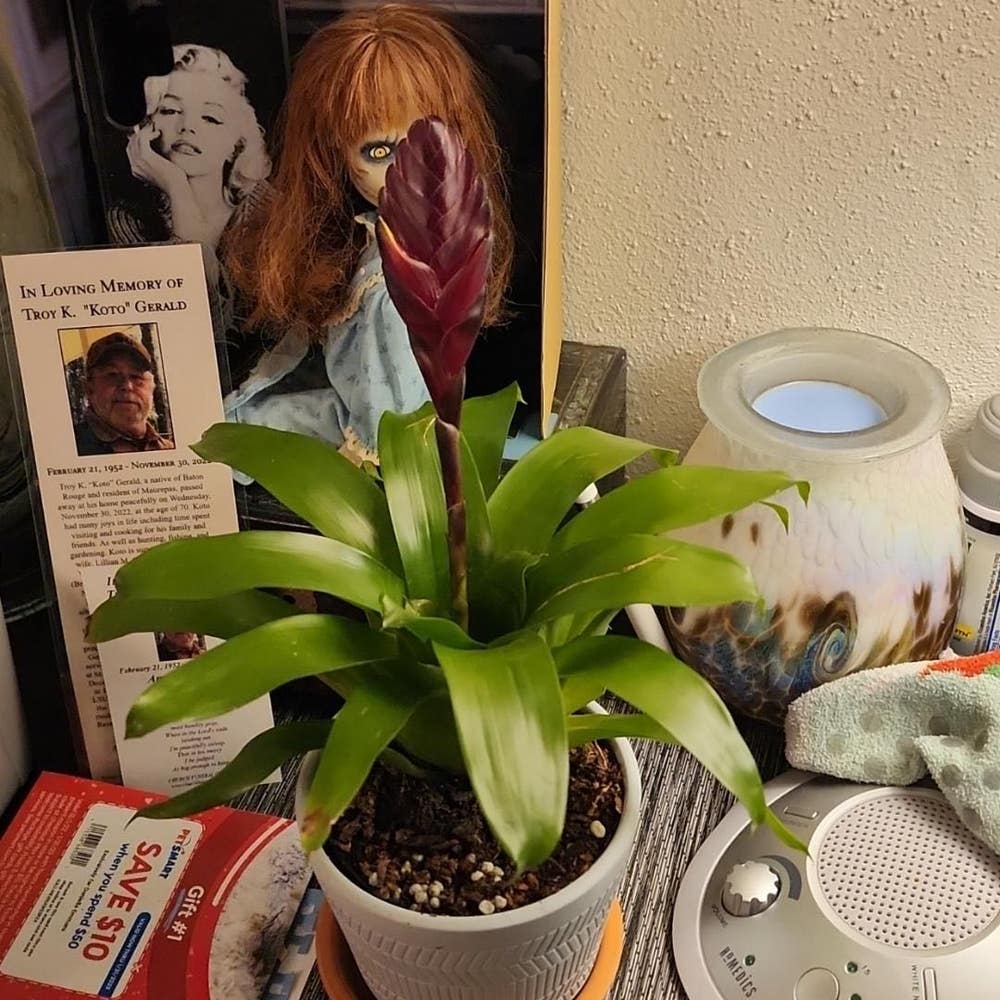
🌸 5 Quick Fixes for Vriesea Bloom Problems
Vriesea maxoniana
By the Greg Editorial Team
Sep 30, 2024•5 min read
This article was created with the help of AI so we can cover more plants for you. May contain errors. See one? Report it here.
- 🌞 Bright, filtered light is essential for Vriesea blooms; adjust exposure for better results.
- 💧 Watering correctly prevents stress; check soil moisture before watering.
- 🌱 Balanced fertilization every 4-6 weeks supports vibrant flower development in Vriesea.
Failure to Bloom
🌞 Causes of Failure to Bloom
Insufficient Light
Vriesea plants thrive in bright, filtered light. Without adequate light, they struggle to produce blooms.
Improper Watering
Both overwatering and underwatering can stress your Vriesea. This stress inhibits its ability to flower, leading to disappointment.
Nutrient Deficiencies
A lack of essential nutrients can significantly hinder the bloom cycle. Nutrient deficiencies often manifest as poor flower production.
🌼 Solutions for Blooming Issues
Adjusting Light Exposure
To encourage blooming, move your Vriesea to a spot with more indirect sunlight. This adjustment can make a world of difference.
Optimizing Watering Schedule
Water your plant when the top inch of soil feels dry. Ensure proper drainage to prevent root issues that can affect blooming.
Fertilization Tips
Using a balanced fertilizer during the growing season supports flower development. Regular feeding can help your Vriesea reach its blooming potential.
By addressing these common issues, you can help your Vriesea flourish and produce beautiful blooms. Next, let’s explore the causes and solutions for premature flower drop.
Premature Flower Drop
🌪️ Causes of Premature Flower Drop
Premature flower drop in Vriesea can be frustrating. One common culprit is environmental stress, where sudden changes in temperature or humidity create an unstable environment for the plant.
Another significant factor is overwatering. Excess moisture can lead to root rot, which often results in flowers dropping before they fully develop.
Lastly, pest infestations can weaken the plant. Pests like mealybugs sap energy from the plant, leading to bud drop and diminished blooms.
🛠️ Solutions for Preventing Flower Drop
To combat premature flower drop, start by identifying stress factors. Regularly monitor environmental conditions and make adjustments as necessary to create a stable atmosphere.
Next, focus on proper watering techniques. Ensure your pot has drainage holes and avoid letting the plant sit in water, as this can exacerbate moisture issues.
Finally, implement a pest management strategy. Regularly inspect your Vriesea for pests and treat any infestations promptly with insecticidal soap or neem oil.
By addressing these factors, you can help your Vriesea thrive and enjoy a more vibrant bloom. Transitioning to the next topic, let’s explore the environmental factors that affect blooming.
Abnormal Flower Development
🌱 Causes of Abnormal Flower Development
Abnormal flower development in Vriesea can stem from several factors. Genetic issues may be at play, where some plants inherit traits that compromise bloom quality.
Inadequate light is another culprit. When Vriesea doesn’t receive enough light, it can produce weak or malformed flowers. Additionally, a nutrient imbalance—whether from excess or deficiency—can disrupt normal flower formation, leading to disappointing blooms.
🌼 Solutions for Healthy Flower Development
To encourage healthy flower development, start by selecting robust plants from reputable sources. This ensures you’re working with specimens that have a better chance of thriving.
Next, focus on adjusting light and nutrition. Providing adequate light and a balanced fertilization regimen will support strong, vibrant blooms. Regularly assess your plant's needs to keep it flourishing and blooming beautifully.
With these strategies, you can enhance the chances of your Vriesea producing stunning flowers. Now, let’s explore how environmental factors play a crucial role in blooming success.
Environmental Factors Affecting Blooming
Light Requirements 🌞
Light is essential for flowering. It fuels photosynthesis, which keeps your Vriesea healthy and vibrant.
For optimal growth, provide bright, indirect sunlight. Direct sun can scorch the leaves, so be mindful of where you place your plant.
Humidity and Temperature 🌡️
Humidity plays a crucial role in your Vriesea's health. Aim to maintain humidity levels between 50-70% for the best results.
Temperature is equally important. Keep your plant in an environment where daytime temperatures range from 20°C to 30°C (68°F to 86°F) to encourage blooming.
Ensuring the right light, humidity, and temperature creates a thriving environment for your Vriesea. This foundation supports healthy blooms and overall plant vitality.
Nutritional Needs
🌱 Fertilization Techniques
To keep your Vriesea thriving, choosing the right fertilizer is essential. A balanced liquid fertilizer or slow-release granules works wonders for promoting healthy growth and vibrant blooms.
Timing is just as crucial as the type of fertilizer. Fertilize every 4-6 weeks during the growing season to give your plant the nutrients it craves. As winter approaches, reduce the frequency to allow your Vriesea to rest.
⚠️ Nutrient Deficiencies
Watch for signs of nutrient deficiencies that can impact your blooms. Yellowing leaves, stunted growth, and poor flower quality are all red flags indicating your plant may need a nutritional boost.
To amend the soil and improve nutrition, consider incorporating organic matter or specific fertilizers tailored to address these deficiencies. This proactive approach can make a significant difference in your plant's health and blooming potential.
By ensuring your Vriesea receives the right nutrients, you set the stage for stunning flowers and robust growth. Next, let’s explore how pruning and maintenance can further enhance your plant’s blooming success.
Pruning and Maintenance
Pruning Techniques 🌿
Pruning your Vriesea is essential for promoting vibrant blooms. After flowering, remove any dead or damaged leaves to encourage new growth.
This simple act of pruning redirects the plant's energy towards producing fresh blooms. A well-pruned Vriesea not only looks better but also thrives more effectively.
General Maintenance Tips 🧹
Regular maintenance is key to ensuring your Vriesea blooms beautifully. Keep an eye out for pests, adjust your watering schedule, and ensure the plant receives adequate light.
Seasonal changes can impact your plant's needs. Adapt your care routine accordingly to maintain optimal growth conditions throughout the year.
By staying proactive with these maintenance tips, you’ll foster a healthier environment for your Vriesea, leading to stunning blooms.
Next, let’s explore the nutritional needs of your Vriesea to further enhance its blooming potential.
⚠️ Safety First
This content is for general information and may contain errors, omissions, or outdated details. It is not medical, veterinary advice, or an endorsement of therapeutic claims.
Always consult a qualified healthcare professional before using any plant as food, medicine, or supplement.
Never eat any plant (or feed one to pets) without confirming its identity with at least two trusted sources.
If you suspect poisoning, call Poison Control (800) 222-1222, the Pet Poison Helpline (800) 213-6680, or your local emergency service immediately.
Spotted an error? Please report it here.
Unlock vibrant Vriesea blooms 🌺 by using Greg's tailored watering and fertilization reminders to keep your plant thriving in its ideal environment!