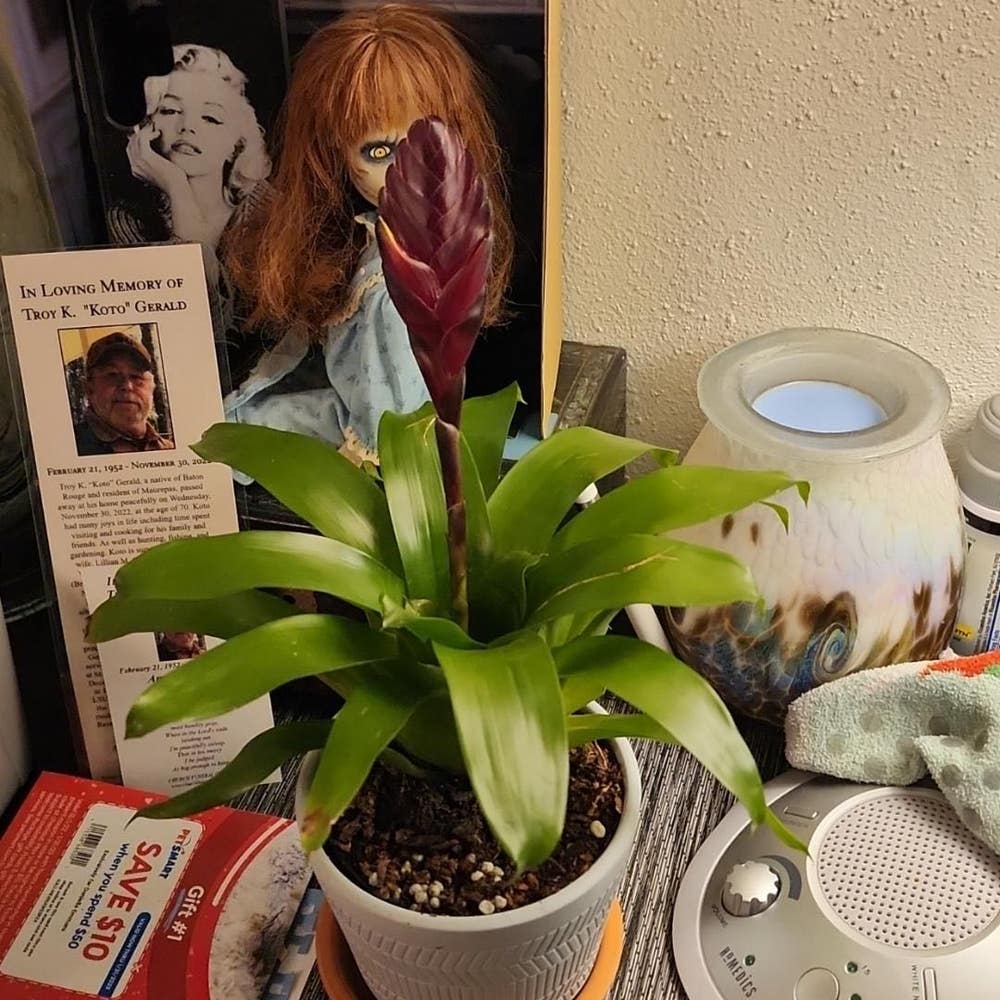
Is Direct Sunlight Good for My Vriesea maxoniana?
Vriesea maxoniana
By the Greg Editorial Team
Apr 16, 2024•4 min read
This article was created with the help of AI so we can cover more plants for you. May contain errors. See one? Report it here.
- 🌤️ Vriesea maxoniana loves bright, indirect light, not direct sun.
- 🍂 Leaf bleaching? Move to shade to prevent crispy edges.
- 🧭 Window direction matters for ideal light; use sheer curtains seasonally.
Sunlight Simplified: Direct vs. Indirect
☀️ What is Direct Sunlight?
Direct sunlight is like the sun's high-five to Earth, hitting surfaces head-on without any shade or clouds to soften the blow. It's the kind of light that can make you squint and casts sharp, clear shadows.
☀️ Direct vs. Indirect Sunlight
Direct sunlight is the unfiltered champion of brightness, while indirect sunlight is its gentle cousin, offering a comforting glow without the glare. Think of direct light as the sun staring you down at high noon, whereas indirect light is more like the sun giving you a soft pat on the back in the morning or late afternoon.
Vriesea maxoniana Meets the Sun
⛅️ Prefers a Shady Spot
Bright, indirect light is the sweet spot for Vriesea maxoniana. This plant revels in the kind of light that filters through a canopy of taller trees in its native habitat. Direct sunlight? Not so much. It's like a vampire at a beach party—just doesn't mix well. Keep your Vriesea maxoniana in a place where it can bask in the ambient glow without the harsh glare.
🌞 When the Sun's Too Strong
Leaf bleaching is your first clue that your Vriesea maxoniana is throwing an SOS signal. If the leaves start looking like they've been dipped in bleach, it's time to act. Crispy edges? That's the plant equivalent of a sunburn. Immediate relocation to a shadier haven is crucial. Sheer curtains can be lifesavers here, diffusing the light to a gentle caress rather than a scorching slap. If you're dealing with an outdoor setting, think about a shade cloth to provide a protective barrier. Remember, it's about avoiding the solar smackdown, not eliminating sunlight altogether.
The Window Compass: Navigating Light for Your Plant
⬆️ North, South, East, or West?
Choosing the right window for your Vriesea maxoniana is like picking a seat in a movie theater. North-facing windows are the back row—good view, but not too intense. Your plant gets a consistent, soft light that won't overwhelm it. South-facing windows? Front row seats to the sun's daily blockbuster, especially in the Northern Hemisphere. Great for a winter tan, but might require some shade in the summer. East-facing windows offer the perfect morning light, like a gentle nudge to wake up. And west-facing windows? They're the afternoon matinee—bright and direct, so you might want to pull the curtains to avoid a crispy plant.
🌍 Hemisphere Hints
Your spot on the globe is crucial for your Vriesea maxoniana's happiness. If you're chilling in the Northern Hemisphere, aim for a south-facing window during the colder months for that extra bit of sunshine. But come summer, you might need to shuffle your plant out of the spotlight to prevent a sunburn. Down in the Southern Hemisphere? Flip it. North-facing windows are your go-to for that sweet spot of light. Keep in mind, the sun's angle changes with the seasons, so be ready to adjust your plant's spot for the best year-round performance.
Seasonal Sun Shifts and Sheer Solutions
🌞 Changing Light with the Seasons
As the earth orbits, your Vriesea maxoniana's light appetite changes. Spring calls for bright, indirect light to kickstart growth. Come summer, the sun's glare intensifies; it's time to dial back on exposure. Autumn's gentler rays mean easing up on the shading. And in winter, grab that prime windowsill spot to catch the scarce light, or consider a light boost from artificial sources.
💡 Sheer Curtains: The Light Filter
Sheer curtains are the unsung heroes in your plant care arsenal. They're like a soft-focus lens for your Vriesea maxoniana, diffusing sunlight to prevent the equivalent of a plant sunburn. Not a fan of curtains? No sweat, blinds will do the trick, offering the flexibility to adjust light levels with a flick of the wrist. Remember, it's about crafting that perfect dappled light effect all year round.
⚠️ Safety First
This content is for general information and may contain errors, omissions, or outdated details. It is not medical, veterinary advice, or an endorsement of therapeutic claims.
Always consult a qualified healthcare professional before using any plant as food, medicine, or supplement.
Never eat any plant (or feed one to pets) without confirming its identity with at least two trusted sources.
If you suspect poisoning, call Poison Control (800) 222-1222, the Pet Poison Helpline (800) 213-6680, or your local emergency service immediately.
Spotted an error? Please report it here.
Keep your Vriesea maxoniana perfectly pampered 🌿 by letting Greg measure the sunlight by your windows, ensuring your plant gets just the right amount of indirect light without the guesswork.