The Best Pollinators for Your Vriesea 🐝
Vriesea maxoniana
By the Greg Editorial Team
Sep 30, 2024•6 min read
This article was created with the help of AI so we can cover more plants for you. May contain errors. See one? Report it here.
- 🌼 Vriesea flowers attract bees and hummingbirds with their vibrant colors and tubular shapes.
- 🐝 Cross-pollination enhances genetic diversity, vital for Vriesea's long-term survival.
- 🌱 Creating a pollinator-friendly garden boosts Vriesea growth and supports local ecosystems.
Vriesea Flower Structure
Description of Flower Characteristics 🌺
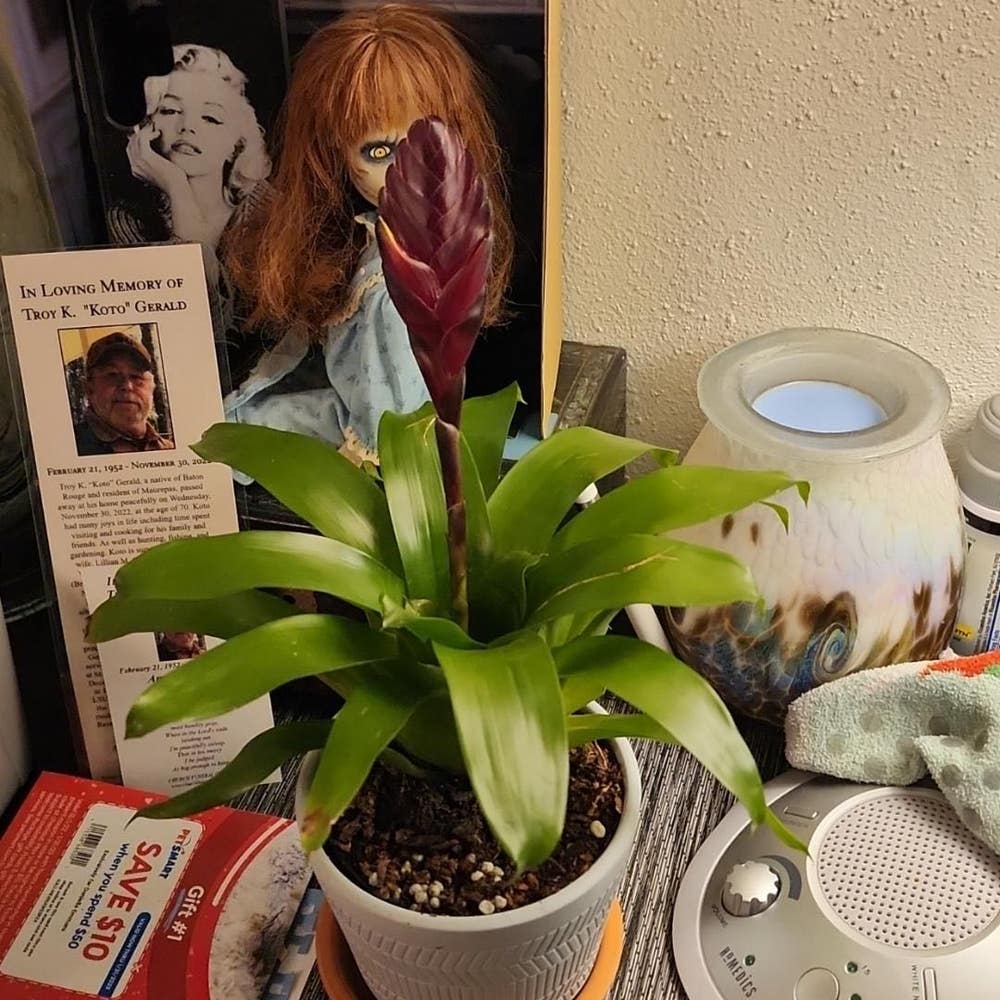
Vriesea flowers are a sight to behold, featuring tubular shapes that are not just visually appealing but also strategically designed to attract specific pollinators. Their vibrant colors enhance visibility, making them irresistible to creatures like bees and hummingbirds.
Typically, these flowers are arranged in a rosette pattern. This layout maximizes exposure, ensuring that pollinators can easily access the nectar and pollen they seek.
Role of Flower Characteristics in Pollination 🐝
Some Vriesea species have the remarkable ability to self-pollinate. Their flower structures facilitate pollen transfer within the same bloom, ensuring seed production even in isolation.
On the other hand, many Vriesea rely on external pollinators. Their unique characteristics are specifically adapted to attract these visitors, enhancing the chances of cross-pollination and genetic diversity.
Understanding these flower structures is crucial for appreciating how Vriesea thrives in various environments. This knowledge sets the stage for exploring the fascinating pollination processes that follow.
Pollination Process of Vriesea
🌱 Explanation of Self-Pollination
Vriesea plants have a fascinating self-pollination mechanism. This process typically occurs when conditions are right, such as during warm, humid days when the flowers are fully open.
Self-pollination ensures that these plants can produce seeds even in isolation. This is crucial for survival, especially in environments where pollinators may be scarce.
🐝 Identification of Primary Pollinators
Bees play a vital role in the pollination of Vriesea. They transfer pollen between flowers, enhancing genetic diversity and promoting healthier plant populations.
Butterflies are also attracted to Vriesea due to their bright colors and nectar-rich flowers. Their fluttering visits contribute significantly to effective pollination.
Hummingbirds are key players as well. Drawn by the tubular shape and sweet nectar, they are essential for the pollination of many Vriesea species.
🍯 Attraction Mechanisms for Pollinators
Nectar production is a primary strategy Vriesea uses to entice pollinators. The sweet liquid serves as a reward, encouraging insects and birds to visit.
Visual cues, such as vibrant colors and unique shapes, are equally important. These features help specific pollinator species locate the flowers, ensuring successful visits and pollen transfer.
In summary, the pollination process of Vriesea is a blend of self-sufficiency and reliance on external pollinators. Understanding these dynamics can enhance your gardening efforts and support the thriving ecosystem around your plants.
Natural Pollination of Vriesea
🌬️ Overview of Pollen Transfer Mechanisms
Pollination in Vriesea primarily occurs through two mechanisms: wind and animal interactions. While wind can carry pollen over short distances, it's the animals—especially insects and birds—that play a crucial role in effective pollen transfer.
Animal pollinators, such as bees and hummingbirds, are attracted to the vibrant flowers of Vriesea. As they move from flower to flower in search of nectar, they inadvertently transfer pollen, facilitating the reproductive process.
🌱 Importance of Pollination for Reproduction
Successful pollination is vital for seed development in Vriesea. When pollen reaches the stigma, it triggers fertilization, leading to the formation of seeds that can grow into new plants.
Moreover, cross-pollination enhances genetic diversity within Vriesea populations. This diversity is essential for resilience against diseases and environmental changes, ensuring the long-term survival of these beautiful plants.
As we delve deeper into the world of Vriesea, understanding these natural processes can help us appreciate the delicate balance of ecosystems and the importance of supporting our pollinators.
Hand Pollination Techniques for Vriesea
Hand pollination can be a rewarding way to ensure your Vriesea plants thrive. This technique is especially useful when natural pollinators are scarce or when you want to control the pollination process for specific breeding goals.
🌼 Step-by-Step Instructions for Hand Pollinating Vriesea
Identifying Male and Female Flower Parts:
Start by locating the male parts of the flower, known as stamens, which produce pollen. Next, identify the female part, called the pistil, where the pollen needs to be transferred.Collecting Pollen:
Use a small brush or cotton swab to gently collect pollen from the stamens. This delicate approach minimizes damage to the flower while ensuring you gather sufficient pollen.Transferring Pollen:
Carefully apply the collected pollen to the stigma of the pistil. This step is crucial for successful fertilization, so take your time to ensure proper contact.Timing:
Perform hand pollination during peak flowering periods for optimal results. This timing increases the likelihood of successful seed development.
Hand pollination not only boosts your Vriesea's chances of reproduction but also deepens your connection with these fascinating plants. By taking this hands-on approach, you can actively participate in their life cycle and witness the beauty of nature unfold.
Next, let’s explore how to create a pollinator-friendly environment that supports your Vriesea and enhances their growth.
Supporting Pollinators in Your Garden
🌼 Creating a Pollinator-Friendly Environment
To attract a variety of pollinators, plant diversity is key. Incorporating different flowering plants ensures that you cater to the preferences of bees, butterflies, and hummingbirds alike.
Providing habitat is equally important. Consider adding bee hotels or native plants to offer shelter and nesting sites for these essential creatures.
🐝 Companion Plants that Attract Beneficial Pollinators
Certain plants can significantly enhance pollinator activity in your garden. Lavender, salvia, and echinacea are excellent choices that not only attract pollinators but also add beauty to your space.
These companion plants create a supportive ecosystem for Vriesea. By fostering a diverse environment, you help ensure that pollinators thrive, benefiting your garden's overall health and productivity.
Creating a welcoming habitat for pollinators not only supports your Vriesea but also contributes to the broader ecosystem. As you cultivate your garden, remember that every flower counts in this vital process.
Pollination Challenges for Vriesea
🌪️ Common Obstacles to Successful Pollination
Pollination for Vriesea can be hindered by various environmental factors. Temperature fluctuations, high humidity, and inadequate light conditions can all negatively impact the delicate balance required for effective pollination.
Additionally, the decline in pollinator populations poses a significant threat to Vriesea reproduction. With fewer bees, butterflies, and hummingbirds visiting, the chances of successful cross-pollination diminish, leading to potential genetic bottlenecks.
🛠️ Solutions for Overcoming Challenges
To create optimal growing conditions for Vriesea, consider adjusting your garden's environment. Ensure consistent moisture levels, provide adequate sunlight, and monitor temperature to foster a thriving habitat.
Attracting pollinators is equally crucial. Planting native species, creating diverse flower beds, and avoiding pesticides can significantly enhance pollinator presence. These strategies not only support Vriesea but also contribute to a healthier ecosystem overall.
By addressing these challenges, you can help ensure the vibrant future of your Vriesea and its pollinators.
⚠️ Safety First
This content is for general information and may contain errors, omissions, or outdated details. It is not medical, veterinary advice, or an endorsement of therapeutic claims.
Always consult a qualified healthcare professional before using any plant as food, medicine, or supplement.
Never eat any plant (or feed one to pets) without confirming its identity with at least two trusted sources.
If you suspect poisoning, call Poison Control (800) 222-1222, the Pet Poison Helpline (800) 213-6680, or your local emergency service immediately.
Spotted an error? Please report it here.
Boost your Vriesea's pollination success 🌼 with Greg's tailored care tips that help create a welcoming habitat for essential pollinators!