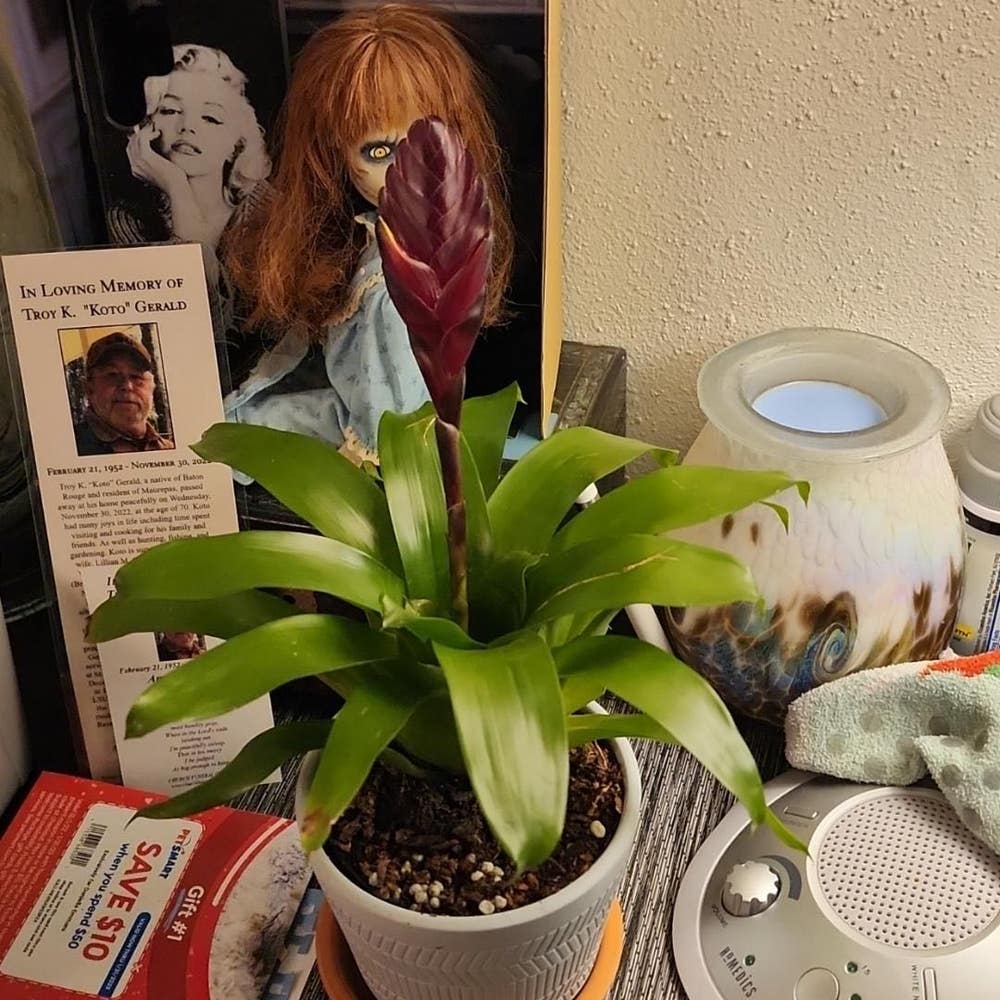
🌺 Why Vriesea Is A Perennial Plant
Vriesea maxoniana
By the Greg Editorial Team
Sep 30, 2024•6 min read
This article was created with the help of AI so we can cover more plants for you. May contain errors. See one? Report it here.
- 🌱 Vriesea thrives for years, unlike annuals, making it a low-maintenance choice.
- 🌿 Unique rosette form helps store water and nutrients, enhancing adaptability.
- 🌞 Proper care ensures vibrant growth and flowering, adapting to various climates.
Classification of Vriesea as a Perennial
Key Characteristics 🌱
Vriesea is classified as a perennial plant, meaning it has a multi-year lifecycle. Unlike annuals that complete their life cycle in one season and biennials that take two, Vriesea thrives year after year, establishing a robust presence in gardens.
This longevity allows Vriesea to adapt and flourish in various environments. Its ability to survive multiple years sets it apart, making it a reliable choice for gardeners looking for lasting beauty.
Growth Patterns 🌿
One of the standout features of Vriesea is its unique rosette growth form. This structure not only looks striking but also plays a crucial role in water and nutrient storage, allowing the plant to thrive even in less-than-ideal conditions.
Additionally, Vriesea has a remarkable regrowth mechanism. After flowering, it can regenerate from its roots, ensuring its survival and reinforcing its classification as a perennial. This ability to bounce back is vital for maintaining its presence in your garden year after year.
With these characteristics, Vriesea proves to be a resilient and adaptable plant, making it a fantastic addition to any garden. Next, let’s explore the lifecycle and growth patterns that further define this fascinating perennial.
Lifecycle and Growth Patterns
Stages of Growth 🌱
The lifecycle of Vriesea begins with its initial growth phase, where the plant focuses on establishing a robust root system and forming its characteristic rosette. This rosette structure not only supports the plant but also aids in capturing water and nutrients efficiently.
As Vriesea matures, it develops flowering stalks, showcasing its vibrant blooms. This transition marks a significant milestone in its lifecycle, indicating that the plant is thriving and ready to reproduce.
Regrowth Mechanism ♻️
After flowering, Vriesea has a remarkable ability to regenerate. It can bounce back from the flowering phase, thanks to its resilient root system, which stores energy and nutrients.
Root health is crucial for Vriesea's long-term growth. Strong roots ensure the plant can withstand environmental stresses and continue to thrive year after year.
This regenerative capability highlights why Vriesea is classified as a perennial, making it a fantastic choice for gardeners looking for longevity in their plants.
As we explore the flowering cycles next, we’ll delve into the timing and factors that influence Vriesea's blooming.
Flowering and Lifespan
Flowering Cycles 🌸
Timing is everything when it comes to Vriesea's flowering. Factors like light, temperature, and environmental conditions play a crucial role in determining when these stunning plants bloom.
- Light: Adequate sunlight is essential for triggering flowering. Too little light can delay or even prevent blooms.
- Temperature: Vriesea thrives in warm conditions, and fluctuations can influence the timing of flowering.
- Environmental Conditions: Humidity and soil moisture also impact flowering cycles, making it vital to monitor these factors.
Lifespan of Vriesea ⏳
Vriesea plants typically enjoy a lifespan of several years, but this can vary based on care and environmental factors.
- Expected Lifespan: With proper attention, these perennials can flourish for many years, providing ongoing beauty to your garden.
- Factors Influencing Longevity:
- Soil Quality: Well-draining, nutrient-rich soil promotes healthy growth.
- Water Availability: Consistent moisture, without overwatering, is key.
- Climate Conditions: The local climate can significantly affect how long your Vriesea thrives.
Understanding these flowering cycles and lifespan factors can help you cultivate a vibrant and lasting Vriesea garden. As you plan your care strategies, keep these elements in mind to ensure your plants not only bloom beautifully but also stand the test of time.
Next, we'll explore the dormancy periods and how Vriesea adapts to seasonal changes.
Dormancy and Seasonal Changes
Dormancy Periods 🌱
Dormancy is a natural phase for Vriesea, especially in cooler climates. During this time, growth slows significantly, impacting both flowering and overall vitality.
Vriesea has developed unique adaptations to conserve resources during dormancy. By reducing metabolic activity, it can survive less favorable conditions, ensuring it remains ready to thrive when the environment improves.
Seasonal Growth Patterns 🌼
Understanding the seasonal growth patterns of Vriesea is crucial for successful cultivation. The active growth season is characterized by vibrant growth and flowering, while the dormant season sees a retreat into a more energy-efficient state.
Environmental factors play a significant role in these cycles. Temperature and light levels trigger changes, signaling when it's time for Vriesea to flourish or rest.
Advantages for Gardeners
Benefits of Perennial Nature 🌱
One of the standout features of Vriesea is its perennial nature, which significantly reduces the need for annual replanting. This means less work for gardeners and more time to enjoy the beauty of these stunning plants.
Additionally, Vriesea develops strong, established root systems. These roots not only provide stability but also enhance nutrient uptake, ensuring the plant thrives year after year.
Long-Term Cultivation Strategies 🌿
To maximize the benefits of Vriesea's perennial nature, proper soil management is crucial. Using well-draining soil helps prevent root rot and promotes healthy growth.
Watering practices also play a vital role. Adjusting your watering frequency based on seasonal changes ensures that Vriesea receives the right amount of moisture, supporting its long-term health and vitality.
By understanding these strategies, gardeners can cultivate Vriesea effectively, enjoying its beauty for many years to come.
Variations Across Climate Zones
🌍 Behavior in Different Climates
Vriesea is remarkably adaptable, thriving in both tropical and temperate regions. This versatility allows it to flourish in diverse environments, making it a favorite among gardeners.
In tropical climates, Vriesea enjoys warm temperatures and high humidity, which promote lush growth and vibrant flowering. Conversely, in temperate regions, it can endure cooler temperatures, though it may enter a dormant phase during the chillier months.
🌦️ Impact of Climate on Growth and Flowering
Climate significantly influences Vriesea's growth patterns and flowering cycles. In warmer areas, flowering may occur more frequently, while in cooler climates, the plant may experience longer dormancy periods.
Local conditions, such as light availability and moisture levels, also play a crucial role. These factors can lead to variations in how and when Vriesea blooms, making it essential for gardeners to understand their specific environment.
🌱 Garden Planning Tips
When planting Vriesea, consider the climate zone to select the most suitable varieties. Tropical species may not thrive in colder regions, while hardier types can withstand cooler temperatures.
Planning for seasonal changes is equally important. Adjust care routines based on the plant's active growth season and dormancy periods to ensure optimal health and flowering.
By understanding these climate variations, you can cultivate Vriesea effectively, enhancing your garden's beauty and resilience. This knowledge sets the stage for successful long-term growth and enjoyment of this stunning perennial.
⚠️ Safety First
This content is for general information and may contain errors, omissions, or outdated details. It is not medical, veterinary advice, or an endorsement of therapeutic claims.
Always consult a qualified healthcare professional before using any plant as food, medicine, or supplement.
Never eat any plant (or feed one to pets) without confirming its identity with at least two trusted sources.
If you suspect poisoning, call Poison Control (800) 222-1222, the Pet Poison Helpline (800) 213-6680, or your local emergency service immediately.
Spotted an error? Please report it here.
Unlock the secret to a thriving Vriesea garden 🌿 with Greg's tailored care plans and watering reminders that keep your perennial beauty flourishing year after year!