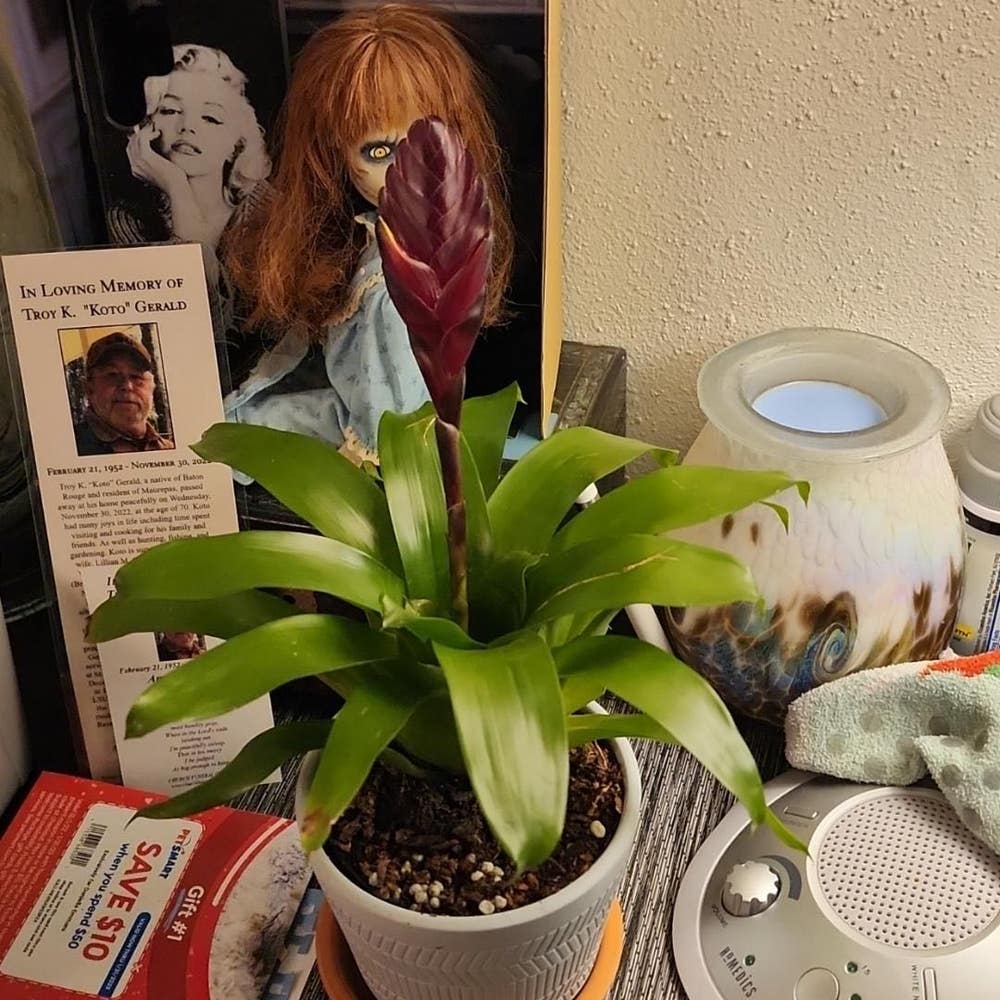
🌸 10 Essential Steps to Grow Healthy Vriesea
Vriesea maxoniana
By the Greg Editorial Team
Sep 30, 2024•8 min read
This article was created with the help of AI so we can cover more plants for you. May contain errors. See one? Report it here.
- 🌞 Vriesea thrives in bright, indirect light; avoid direct sunlight to prevent leaf scorch.
- 💧 Humidity is crucial; use humidifiers or water trays to maintain moisture levels.
- 🌱 Well-draining soil mix is essential; combine potting soil with orchid bark for optimal health.
Choosing the Right Location
Indoor vs. Outdoor Placement 🌞
Finding the perfect spot for your Vriesea is crucial for its health. Indoors, these plants thrive in bright, indirect light; direct sunlight can scorch their leaves.
Outdoors, opt for shaded areas with filtered sunlight. Protect your Vriesea from harsh winds and extreme temperatures to keep it flourishing.
Humidity Considerations 💧
Vriesea loves humidity, so consider enhancing your indoor environment. A humidifier or a tray of water nearby can work wonders.
For outdoor plants, keep an eye on humidity levels, especially during dry seasons. Maintaining the right moisture is key to vibrant growth.
Soil Preparation
Ideal Soil Mix 🌱
For your Vriesea to thrive, a well-draining soil mix is essential. Combining potting soil with orchid bark creates the perfect environment, allowing roots to breathe while retaining necessary moisture.
The ideal soil pH for Vriesea ranges from slightly acidic to neutral, specifically between 5.5 and 7.0. This balance ensures your plant can absorb nutrients effectively, promoting healthy growth.
Soil Drainage Techniques 🚰
Proper drainage is crucial to prevent waterlogging, which can lead to root rot. Always choose pots with drainage holes to facilitate excess water escape.
To enhance drainage further, consider mixing in perlite or sand. These materials improve aeration and help maintain the right moisture levels, ensuring your Vriesea remains happy and healthy.
With the right soil preparation in place, your Vriesea will be set for success. Next, let’s dive into effective planting techniques to get your plant off to a great start.
Planting Techniques
🌱 Planting in Containers
Choose a Pot: Start with a pot that has drainage holes. This is crucial to prevent water from accumulating at the bottom.
Prepare the Soil: Fill the pot with your well-draining soil mix, leaving enough space for the plant.
Position the Plant: Place the plant in the center of the pot. Gently fill around the roots with soil, firming it lightly to eliminate air pockets.
Water Lightly: After planting, give it a light watering to help settle the soil around the roots.
🌳 Planting Outdoors
Select the Right Spot: Choose a shaded area with well-draining soil. This will help your Vriesea thrive without the stress of direct sunlight.
Dig the Hole: Create a hole that’s slightly larger than the root ball of your plant. This gives the roots room to spread.
Place the Plant: Set the plant in the hole and backfill with soil. Make sure to water thoroughly after planting to eliminate any air pockets and help the roots establish.
With these planting techniques, your Vriesea will have a solid start in its new home. Next, let’s explore how to keep your plant hydrated and healthy with proper watering guidelines.
Watering Guidelines
Watering Frequency 🌊
To keep your Vriesea thriving, focus on watering the central rosette instead of the soil. Aim to fill it with water every 1-2 weeks, adjusting based on the humidity and temperature in your environment.
Signs of Overwatering 🚫
Watch for yellowing leaves and mushy roots, which are clear indicators of overwatering. If you notice these symptoms, it’s time to reassess your watering schedule and make necessary adjustments.
Understanding these watering guidelines is crucial for the health of your Vriesea. With the right care, you’ll see your plant flourish, setting the stage for the next steps in its growth journey.
Fertilizing Best Practices
Fertilization Schedule 🌱
To keep your Vriesea thriving, fertilize every 4-6 weeks during the growing season, which spans spring and summer. This regular feeding supports robust growth and vibrant blooms.
Types of Fertilizer 🧪
Opt for a balanced, water-soluble fertilizer diluted to half strength. This ensures your plant receives essential nutrients without overwhelming it.
For even better results, consider bromeliad-specific fertilizers. These are tailored to meet the unique needs of your Vriesea, promoting optimal health and growth.
With the right fertilization practices, your Vriesea will flourish beautifully. Next, let’s explore effective pruning techniques to encourage new growth and maintain your plant’s vitality.
Pruning Techniques
When to Prune 🌱
Pruning is essential for maintaining the health of your Vriesea. You can prune dead or damaged leaves at any time to encourage new growth.
Pruning Methods ✂️
- Start with clean, sharp scissors or pruning shears to prevent infection.
- Cut leaves at the base, being careful not to damage the central rosette.
Regular pruning not only keeps your plant looking tidy but also promotes better air circulation and light penetration. This simple practice can significantly enhance your Vriesea's overall vitality.
As you continue caring for your plant, remember that ongoing maintenance is crucial for its long-term health. Let's explore the next steps in your Vriesea care journey: ongoing care and maintenance routines.
Ongoing Care and Maintenance Routine
Regular Inspection 🕵️♀️
Regularly inspecting your Vriesea is crucial for its health. Look for signs of pests and diseases; early detection can save your plant from serious damage.
Water Management 💧
Water management is equally important. Ensure the central rosette remains filled with water, and remember to change the water weekly to prevent stagnation.
Additional Care Tips 🌱
- Humidity Levels: Keep an eye on humidity, especially indoors. A humidifier can work wonders.
- Light Exposure: Ensure your plant is getting the right amount of light, adjusting its position as needed.
By staying proactive with these care routines, you'll foster a thriving environment for your Vriesea. This attention to detail will not only enhance its growth but also bring you joy as you watch it flourish.
Next, let’s dive into identifying and managing pests that could threaten your plant's health.
Identifying and Managing Pests
🐜 Common Pests
Pests can be a real headache for your Vriesea, but knowing what to look for makes all the difference. Here are two common culprits to watch out for.
Mealybugs
Mealybugs are notorious for their white, cotton-like masses that appear on leaves. If you spot these pests, act quickly by applying insecticidal soap or neem oil to eliminate them.
Aphids
Aphids can distort leaves and leave a sticky residue behind. To tackle these pests, consider introducing beneficial insects or using insecticidal soap to keep them at bay.
By staying vigilant and addressing these pests promptly, you can ensure your Vriesea remains healthy and vibrant. Next, let’s explore how to address common diseases that might affect your plant.
Addressing Common Diseases
🌱 Root Rot
Root rot is a sneaky adversary for your Vriesea. Symptoms include wilting and yellowing leaves, which can be alarming.
To prevent this issue, ensure your plant has proper drainage. Avoid overwatering; it's better to err on the side of caution.
🕵️♂️ Leaf Spot
Leaf spot manifests as brown or black spots on leaves, signaling trouble.
To control this, remove the affected leaves promptly. Improving air circulation around your plant can also help prevent future outbreaks.
By staying vigilant and addressing these common diseases, you can keep your Vriesea thriving. Next, let’s explore how to troubleshoot growth issues effectively.
Troubleshooting Growth Issues
🐢 Slow Growth
If your Vriesea is growing slowly, it might be due to insufficient light or nutrients. Check its placement; it should bask in bright, indirect light to thrive.
Consider adjusting your fertilization routine as well. A nutrient boost can make a world of difference.
🎨 Leaf Discoloration
Discoloration, such as yellowing leaves, often signals nutrient deficiencies or overwatering. Assess your watering habits; the central rosette should be filled with water, but not to the point of sogginess.
If you suspect nutrient issues, consider a balanced fertilizer. This can help restore your plant's vibrant color and health.
By keeping an eye on these factors, you can ensure your Vriesea stays healthy and vibrant. Next, let’s dive into seasonal growth requirements to keep your plant thriving year-round.
Seasonal Growth Requirements
🌸 Spring and Summer Care
As the days grow longer and warmer, your Vriesea will enter its active growth phase. This is the time to ramp up watering and fertilizing to support that vibrant growth.
Watering: Increase the frequency to keep the central rosette filled with water. Aim for every week or so, adjusting based on humidity levels.
Fertilizing: Feed your plant every 4-6 weeks with a balanced, water-soluble fertilizer. This will provide the nutrients it craves during its peak growing season.
🍂 Fall and Winter Care
When the temperatures drop, your Vriesea will slow down its growth. It’s essential to adjust your care routine accordingly.
Watering: Cut back on watering frequency, allowing the soil to dry out a bit more between sessions. This helps prevent root rot during the cooler months.
Protection: Ensure your plant is shielded from cold drafts. A stable environment will keep it healthy and thriving through the winter.
By understanding these seasonal needs, you can keep your Vriesea flourishing year-round. Next, let’s dive into how to prepare your plant for the changing seasons!
Preparing for Different Seasons
❄️ Winter Preparation
As temperatures drop, it's crucial to protect your indoor Vriesea. Move your plants away from cold windows to shield them from chilling drafts.
Maintaining humidity levels is essential during winter. Consider using a humidifier or placing a tray of water nearby to keep your plant thriving.
☀️ Summer Care
Summer can be a tricky time for outdoor Vriesea. Monitor your plants closely for signs of excessive heat, especially during heatwaves.
Adjust your watering schedule as needed. Ensure the soil remains moist but not soggy, allowing your Vriesea to flourish in the warm weather.
By staying attentive to seasonal changes, you can help your Vriesea thrive year-round. Next, let’s dive into ongoing care and maintenance routines to keep your plants healthy and vibrant.
⚠️ Safety First
This content is for general information and may contain errors, omissions, or outdated details. It is not medical, veterinary advice, or an endorsement of therapeutic claims.
Always consult a qualified healthcare professional before using any plant as food, medicine, or supplement.
Never eat any plant (or feed one to pets) without confirming its identity with at least two trusted sources.
If you suspect poisoning, call Poison Control (800) 222-1222, the Pet Poison Helpline (800) 213-6680, or your local emergency service immediately.
Spotted an error? Please report it here.
Ensure your Vriesea flourishes with tailored care 🌱 from Greg, offering personalized watering reminders and expert tips to keep humidity just right for your stunning bromeliad!