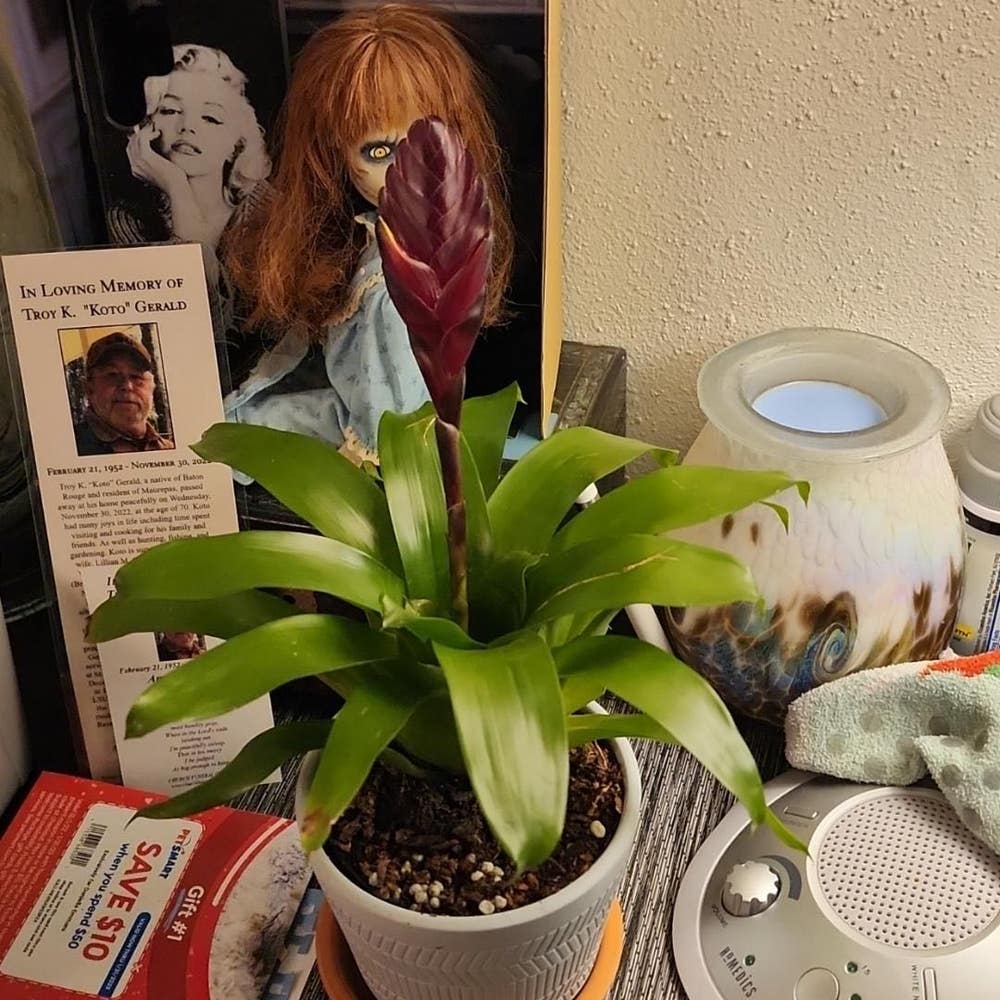
🌸 Vriesea Is Not an Annual
Vriesea maxoniana
By the Greg Editorial Team
Sep 30, 2024•5 min read
This article was created with the help of AI so we can cover more plants for you. May contain errors. See one? Report it here.
- 🌼 Vriesea is a perennial, thriving for over five years with stunning foliage and flowers.
- 🌱 Understanding seasonal behavior is crucial for proper care and vibrant growth.
- 🌞 Proper light and moisture ensure Vriesea's success, enhancing garden aesthetics year-round.
Vriesea's Perennial Nature
🌱 Genetic Characteristics
Vriesea belongs to the Bromeliaceae family, a diverse group known for its stunning foliage and flowers. These plants have evolved unique genetic traits that enable them to survive and reproduce over the long term.
Different Vriesea varieties showcase a range of genetic adaptations. This variability allows them to thrive in various environments, making them resilient and versatile.
🌿 Physiological Traits Supporting Perennial Growth
One of the standout features of Vriesea is its unique rosette structure. This growth form not only adds visual interest but also aids in efficient resource allocation.
Vriesea plants excel at using nutrients and water over time. Their resilience allows them to withstand adverse conditions, making them ideal for both novice and experienced gardeners.
⏳ Long-Term Lifecycle and Growth Patterns
Typically, Vriesea plants have a lifespan that exceeds five years. They progress through distinct growth stages: juvenile, mature, and flowering phases.
Understanding their seasonal behavior is crucial. Vriesea experiences dormancy and active growth periods, which influence their care and maintenance in the garden.
In summary, Vriesea's perennial nature is defined by its genetic adaptability, unique physiological traits, and long-term growth patterns. This makes them not just a beautiful addition to any garden but also a sustainable choice for long-term gardening success.
Next, we will explore how Vriesea compares to true annuals, highlighting their growth patterns and longevity.
Lifecycle Comparison with True Annuals
Growth Patterns and Longevity 🌱
Vriesea plants exhibit a slower initial growth rate compared to fast-growing annuals. This gradual development allows them to establish a robust foundation for long-term survival.
Their seasonal cycles include extended flowering periods and dormancy phases, which contribute to their resilience. Unlike annuals that complete their lifecycle in one season, Vriesea can thrive over multiple years, showcasing their perennial nature.
Flowering and Seed Production 🌸
The flowering pattern of Vriesea is truly captivating, with vibrant inflorescences that can last for months. This extended display not only enhances garden aesthetics but also attracts pollinators.
Flowering typically occurs after several years of growth, marking a significant milestone in their lifecycle. Vriesea reproduces through both sexual means, producing seeds, and asexual methods, such as offsets, ensuring their continued presence in the garden.
Understanding these differences between Vriesea and true annuals highlights their unique qualities. This knowledge empowers gardeners to appreciate the long-term beauty and sustainability that Vriesea brings to any landscape.
As we explore regional variations and misconceptions, we’ll uncover how environmental factors can influence the perception of these remarkable plants.
Regional Variations and Misconceptions
Conditions Leading to Misidentification 🌱
Vriesea plants can often be misidentified due to varying environmental factors. Climate and soil conditions play a significant role in how these plants are perceived, leading to confusion with short-lived bromeliads or similar species.
This misidentification can result in gardeners treating Vriesea as annuals, overlooking their true perennial nature. Understanding the specific characteristics of Vriesea is crucial for proper care and appreciation.
Exceptions in Vriesea Care Based on Climate 🌦️
Some Vriesea species exhibit remarkable adaptability, sometimes behaving like annuals in harsher climates. This adaptability can lead to misconceptions about their lifespan and care requirements.
To ensure optimal growth, it's essential to adjust care based on local conditions. For instance, in cooler climates, providing extra protection during winter can help maintain their perennial status.
By recognizing these regional variations, gardeners can better appreciate and care for their Vriesea plants, ensuring they thrive for years to come. This understanding sets the stage for exploring how to integrate Vriesea into garden design effectively.
Garden Design Implications
Advantages of Using Vriesea in Perennial Planting 🌼
Vriesea plants are a fantastic choice for perennial gardens. Their long lifespan means fewer replacements, making them a smart investment for any gardener.
Additionally, their unique foliage and vibrant flowers add a striking visual element to garden designs. This aesthetic appeal can elevate the overall look of your outdoor space.
Tips for Integrating Vriesea into Garden Design 🌿
Companion Planting
Pairing Vriesea with other perennials can create stunning visual contrasts. Consider plants with complementary colors and textures to enhance the overall design.
Placement
Choosing the right location for Vriesea is crucial. They thrive in areas with adequate light and moisture, so assess your garden's conditions before planting.
Seasonal Interest
To ensure year-round appeal, plan for seasonal changes. Incorporate Vriesea alongside other plants that bloom at different times, keeping your garden lively throughout the year.
By thoughtfully integrating Vriesea into your garden, you can enjoy their beauty and longevity while creating a vibrant, dynamic landscape. Next, let’s explore how to maximize their lifespan in your garden.
Maximizing Longevity in the Garden
🌱 Best Practices for Managing Vriesea
To keep your Vriesea thriving, consistent moisture is key. Ensure the soil is moist but avoid waterlogging, as this can lead to root rot.
Fertilization plays a crucial role during active growth periods. Use balanced nutrients to support healthy development and vibrant blooms.
Pruning is another essential practice. Regularly remove spent flowers to encourage new growth and maintain the plant's aesthetic appeal.
⏳ Tips for Enhancing Vriesea's Lifespan
Environmental considerations are vital for Vriesea's longevity. Protect your plants from extreme temperatures and harsh conditions to help them flourish.
Monitoring health is equally important. Conduct regular inspections for pests and diseases to catch any issues early.
Lastly, adjust your care practices based on seasonal growth cycles. Tailoring your approach ensures your Vriesea remains healthy and vibrant throughout the year.
By following these best practices and tips, you can maximize the lifespan of your Vriesea, ensuring they continue to bring beauty to your garden for years to come. Next, let’s explore how to integrate Vriesea into your garden design effectively.
⚠️ Safety First
This content is for general information and may contain errors, omissions, or outdated details. It is not medical, veterinary advice, or an endorsement of therapeutic claims.
Always consult a qualified healthcare professional before using any plant as food, medicine, or supplement.
Never eat any plant (or feed one to pets) without confirming its identity with at least two trusted sources.
If you suspect poisoning, call Poison Control (800) 222-1222, the Pet Poison Helpline (800) 213-6680, or your local emergency service immediately.
Spotted an error? Please report it here.
Embrace the beauty of Vriesea as a long-lasting perennial 🌼, and let Greg guide you with personalized care tips to keep your plant thriving for years to come!