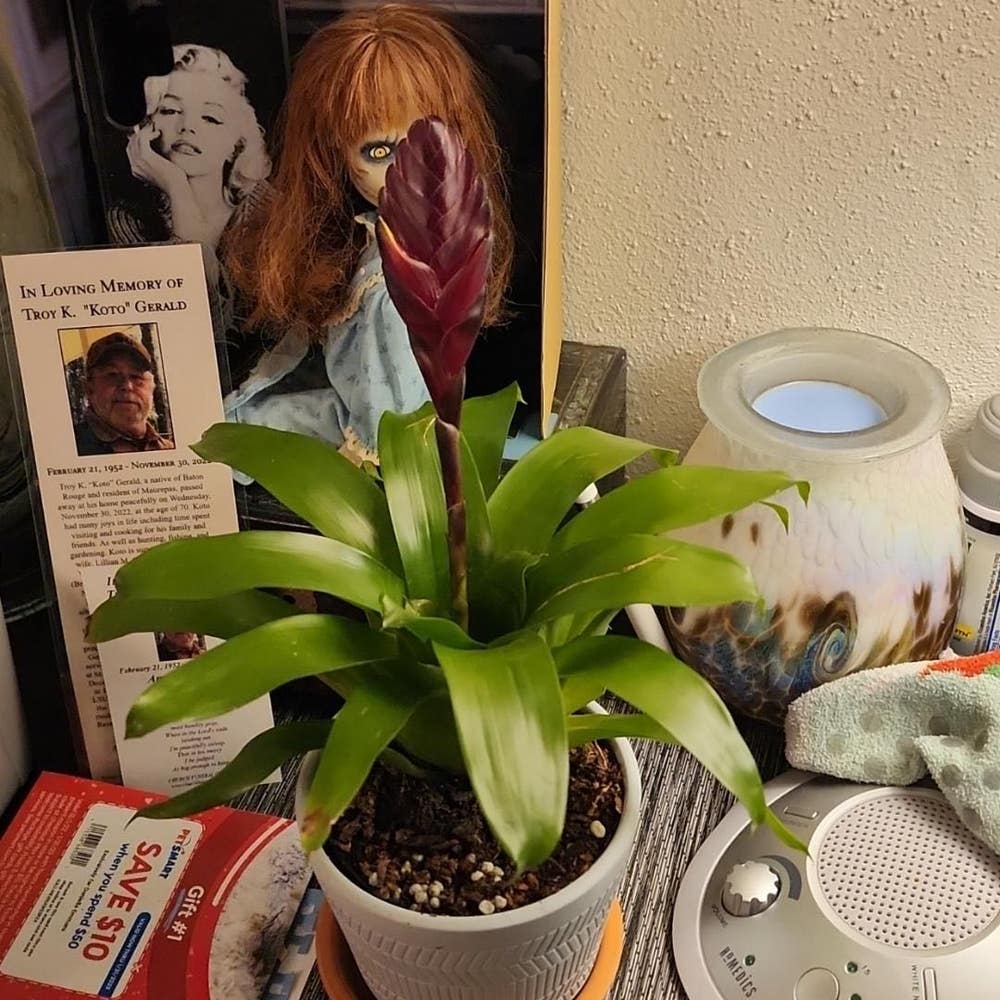
🌞 Optimal Hardiness Zones for Vriesea: 10a-12b
Vriesea maxoniana
By the Greg Editorial Team
Sep 30, 2024•4 min read
This article was created with the help of AI so we can cover more plants for you. May contain errors. See one? Report it here.
- 🌡️ Vriesea thrives in USDA zones 10a-12b, avoiding frost and extreme cold.
- 🌴 Warm, humid environments are essential for Vriesea's optimal growth and health.
- 🌊 Microclimates near water enhance Vriesea growth, providing ideal conditions.
Vriesea Temperature Tolerance
❄️ Cold Tolerance Specifics
Vriesea thrives in USDA hardiness zones 10a to 12b, where temperatures rarely dip below 30°F (-1°C). This plant is sensitive to frost; even a brief exposure can lead to damage, making protection during cold snaps essential.
Understanding the first and last frost dates in your area is crucial for successful planting and safeguarding your Vriesea. These dates help you plan when to plant and when to take protective measures.
🔥 Heat Tolerance Specifics
Vriesea prefers warm, humid environments typical of tropical climates. While it can withstand high temperatures, it requires adequate moisture and indirect light to flourish.
In the right conditions, Vriesea can thrive, showcasing its vibrant foliage and unique beauty. Ensuring a balance of warmth and humidity will keep your plant healthy and happy.
With a solid grasp of temperature tolerance, you can create the ideal environment for your Vriesea. Next, let’s explore the ideal growing regions for this stunning plant.
Ideal Growing Regions for Vriesea
🌍 Examples of US States in Suitable Zones
Vriesea thrives in USDA hardiness zones 10a to 12b, making certain states prime locations for its growth. California, Florida, Texas, and Hawaii are standout examples, each offering unique microclimates that enhance Vriesea cultivation.
In California, regions like Southern California's coastal areas provide the warmth and humidity Vriesea loves. Florida's tropical climate, especially in the southern parts, creates an ideal environment. Texas, particularly along the Gulf Coast, also supports these vibrant plants. Hawaii, with its year-round warmth, is a natural haven for Vriesea.
🌦️ Factors Contributing to Ideal Growing Conditions
Several climate characteristics contribute to the optimal growth of Vriesea. Warm temperatures, high humidity, and minimal frost occurrences are essential for this tropical beauty to flourish.
Soil quality is equally important. Vriesea requires well-draining soil to prevent root rot, which can be detrimental to its health. Ensuring your planting area has good drainage will set the stage for a thriving plant.
Understanding these ideal conditions can help you choose the best location for your Vriesea. With the right environment, you can enjoy the stunning foliage and vibrant colors these plants bring to your space.
As we explore further, let’s dive into the significance of microclimates and how they can enhance your Vriesea growing experience.
Microclimates and Vriesea
Definition and Significance 🌍
Microclimates are localized climate conditions that can differ significantly from the surrounding area. These unique environments can create favorable conditions for plants like Vriesea, which may struggle in broader climate settings.
How Microclimates Can Extend Growing Range 🌱
Microclimates can be found in various locations, such as areas near bodies of water, sheltered gardens, or urban heat islands. These spots often provide warmer temperatures and higher humidity, which are ideal for Vriesea.
To make the most of these microclimates, consider positioning your Vriesea in protected areas. This strategy can help mitigate frost risk and enhance growth potential, allowing your plants to thrive even in less-than-ideal conditions.
Understanding and utilizing microclimates can significantly extend the growing range for Vriesea. By recognizing these localized conditions, you can create a nurturing environment that supports your plants' needs.
As we explore the ideal growing regions for Vriesea, keep in mind how microclimates can play a crucial role in your gardening success.
State-Level Suitability for Vriesea
List of States in Hardiness Zones 10a-12b 🌞
Vriesea thrives in USDA hardiness zones 10a to 12b, making certain states ideal for its growth. Key states include:
- California: Known for its diverse climates, particularly in coastal and southern regions, which provide the warmth and humidity Vriesea loves.
- Florida: With its tropical climate, Florida offers year-round warmth and moisture, perfect for these beautiful plants.
- Texas: The southern parts of Texas, especially near the coast, create a suitable environment for Vriesea.
- Hawaii: The islands' consistently warm temperatures and high humidity levels are a natural fit for Vriesea cultivation.
- Parts of Arizona and Louisiana: Certain areas in these states also provide the right conditions, though care must be taken regarding extreme heat.
These states share characteristics like warm temperatures, high humidity, and minimal frost occurrences, making them perfect for Vriesea.
States Unsuitable for Vriesea and Reasons Why 🚫
While some states are perfect for Vriesea, others are not. Most northern states, including:
- New York
- Michigan
- Minnesota
These regions face frequent frost and cold temperatures, which can be detrimental to Vriesea. Additionally, the lack of humidity in these areas further limits the plant's ability to thrive.
Understanding these state-level distinctions can help you choose the right location for your Vriesea, ensuring it flourishes in your garden.
As we explore the next section, we'll dive into the fascinating world of microclimates and how they can extend the growing range for Vriesea.
⚠️ Safety First
This content is for general information and may contain errors, omissions, or outdated details. It is not medical, veterinary advice, or an endorsement of therapeutic claims.
Always consult a qualified healthcare professional before using any plant as food, medicine, or supplement.
Never eat any plant (or feed one to pets) without confirming its identity with at least two trusted sources.
If you suspect poisoning, call Poison Control (800) 222-1222, the Pet Poison Helpline (800) 213-6680, or your local emergency service immediately.
Spotted an error? Please report it here.
Cultivating Vriesea in zones 10a-12b is easy-peasy 🌱 with Greg's tailored care reminders and frost protection tips, ensuring your plant thrives in its perfect tropical paradise!