⏳ Lifespan of Vriesea
Vriesea maxoniana
By the Greg Editorial Team
Sep 30, 2024•6 min read
This article was created with the help of AI so we can cover more plants for you. May contain errors. See one? Report it here.
- 🌱 Vriesea germination takes 2 to 4 weeks; temperature and light are key factors.
- 🌞 Optimal growth requires indirect sunlight and well-draining, sterile soil for seedlings.
- ⏳ Maturity spans 2 to 5 years, with care evolving through each life stage.
Germination Stage
🌱 Duration of Germination
Germination for Vriesea typically takes about 2 to 4 weeks. This timeframe can vary based on several factors, including temperature, humidity, and light conditions.
🌞 Conditions for Successful Germination
To ensure successful germination, maintaining the right conditions is crucial.
Optimal Temperature
Aim for a temperature range of 20°C to 25°C (68°F to 77°F) for the best results.
Light Requirements
Provide indirect sunlight or filtered light to encourage healthy growth.
Moisture Needs
Keep the soil consistently moist, but avoid waterlogging to prevent rot.
Soil Type
Use a well-draining, sterile medium, such as a peat-based mix, to support the germination process.
By paying attention to these conditions, you can set your Vriesea seeds up for a successful start. This foundational stage is essential for the plant's overall health and future growth.
Next, we’ll explore the seedling stage, where your Vriesea begins to take shape and develop its unique characteristics.
Seedling Stage
Duration and Characteristics 🌱
The seedling stage of Vriesea lasts about 3 to 6 months. During this time, the plant develops true leaves and begins to form its initial rosette.
Development of True Leaves 🍃
True leaves are a significant milestone in a Vriesea's growth. They signal that the plant is transitioning from its early stages and gearing up for more robust growth.
Initial Rosette Formation 🌼
As the seedling matures, it starts to form a rosette shape. This characteristic structure is essential for the plant's overall health and aesthetic appeal.
Care During the Seedling Stage 💧
Proper care during this stage is crucial for successful development. Ensure consistent moisture and provide indirect sunlight to help your Vriesea thrive.
Transition to the Next Stage 🚀
Once the seedling stage is complete, your Vriesea will be ready to enter the vegetative growth stage. This transition marks the beginning of a more dynamic phase in its life cycle.
Vegetative Growth Stage
Duration of Growth 🌱
The vegetative growth stage of Vriesea typically lasts between 1 to 3 years. This duration varies based on the specific species and environmental conditions.
Notable Changes 🍃
As Vriesea matures, you'll notice significant changes in its leaves. They grow longer and broader, creating a lush, dense rosette that is visually striking.
Color Variations 🎨
Different species of Vriesea can display a fascinating array of colors and textures in their leaves. This diversity adds a unique aesthetic to your plant collection.
Root System Development 🌿
During this stage, the root system becomes robust, enhancing the plant's ability to absorb nutrients. A healthy root system is crucial for supporting the plant's growth and overall vitality.
The vegetative growth stage is a transformative period for Vriesea, setting the foundation for its future flowering. Understanding these changes can help you provide the best care as your plant continues to thrive.
Flowering Stage
🌸 Duration of Flowering
The flowering stage of Vriesea typically lasts between 2 to 6 months. This duration can vary based on the specific species and the environmental conditions they are exposed to.
🌼 Description of Flowering Process
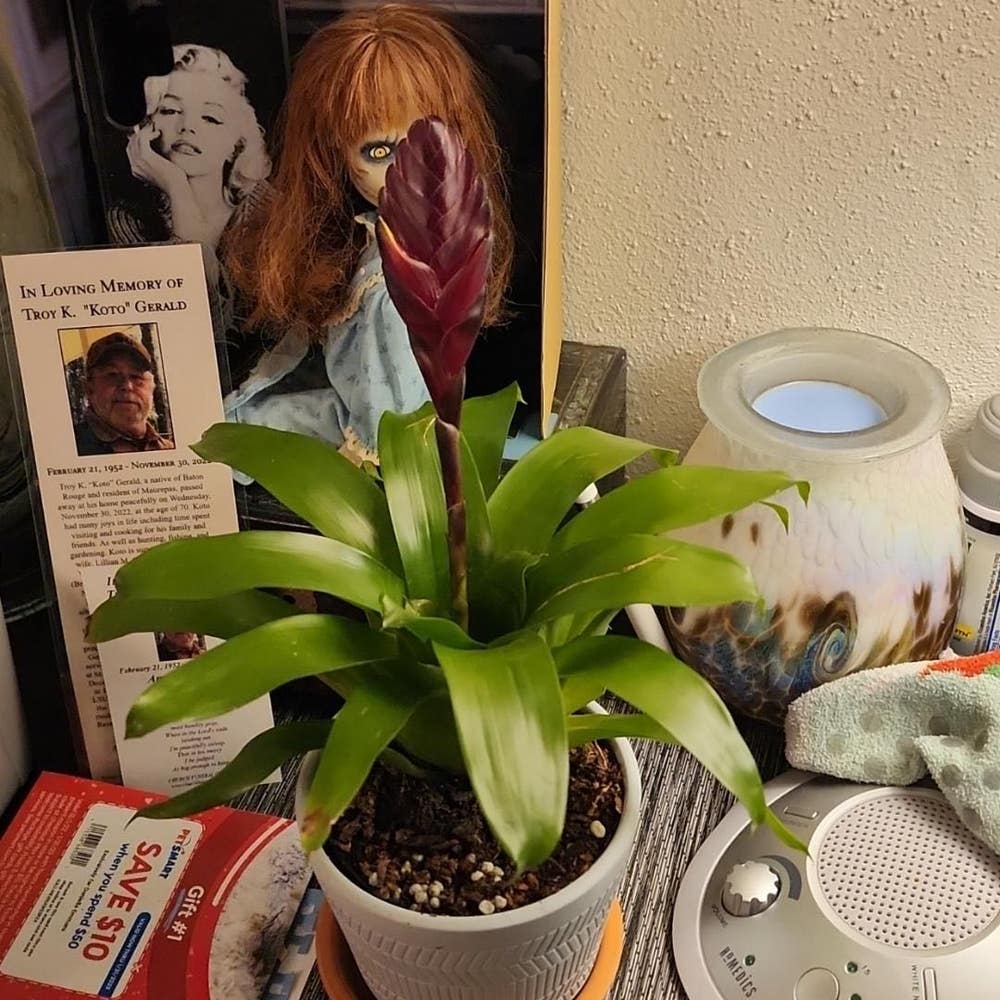
During flowering, Vriesea produces unique and colorful flower spikes that can captivate any observer. These inflorescences not only add beauty but can last several months, making them a highlight of the plant's life cycle.
Pollination is a crucial part of this process, often facilitated by hummingbirds or insects drawn to the vibrant blooms. Flowering usually occurs once the plant reaches maturity, signaling a significant milestone in its growth journey.
As you explore the flowering stage, you'll appreciate the intricate balance of nature that allows these stunning plants to thrive and reproduce. This stage not only enhances the plant's aesthetic appeal but also plays a vital role in its life cycle, paving the way for future generations.
With the flowering stage complete, we can now delve into the fascinating process of seed production that follows.
Seed Production Stage
Duration and Process 🌱
The seed production stage of Vriesea typically lasts between 3 to 6 months after flowering. Once pollination occurs, the flowers begin developing seeds within capsules, marking a crucial phase in the plant's life cycle.
Importance of Seed Production 🌍
Seed production is vital for maintaining genetic diversity, which is essential for the continuation of the species. These seeds not only ensure the survival of Vriesea but also facilitate propagation, allowing for new plant growth and enriching the ecosystem.
Understanding this stage highlights the intricate balance of life and the importance of each phase in the Vriesea's journey. As we transition to the next topic, let's explore how growth rates and maturation can vary significantly among different species.
Growth Rate and Maturation
How Long Until Fully Grown? 🌱
The typical maturation time for Vriesea plants ranges from 2 to 5 years. This timeline can vary significantly based on the specific species and the conditions in which they are grown.
Factors Affecting Growth Rate 🌡️
Several factors influence the growth rate of Vriesea. Key environmental conditions include light, temperature, humidity, and soil quality.
Comparison of Growth Rates 📊
When it comes to growth rates, there are notable differences among species.
- Fast-growing varieties: Some species can reach maturity in as little as 2-3 years.
- Slower-growing varieties: Others may take up to 5 years to fully mature.
Understanding these growth dynamics can help you choose the right Vriesea for your gardening goals. Whether you prefer a quicker bloom or are willing to wait for a slower-growing beauty, there's a Vriesea for every enthusiast.
As you consider these factors, remember that patience is key in nurturing these stunning plants. The journey from seedling to maturity is not just about time; it’s about creating the right environment for your Vriesea to thrive.
Notable Changes Throughout the Life Cycle
🌱 Physical Changes
As Vriesea matures, you'll notice a significant transition from seedling to adult plant. The leaves increase in size and density, forming a lush rosette that enhances its visual appeal.
The flowering stage brings a remarkable transformation. Inflorescences emerge, showcasing vibrant colors and unique shapes that can captivate any observer.
🔄 Changes in Care Needs
With maturity, the care requirements of Vriesea evolve. Mature plants often need less frequent watering, making them easier to maintain.
Fertilization also shifts as the plant grows. Transitioning to a balanced fertilizer supports ongoing health and vitality.
🌍 Environmental Adaptations
Vriesea plants are epiphytic, meaning they can adapt to various host plants and environments. This flexibility allows them to thrive in diverse conditions.
Light and humidity needs may change throughout their life cycle. Adjusting care based on these factors ensures optimal growth and health.
These notable changes highlight the dynamic nature of Vriesea, making it a fascinating plant to cultivate. As we explore the next section, we’ll delve into the growth rate and maturation of these remarkable plants.
⚠️ Safety First
This content is for general information and may contain errors, omissions, or outdated details. It is not medical, veterinary advice, or an endorsement of therapeutic claims.
Always consult a qualified healthcare professional before using any plant as food, medicine, or supplement.
Never eat any plant (or feed one to pets) without confirming its identity with at least two trusted sources.
If you suspect poisoning, call Poison Control (800) 222-1222, the Pet Poison Helpline (800) 213-6680, or your local emergency service immediately.
Spotted an error? Please report it here.
Nurturing your Vriesea from seedling to maturity is a rewarding journey 🌿, and with Greg's tailored care reminders, you'll ensure your plant thrives every step of the way!