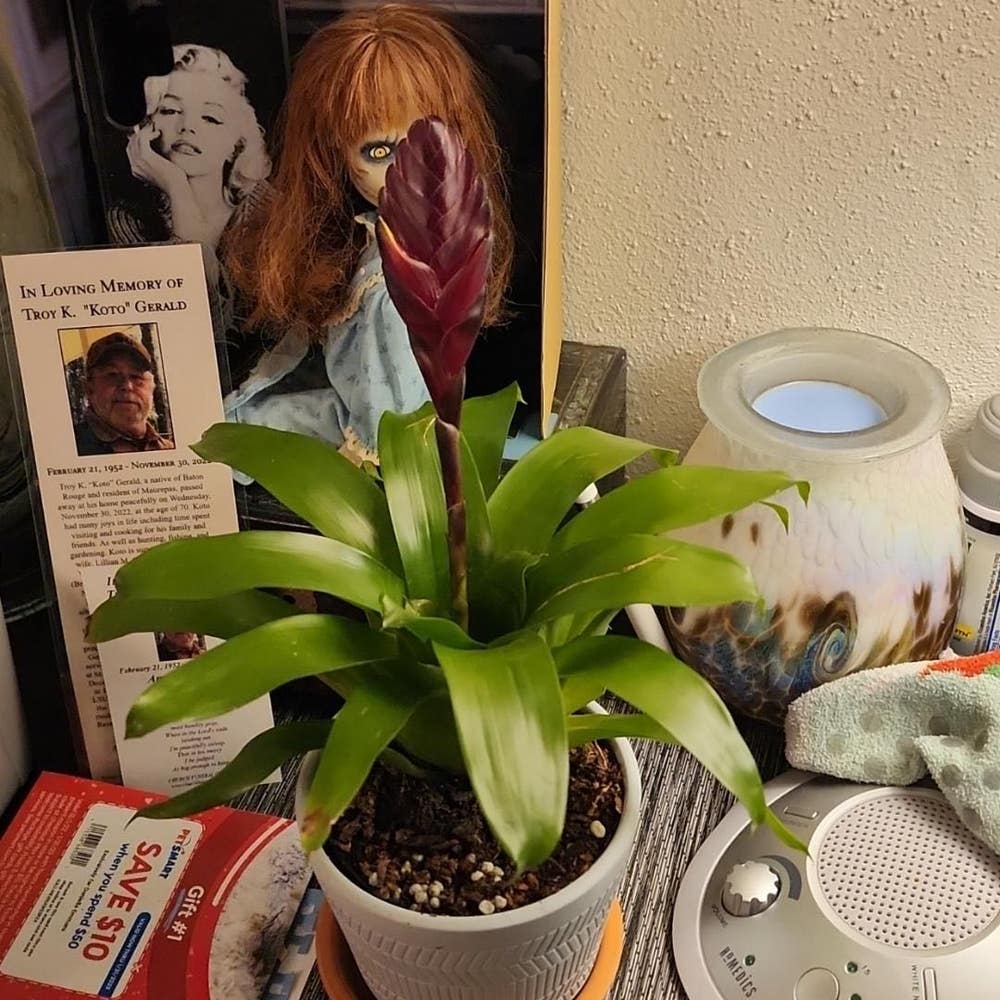
What Are The Bugs on My Vriesea maxoniana?
Vriesea maxoniana
By the Greg Editorial Team
Apr 16, 2024•4 min read
This article was created with the help of AI so we can cover more plants for you. May contain errors. See one? Report it here.
- 🕷️ Spider mites leave webbing and speckles; wash and treat with neem oil.
- 🍯 Scale insects show as brown bumps; combat with rubbing alcohol or horticultural oil.
- 🌱 Integrated Pest Management (IPM) combines tactics for sustainable pest control.
Meet the Usual Suspects: Common Pests on Vriesea maxoniana
🕷️ Spider Mites: The Sneaky Sap-Suckers
Spotting the Signs
Tiny webbing under leaves or a speckled, dusty look? Your Vriesea maxoniana might be hosting spider mites. These pests are like the invisible ink of the bug world, revealing themselves only through the damage they leave behind.
Fight Back
Isolate your plant to prevent a mite migration. Wash down your Vriesea maxoniana with water to dislodge the mites, then treat with insecticidal soap or neem oil. Repeat treatments are often necessary to eradicate these persistent pests.
Keep Them Out
Misting your plant can deter spider mites, who despise high humidity. Introduce natural predators like ladybugs if you're feeling proactive. Regular leaf inspections, especially during dry months, are crucial.
🦟 Scale Insects: Sticky Foes
Unmasking Scale
Notice tiny brown bumps on leaves or stems? Those could be scale insects setting up camp on your plant. They leave behind sticky honeydew, which can lead to sooty mold.
Scale Skirmish
Rubbing alcohol on a cotton swab can be your first strike against scale. For larger infestations, insecticidal soap or horticultural oil can be effective. Be persistent; scale insects are tenacious.
Fortify Your Plant
Prevent scale by keeping your Vriesea maxoniana clean and checking regularly for pests. A healthy plant is less inviting to these sticky foes.
🦟 Fungus Gnats and Fruit Flies: The Flying Fiends
Catching Them in the Act
A cloud of tiny flies when you disturb your plant? Fungus gnats or fruit flies are likely enjoying the moist soil of your Vriesea maxoniana.
Grounding the Gnats
Reduce watering to make the soil less appealing. Sticky traps can catch adults, while a mixture of hydrogen peroxide and water can address larvae in the soil.
No-Fly Zone
Ensure proper drainage and avoid overwatering to keep your Vriesea maxoniana clear of these winged annoyances.
🦟 Mealybugs: The White Wreckers
The White Giveaway
White, fluffy clusters in the crevices of your plant? That's a mealybug party. They leave a sticky residue as they feast on your plant's sap.
Mealybug Meltdown
Insecticidal soap or neem oil can help you crash their party. For a targeted approach, dab individual mealybugs with rubbing alcohol.
Mealybug-Proofing
Routine leaf wiping can keep mealybugs at bay. Healthy, clean plants are your best defense against these white wreckers.
Other Uninvited Guests
Beyond the Usual
Thrips, whiteflies, and aphids might also find your Vriesea maxoniana irresistible. These pests can cause similar damage and require similar vigilance.
Tailored Tactics
Each pest has its kryptonite: insecticidal soap for aphids, yellow sticky traps for whiteflies, and water sprays for thrips. Know your enemy to fight effectively.
Prevention Playbook
A regular plant care routine, including leaf inspections and cleanings, is essential. Keep your Vriesea maxoniana strong; a healthy plant is less susceptible to pest invasions.
Integrated Pest Management: A Holistic Approach
Integrated Pest Management (IPM) is not a one-size-fits-all solution; it's a customized defense strategy. It involves cultural, biological, and sometimes chemical warfare against pests, all while keeping your green thumb as green as possible.
🌿 The Big Picture: Why a Multi-Faceted Defense is Your Best Bet
IPM is the garden's chess game; it's strategic, thoughtful, and always three steps ahead. Combine cultural, biological, and, when absolutely necessary, chemical tactics to keep pests in check. It's about working with nature, not against it.
🦸♂️ Combining Forces: How to Use Cultural, Biological, and Chemical Controls Together
Embrace IPM as if assembling a team of superheroes for your plant. Encourage natural predators, set up traps, and if all else fails, pull out the organic pesticides—but use them as a last resort. Rotate your methods to keep pests guessing and reduce the chance of them building a resistance.
👀 Vigilance is Key: The Role of Regular Monitoring in Pest Prevention
Regular inspections are the equivalent of routine health check-ups. Catching signs of distress early can mean the difference between a minor issue and a full-blown infestation. Keep an eye out for unusual leaf discoloration, stunted growth, or a sudden loss of vigor. Remember, IPM is a marathon, not a sprint. It's about creating a sustainable environment where your plants can thrive without being overrun by pests.
⚠️ Safety First
This content is for general information and may contain errors, omissions, or outdated details. It is not medical, veterinary advice, or an endorsement of therapeutic claims.
Always consult a qualified healthcare professional before using any plant as food, medicine, or supplement.
Never eat any plant (or feed one to pets) without confirming its identity with at least two trusted sources.
If you suspect poisoning, call Poison Control (800) 222-1222, the Pet Poison Helpline (800) 213-6680, or your local emergency service immediately.
Spotted an error? Please report it here.
Ensure your Vriesea maxoniana is pest-free 🌿 with Greg's personalized care reminders and early detection tools for a healthy, vibrant plant life.