🐛 What's Eating Your Echinopsis
Echinopsis 'Venus'
By the Greg Editorial Team
Nov 07, 2024•8 min read
This article was created with the help of AI so we can cover more plants for you. May contain errors. See one? Report it here.
- 🌵 Echinopsis cacti attract pollinators while also being vulnerable to herbivores.
- 🦌 Deer and rabbits threaten Echinopsis; use repellents and fencing for protection.
- 🐦 Birds aid pollination but can damage fruits; consider protective measures like netting.
Echinopsis Appearance and Appeal
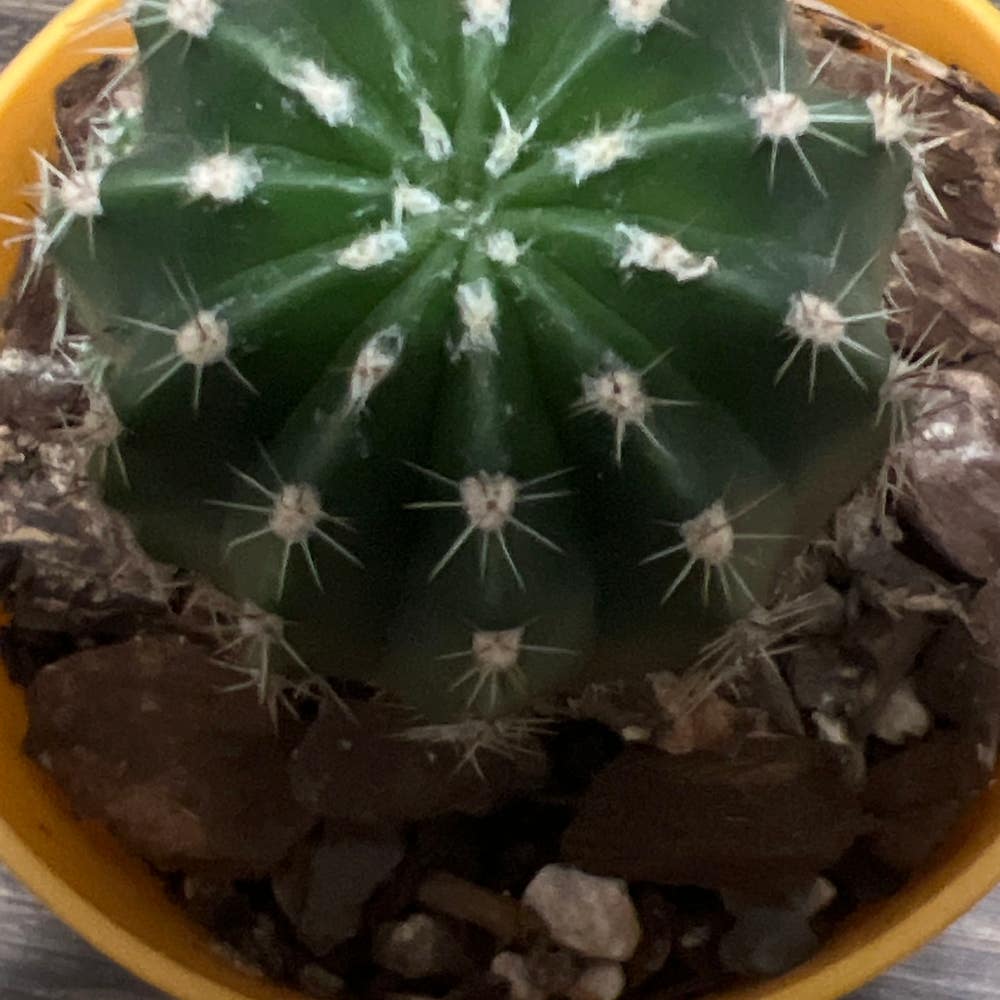
Echinopsis cacti are striking plants that can vary significantly in size and color. They typically range from 6 inches to an impressive 3 feet in height, depending on the species, showcasing a variety of hues including vibrant greens, soothing blue-greens, and even rich purples.
🌟 Unique Features
One of the most notable characteristics of Echinopsis is their spines. These spiny structures serve as a defense mechanism against herbivores, making the plants less appealing to potential threats.
🦜 Alluring Aspects for Animals
Echinopsis plants are not just visually appealing; they also attract a variety of animals.
Flowers
The flowers of Echinopsis are a major draw. They are bright, fragrant, and often bloom at night, making them irresistible to various pollinators and herbivores alike.
Fruits
The fruits produced by these cacti are fleshy and sweet, which is particularly appealing to birds and rodents. Their juicy texture provides a delightful snack for many creatures.
Young Shoots and Pads
Young shoots and pads are tender and nutritious, making them a favorite among herbivores. This vulnerability can be both a blessing and a curse for the plant, as it attracts a range of hungry visitors.
In summary, the combination of Echinopsis's striking appearance and its appealing parts creates a dynamic interaction with the surrounding ecosystem. Understanding these elements is crucial for gardeners looking to protect their plants while appreciating the beauty and complexity of nature.
Next, we will explore the common herbivores that affect Echinopsis and how to manage their impact.
Common Herbivores Affecting Echinopsis
🦌 Deer
Signs of presence and damage
Deer can be a significant threat to your Echinopsis. Look for distinct hoof prints nearby and evidence of browsing, such as leaves and young pads stripped from the plant.
Impact on Echinopsis (beneficial or harmful)
The impact of deer is generally harmful. They can severely damage or even kill young plants, making them a serious concern for gardeners.
Deterrent methods
To keep deer at bay, consider using commercial deer repellents with strong scents. Alternatively, planting deer-resistant species nearby or using human hair and soap shavings can serve as effective organic deterrents.
🐇 Rabbits
Signs of presence and damage
Rabbits leave behind small, round droppings and gnaw marks on pads. You may also notice cleanly cut edges on young shoots, indicating their presence.
Impact on Echinopsis (beneficial or harmful)
Like deer, rabbits are generally harmful to Echinopsis. Their feeding habits can lead to significant plant damage, especially in young specimens.
Deterrent methods
For rabbits, chemical repellents with a bitter taste can be effective. Organic solutions include erecting fencing at least 2 feet high and planting rabbit-resistant plants nearby.
🐿️ Squirrels
Signs of presence and damage
Squirrels can be quite destructive, leaving chewed pads and scattered debris from their digging. Look for holes or gnaw marks on the plant as signs of their activity.
Impact on Echinopsis (beneficial or harmful)
Squirrels generally cause harm to Echinopsis. Their activities can stress the plant and lead to damage over time.
Deterrent methods
To deter squirrels, consider using repellents with strong odors. Additionally, motion-activated sprinklers and reflective materials can scare them away effectively.
🐦 Birds
Signs of presence and damage
Birds can be both friends and foes. Look for peck marks on fruits and flowers, which indicate their presence, along with potential loss of fruits and flower damage.
Impact on Echinopsis (beneficial or harmful)
Birds have a mixed impact on Echinopsis. While they can damage fruits, they also play a crucial role in pollination, benefiting the overall health of your plants.
Deterrent methods
To protect your plants from birds, use bird deterrent sprays or cover them with netting. Scare devices like reflective tape can also help keep these feathered visitors at bay.
🐭 Rodents (mice, voles, etc.)
Signs of presence and damage
Rodents leave small holes in the ground and gnaw marks on pads. Their presence can lead to root damage and loss of young shoots.
Impact on Echinopsis (beneficial or harmful)
Rodents are generally harmful to Echinopsis. Their feeding can lead to significant plant decline, making them a nuisance for gardeners.
Deterrent methods
For rodent control, consider using bait stations. Organic options include traps and planting mint or other deterrent plants nearby.
🦡 Groundhogs/Woodchucks
Signs of presence and damage
Groundhogs leave large burrows and chewed pads as signs of their presence. Their feeding can result in significant loss of foliage and structural damage to the plant.
Impact on Echinopsis (beneficial or harmful)
The impact of groundhogs is generally harmful. They can decimate Echinopsis populations, posing a serious threat to your garden.
Deterrent methods
To deter groundhogs, use commercial repellents specifically designed for them. Organic methods include erecting fencing at least 3 feet high and applying castor oil as a deterrent.
Understanding these common herbivores and their impacts on Echinopsis is crucial for effective garden management. By implementing the right deterrent methods, you can protect your plants while fostering a healthy ecosystem. Next, let’s explore the beneficial animals that can enhance the health of your Echinopsis.
Beneficial Animals and Echinopsis
🐝 Pollinators: Nature's Helpers
Echinopsis flowers are a magnet for pollinators, especially bees and butterflies. Their vibrant colors and sweet scents create a welcoming environment, ensuring these essential creatures thrive.
🐦 Seed Dispersers: Birds at Work
Birds play a crucial role in the life cycle of Echinopsis by consuming its fruits. As they feast, they help spread seeds, promoting the growth of new plants in the surrounding area.
🌱 Positive Impacts on the Garden Ecosystem
The presence of beneficial animals enhances the overall health of your garden.
- Enhanced Pollination: Increased visits from pollinators lead to better fruit and seed production, ensuring a bountiful harvest.
- Natural Pest Control: Predatory insects, attracted by the diverse ecosystem, help keep harmful pests in check, reducing the need for chemical interventions.
By fostering a habitat that attracts these beneficial animals, you not only support Echinopsis but also contribute to a thriving garden ecosystem. This balance creates a vibrant environment where plants and animals coexist harmoniously.
As we explore further, understanding how to protect Echinopsis from herbivores while nurturing these beneficial relationships will be key to a flourishing garden.
General Strategies for Protection
🛡️ Preventive Measures for Protecting Echinopsis
Protecting your Echinopsis starts with effective preventive measures. Fencing is a straightforward solution; installing barriers around your garden can keep many herbivores at bay.
Another strategy is companion planting. By incorporating plants that deter herbivores, you can create a natural defense system that enhances your garden's resilience.
🐾 Reactive Solutions for Managing Animal Interactions
Even with the best preventive measures, you may still encounter herbivores. Regular monitoring for signs of damage is crucial; keep an eye out for any unusual nibbling or tracks around your plants.
When you notice herbivore activity, take immediate action. Quick responses can minimize damage and help your Echinopsis thrive.
🌱 Balancing Ecosystem Health While Protecting Echinopsis
It's essential to understand the role of herbivores in the ecosystem. While they can be a nuisance, they also contribute to the balance of nature.
Promoting beneficial interactions can lead to a healthier garden. By fostering a diverse environment, you can protect your Echinopsis while supporting the ecosystem around it.
These strategies not only safeguard your plants but also encourage a thriving garden ecosystem. Next, let’s explore the seasonal considerations that affect Echinopsis and its interactions with wildlife.
Seasonal Considerations
🌱 Seasonal Variations in Animal Attraction to Echinopsis
As the seasons change, so does the activity of herbivores around your Echinopsis. In spring, expect a surge of rabbits and deer, drawn to the tender new growth that emerges after winter.
By summer, the scene shifts. Birds flock to the vibrant flowers and sweet fruits, eager to feast on what your Echinopsis has to offer.
🕰️ Timing of Echinopsis Flowering and Fruiting in Relation to Herbivore Activity
Echinopsis typically bursts into bloom in late spring to early summer. This timing aligns perfectly with the arrival of pollinators, creating a lively atmosphere in your garden.
Fruiting occurs in late summer, which coincides with an increase in animal activity. Various creatures, from birds to small mammals, will be on the lookout for the delicious fruits, making this a critical time for your plants.
Understanding these seasonal patterns can help you anticipate and manage the interactions between your Echinopsis and local wildlife. By being proactive, you can protect your plants while enjoying the beauty and benefits they bring to your garden.
Toxicity and Safety
⚠️ Toxic Effects of Echinopsis on Animals
While Echinopsis cacti are generally safe, some species contain compounds that can be mildly toxic to certain animals. This toxicity can lead to digestive issues or other health problems if ingested.
🐾 Implications for Animal Interactions and Garden Safety
Understanding the potential toxicity of Echinopsis is crucial for managing herbivore populations. It helps protect the plants while ensuring that pets and wildlife remain safe in your garden.
Educating yourself and others about safe handling practices can prevent accidental poisoning. This knowledge empowers gardeners to create a safer environment for both their plants and the animals that visit.
By being aware of these risks, you can enjoy the beauty of Echinopsis while minimizing any negative interactions with local wildlife. This balance fosters a healthier garden ecosystem, allowing you to appreciate the vibrant life around your plants.
As you consider the safety aspects of Echinopsis, it's also essential to think about the beneficial animals that contribute positively to your garden. Let's explore how these creatures interact with your Echinopsis and enhance your gardening experience.
⚠️ Safety First
This content is for general information and may contain errors, omissions, or outdated details. It is not medical, veterinary advice, or an endorsement of therapeutic claims.
Always consult a qualified healthcare professional before using any plant as food, medicine, or supplement.
Never eat any plant (or feed one to pets) without confirming its identity with at least two trusted sources.
If you suspect poisoning, call Poison Control (800) 222-1222, the Pet Poison Helpline (800) 213-6680, or your local emergency service immediately.
Spotted an error? Please report it here.
Protect your Echinopsis from herbivores and pests with smart monitoring and effective deterrents, and let Greg provide you with tailored care tips and reminders to help your cacti 🌵 thrive in your garden!