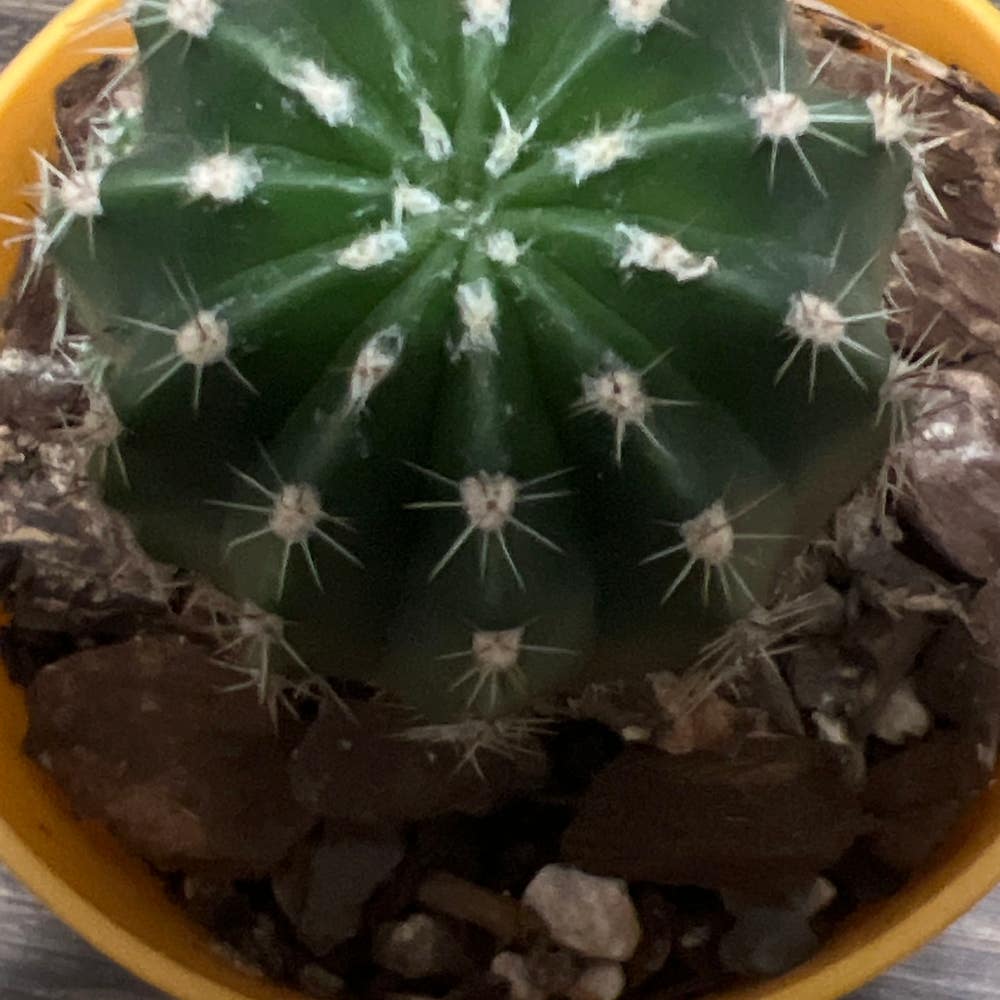
What to Do About Dropping Leaves on Your Echinopsis 🌸
Echinopsis 'Venus'
By the Greg Editorial Team
Nov 07, 2024•7 min read
This article was created with the help of AI so we can cover more plants for you. May contain errors. See one? Report it here.
- 🌱 Dropping leaves in Echinopsis often results from overwatering, underwatering, or environmental stress.
- 🌞 Bright, indirect sunlight is ideal; avoid direct sun to prevent leaf scorch.
- 🌡️ Maintain temperatures between 20°C to 30°C for optimal Echinopsis health and growth.
Leaf Drop Diagnosis
🌱 Causes of Leaf Drop
Understanding why your Echinopsis is dropping leaves is crucial for its health. The primary culprits often include overwatering, underwatering, and environmental stress.
Overwatering
Overwatering can lead to yellowing leaves and a mushy texture. This condition often results in root rot, which can ultimately cause leaf drop.
Underwatering
On the flip side, underwatering manifests as wrinkled leaves and a dry appearance. This stress can also lead to leaf drop if not addressed promptly.
Environmental Stress
Environmental factors like sudden temperature changes and low humidity can trigger leaf drop as a stress response. Keeping an eye on these conditions is essential for your plant's well-being.
🔍 Identifying Symptoms of Stress
Recognizing the symptoms of stress early can save your Echinopsis from further damage. Two key indicators are leaf yellowing and wilting.
Leaf Yellowing
Leaf yellowing can stem from nutrient deficiencies or overwatering. Early detection is vital, as it can prevent further leaf drop and promote recovery.
Leaf Wilting
Wilting leaves often indicate underwatering or exposure to extreme heat. This symptom signals an immediate need for care adjustments to revive your plant.
🌤️ Environmental Factors Affecting Leaf Health
Environmental conditions play a significant role in the health of your Echinopsis. Two critical factors are light exposure and temperature tolerance.
Light Exposure
Echinopsis thrives in bright, indirect sunlight. However, prolonged direct sunlight can scorch the leaves, leading to stress and potential leaf drop.
Temperature Tolerance
The optimal temperature range for Echinopsis is between 20°C to 30°C (68°F to 86°F). Exposure to frost or extreme heat can cause significant stress, making it essential to monitor temperature closely.
By understanding these causes and symptoms, you can take proactive steps to ensure your Echinopsis remains healthy and vibrant. Next, let's explore effective care strategies to prevent leaf drop.
Care to Prevent Leaf Drop
💧 Proper Watering Techniques
Watering your Echinopsis correctly is crucial for its health. Always allow the soil to dry completely between waterings to prevent overwatering.
In the growing season, you may need to water more frequently. However, during winter, reduce the frequency to avoid waterlogged soil.
🚰 Watering Method
When watering, ensure you do so thoroughly until water drains from the bottom of the pot. This method helps the roots absorb moisture effectively.
Avoid letting your plant sit in water, as this can lead to root rot and subsequent leaf drop.
🌱 Ideal Soil Composition
Choosing the right soil is essential for your cactus's well-being. A well-draining cactus mix or a blend of potting soil, sand, and perlite is highly recommended.
Aim for a soil pH between 6.0 and 7.0 to optimize nutrient uptake and support healthy growth.
☀️ Light Requirements
Echinopsis thrives in bright, indirect sunlight. Ideally, provide it with 6-8 hours of light daily for optimal growth.
If direct sunlight is too intense, consider using sheer curtains to diffuse the light and protect your plant from scorching.
🌡️ Temperature and Humidity Considerations
Temperature plays a significant role in your cactus's health. Echinopsis can tolerate temperatures as low as 10°C (50°F) but prefers warmer conditions for optimal growth.
Maintain low humidity levels, as overly humid environments can lead to rot. This balance is key to keeping your plant thriving and free from stress.
By following these care tips, you can significantly reduce the risk of leaf drop and ensure your Echinopsis remains healthy and vibrant. Next, let’s explore pest and disease management to further safeguard your plant’s health.
Pest and Disease Management
🐛 Common Pests and Their Impact
Echinopsis plants can fall victim to various pests, with mealybugs and spider mites being the most common.
Mealybugs
- Symptoms: Look for white, cottony masses on leaves.
- Impact: These sap-sucking pests weaken the plant, leading to stress and potential leaf drop.
Spider Mites
- Symptoms: Fine webbing and stippled leaves are telltale signs.
- Impact: If left unchecked, spider mites can cause significant leaf drop, jeopardizing your plant's health.
🦠 Identifying and Treating Diseases
In addition to pests, Echinopsis can suffer from diseases that require prompt attention.
Root Rot
- Symptoms: Watch for wilting, yellowing leaves, and a foul smell from the soil.
- Treatment: Remove affected roots and repot the plant in fresh, well-draining soil to restore health.
Fungal Infections
- Symptoms: Dark spots on leaves and unexpected leaf drop signal a fungal issue.
- Treatment: Apply fungicide and enhance air circulation around the plant to combat the infection.
🛡️ Preventative Measures
Taking proactive steps can save your Echinopsis from pests and diseases.
Regular Inspections
- Frequency: Conduct weekly checks for pests and signs of disease.
- Benefit: Early detection allows for swift action, minimizing damage.
Quarantine New Plants
- Importance: Always quarantine new plants before introducing them to your collection.
- Purpose: This practice prevents the spread of pests and diseases to your existing plants, keeping your garden healthy.
By staying vigilant and informed about pest and disease management, you can ensure your Echinopsis thrives. Next, let’s explore how to meet their fertilization and nutrient needs for optimal growth.
Fertilization and Nutrient Needs
Best Fertilizers 🌱
Choosing the right fertilizer is crucial for the health of your Echinopsis. A balanced, diluted cactus fertilizer with an NPK ratio of 10-10-10 is highly recommended.
Applying this fertilizer during the growing season, typically every 4-6 weeks, will provide your plant with the nutrients it needs to thrive.
Signs of Nutrient Deficiency ⚠️
It's essential to recognize the signs of nutrient deficiency early. Yellowing leaves often indicate a nitrogen deficiency, which can hinder your plant's growth.
Stunted growth is another red flag, signaling that your Echinopsis may be lacking essential nutrients.
Timing and Frequency of Fertilization ⏰
Timing your fertilization is key to supporting your cactus's growth. Fertilize from spring to early fall when the plant is actively growing.
During the dormancy period in winter, it's best to refrain from fertilizing, as your Echinopsis will not require additional nutrients during this time.
Understanding these fertilization practices can significantly enhance your Echinopsis's health and resilience. With the right care, you can prevent leaf drop and promote vibrant growth.
Next, let’s explore how seasonal changes affect your Echinopsis care routine.
Seasonal Care
🌱 Seasonal Changes and Their Effects
Understanding the seasonal changes is crucial for the health of your Echinopsis. During spring and summer, your cactus enters a growth phase, requiring increased watering and fertilization to thrive.
In contrast, fall and winter signal a dormancy phase. During this time, it's essential to reduce care, cutting back on watering and avoiding fertilizer altogether.
🔄 Adjusting Care Routines
Adjusting your care routine according to the seasons can make a significant difference. In spring and summer, water your Echinopsis more frequently to support its growth.
As the temperatures drop in fall and winter, allow the soil to dry out more between waterings. This helps prevent root rot and keeps your plant healthy.
❄️ Preparing for Winter Dormancy
Preparing your Echinopsis for winter dormancy is vital for its survival. If temperatures dip below 10°C (50°F), consider moving your cactus indoors to protect it from the cold.
Additionally, ensure your plant receives adequate light during the shorter winter days. This will help maintain its health and vigor throughout the dormant season.
By following these seasonal care tips, you can keep your Echinopsis thriving year-round. Next, let’s explore some common myths and misconceptions surrounding cactus care.
Myths and Misconceptions
Common Myths 🌵
One prevalent myth about cacti is that they don’t need water. This misconception can lead to neglect, especially for Echinopsis, which requires careful watering to thrive and avoid stress.
Clarifying Misconceptions 🔍
Another common misconception is that leaf drop is always due to pests. In reality, environmental factors and care practices play significant roles in the health of your Echinopsis.
Evidence-Based Practices 📚
Understanding the specific needs of Echinopsis is crucial. Proper care, including appropriate watering, light exposure, and temperature management, can prevent leaf drop and promote overall plant health.
By debunking these myths, you empower yourself to provide better care for your Echinopsis, ensuring it remains vibrant and healthy.
⚠️ Safety First
This content is for general information and may contain errors, omissions, or outdated details. It is not medical, veterinary advice, or an endorsement of therapeutic claims.
Always consult a qualified healthcare professional before using any plant as food, medicine, or supplement.
Never eat any plant (or feed one to pets) without confirming its identity with at least two trusted sources.
If you suspect poisoning, call Poison Control (800) 222-1222, the Pet Poison Helpline (800) 213-6680, or your local emergency service immediately.
Spotted an error? Please report it here.
Keep your Echinopsis thriving 🌱 by mastering its care with Greg's tailored reminders and expert tips to prevent leaf drop and promote vibrant growth!