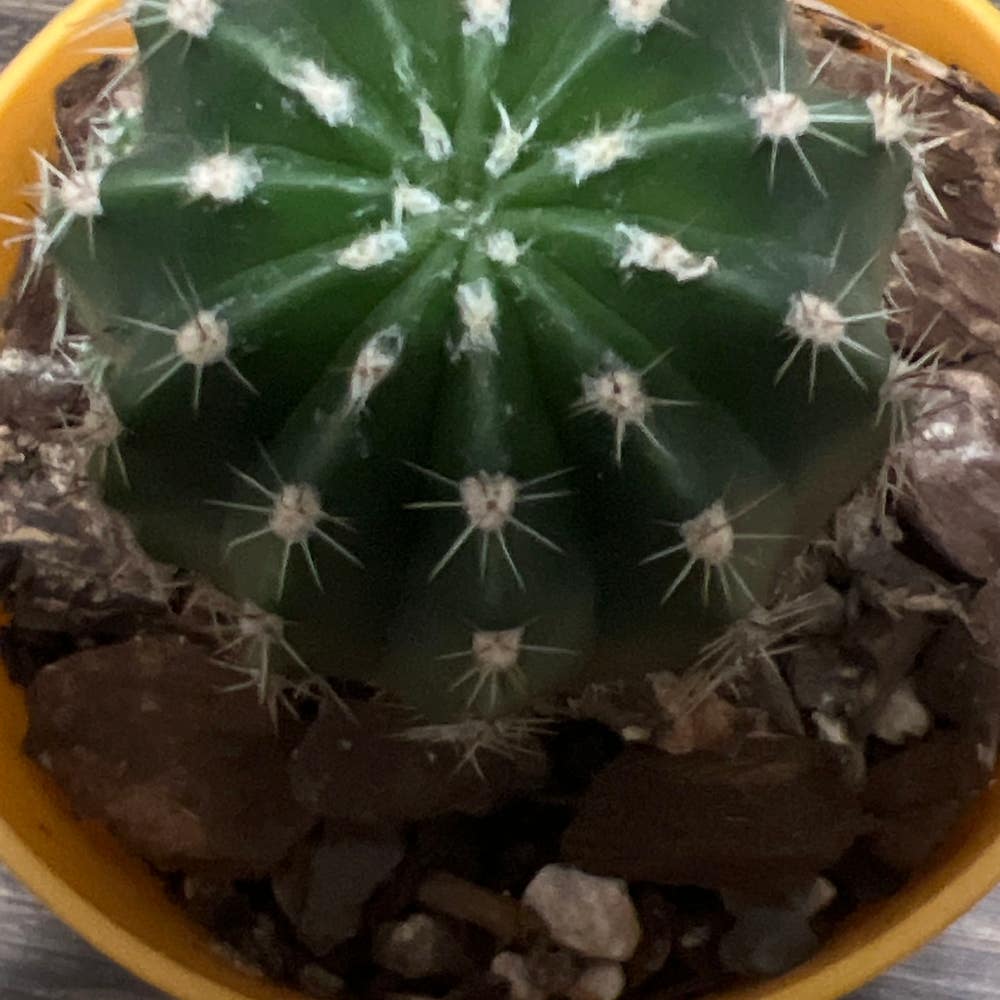
🌵 Understanding Why Your Echinopsis Is Wiling
Echinopsis 'Venus'
By the Greg Editorial Team
Nov 07, 2024•7 min read
This article was created with the help of AI so we can cover more plants for you. May contain errors. See one? Report it here.
- 💧 Wilting in Echinopsis often results from improper watering—either too much or too little.
- 🌞 Excessive heat and sunlight can stress your Echinopsis, causing wilting and browning.
- 🌱 Regular monitoring of soil moisture and environment is crucial for preventing wilting.
Common Causes of Wilting Leaves
💧 Water Stress
Wilting leaves on your Echinopsis can often be traced back to water stress. Symptoms include drooping stems and a shriveled appearance, signaling that your plant is not getting the moisture it needs.
Underwatering
Underwatering occurs when you don’t water your plant frequently enough, leading to dehydration. This can cause the plant to lose its vitality and resilience.
Overwatering
Conversely, overwatering can be just as detrimental. Excess moisture can lead to root rot, which ultimately results in wilting leaves and a decline in plant health.
🔥 Heat Stress
Heat stress is another common culprit behind wilting. Look for symptoms like browning tips and softening stems, which indicate your Echinopsis is struggling with high temperatures.
Excessive Sunlight Exposure
Direct sunlight for prolonged periods can scorch your plant. If you notice these symptoms, it might be time to reassess its sun exposure.
High Ambient Temperatures
Environments that exceed optimal temperature ranges can also stress your Echinopsis. Keeping your plant in a cooler, more stable environment can help mitigate this issue.
🦠 Uncommon Causes: Pathogenic Wilt
While most wilting is due to environmental factors, pathogenic wilt can occur but is less common. Signs include yellowing leaves and mushy stems, indicating potential disease.
It's essential to note that most wilting issues stem from care practices rather than disease. Regular monitoring and adjustments can often prevent these problems before they escalate.
Understanding these common causes will empower you to take proactive steps in caring for your Echinopsis. Next, we’ll explore how to diagnose wilting effectively, ensuring your plant gets back on track.
Diagnosing Wilting
Diagnosing why your Echinopsis is wilting can be a straightforward process if you follow a systematic approach. Here’s a step-by-step guide to help you identify the underlying issues.
📝 Step-by-Step Guide
Assess Watering Schedule
Start by checking the soil moisture level. Use a moisture meter or simply insert your finger into the soil to gauge its dampness.
Next, determine the last time you watered the plant to see if it aligns with its needs.Evaluate Environmental Conditions
Measure the temperature and humidity levels around your plant.
Also, observe how long your Echinopsis is exposed to sunlight each day, as this can significantly impact its health.Inspect the Plant
Look closely for any signs of pests or disease.
Gently remove the plant from its pot to check the root health, ensuring they are firm and not mushy.
👀 Signs to Look For
When diagnosing wilting, pay attention to visual indicators.
Color changes in leaves or a change in the texture of stems can signal distress.
Additionally, consider physical indicators such as the softness or firmness of stems.
Look for the presence of mold or rot, which can indicate overwatering or disease.
By following these steps and observing these signs, you can effectively diagnose the cause of your Echinopsis's wilting. This knowledge will empower you to take the necessary actions to restore your plant's health.
Next, let’s explore solutions for wilting leaves to help your Echinopsis thrive once again.
Solutions for Wilting Leaves
🌊 Addressing Water Stress
Water stress is a common culprit behind wilting Echinopsis. If your plant is underwatered, you’ll want to water it thoroughly until excess moisture drains out. Aim to water every 2-3 weeks during the growing season to keep it hydrated.
On the flip side, overwatering can lead to root rot. Allow the soil to dry out completely before rewatering. If you suspect root rot, consider repotting your Echinopsis in well-draining soil to promote recovery.
☀️ Addressing Heat Stress
Heat stress can also cause your Echinopsis to wilt. If you notice browning tips or softening stems, it might be time to relocate your plant. Move it to a shaded area during peak sunlight hours or use sheer curtains to diffuse sunlight indoors.
To help your plant cope with high temperatures, increase humidity around it using a pebble tray. Additionally, ensure there’s adequate air circulation around the plant to keep it cool and comfortable.
🦠 Addressing Disease-Related Wilting
While less common, disease-related wilting can occur. Start by identifying and removing any affected areas. Prune damaged leaves and stems using sterilized tools to prevent further spread.
If you suspect a fungal infection, apply fungicides as needed. Keep a close eye on your plant for signs of recovery after treatment to ensure it’s on the mend.
🌱 Techniques for Reviving a Wilted Echinopsis
If your Echinopsis is already wilting, there are several techniques to help revive it. One effective method is bottom watering. Place the pot in a shallow tray of water for about 30 minutes to allow the roots to absorb moisture.
You might also consider temporarily relocating your plant to a more suitable environment with stable conditions. Lastly, prune any severely wilted or damaged parts to encourage new growth and rejuvenate your Echinopsis.
By addressing these issues promptly, you can help your Echinopsis bounce back and thrive. Next, let’s explore preventive measures to keep your plant healthy and happy.
Preventive Measures
Best Practices 🌱
Establishing a consistent watering schedule is crucial for keeping your Echinopsis healthy. Consider using the Greg plant care app to set reminders, ensuring you never forget to hydrate your plant.
Regularly monitor environmental conditions to keep your cactus thriving. Adjust its placement based on seasonal changes, moving it to optimal light and temperature spots as needed.
Environmental Considerations 🌍
Creating ideal conditions is key to preventing wilting. Ensure your Echinopsis is planted in well-draining soil, receives full sunlight, and enjoys moderate temperatures.
Be mindful of stressors that can affect your plant's health. Limit exposure to extreme temperature fluctuations and drafts, which can lead to unnecessary wilting and distress.
By following these preventive measures, you can significantly reduce the chances of your Echinopsis experiencing wilting. This proactive approach not only enhances your plant's resilience but also deepens your connection with it.
Next, let’s explore the unique characteristics of Echinopsis and how they respond to environmental changes.
Unique Characteristics
Sensitivity to Environmental Changes 🌬️
Echinopsis cacti are remarkably sensitive to shifts in their environment. They respond quickly to changes in moisture and temperature, making them a bit of a diva in the plant world.
Wilting is often the first sign of distress, serving as a clear indicator that something is amiss. This sensitivity means that even minor fluctuations in their care routine can lead to noticeable changes in their health.
Impact of Stress on Health 😟
When stressed, Echinopsis can exhibit various symptoms, including wilting leaves and drooping stems. These signs are not just cosmetic; they reflect deeper issues that could affect the plant's overall vitality.
Understanding this sensitivity allows you to take proactive measures in your care routine. By closely monitoring your Echinopsis, you can catch potential problems early and keep your plant thriving.
In the next section, we’ll explore when it’s time to seek expert help for your wilting Echinopsis.
When to Seek Help
🆘 Signs That Require Expert Assistance
If your Echinopsis is wilting persistently despite your best care efforts, it may be time to seek professional help. This could indicate underlying issues that are beyond your control.
Look out for pests or signs of disease that are difficult to manage. If you notice unusual discoloration, mold, or an infestation, don’t hesitate to consult an expert.
📚 Resources for Owners
Local nurseries are a fantastic resource for expert advice and plant care supplies. They can provide tailored recommendations based on your specific situation.
Additionally, online communities can be invaluable. Engaging with fellow Echinopsis enthusiasts and plant care forums allows you to share experiences and gain insights from others who have faced similar challenges.
By leveraging these resources, you can ensure your Echinopsis receives the best care possible, leading to a healthier and happier plant.
⚠️ Safety First
This content is for general information and may contain errors, omissions, or outdated details. It is not medical, veterinary advice, or an endorsement of therapeutic claims.
Always consult a qualified healthcare professional before using any plant as food, medicine, or supplement.
Never eat any plant (or feed one to pets) without confirming its identity with at least two trusted sources.
If you suspect poisoning, call Poison Control (800) 222-1222, the Pet Poison Helpline (800) 213-6680, or your local emergency service immediately.
Spotted an error? Please report it here.
Keep your Echinopsis thriving 🌱 by using Greg's tailored watering reminders and environmental insights to prevent wilting and ensure it flourishes!