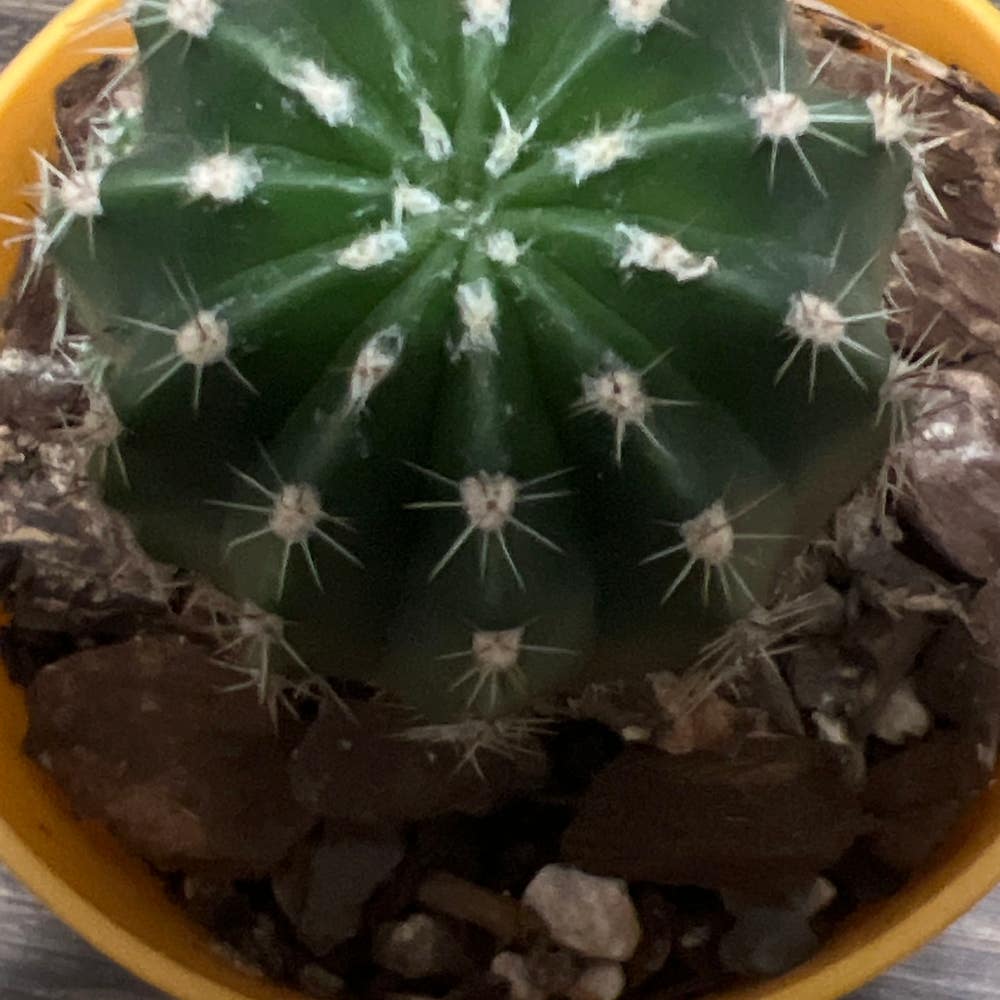
Echinopsis Zones 🌵
Echinopsis 'Venus'
By the Greg Editorial Team
Nov 07, 2024•4 min read
This article was created with the help of AI so we can cover more plants for you. May contain errors. See one? Report it here.
- 🌡️ Echinopsis cacti tolerate temperatures from 20°F to 100°F, thriving in warm climates.
- 🌵 Choose the right species for your climate; hardiness varies among Echinopsis types.
- 🌞 Full sunlight and well-drained soil are crucial for optimal Echinopsis growth.
Echinopsis Temperature Tolerance
❄️ Cold Tolerance
Echinopsis cacti are surprisingly resilient, with many species tolerating temperatures as low as 20°F (-6°C). However, prolonged exposure to frost can be detrimental, leading to damage or death.
Frost tolerance varies among species, making it essential to choose the right type for your climate. For instance, Echinopsis oxygona can withstand colder temperatures compared to Echinopsis chamaecereus, which is more sensitive to frost.
🔥 Heat Tolerance
In hot climates, Echinopsis thrives in temperatures reaching up to 100°F (38°C) or more. Their adaptations, such as thick, waxy skin, help minimize water loss and protect against intense sunlight.
Different Echinopsis varieties exhibit varying degrees of heat tolerance. For example, Echinopsis terscheckii is known for its ability to endure extreme heat, making it a favorite in desert gardens.
🌡️ Specific Temperature Ranges for Echinopsis
For optimal growth, Echinopsis prefers temperatures between 70°F and 85°F (21°C to 29°C). However, they can experience stress if temperatures dip below 50°F (10°C) or exceed 100°F (38°C).
Understanding these thresholds is crucial for successful cultivation. Keeping Echinopsis within their ideal temperature range ensures vibrant growth and flowering, allowing these stunning cacti to thrive in your garden.
With a solid grasp of temperature tolerance, you're ready to explore the ideal growing regions for Echinopsis.
Ideal Growing Regions for Echinopsis
🌵 Examples of US States Suitable for Echinopsis
Echinopsis cacti thrive in several US states, particularly those with warm, dry climates. Key states include:
- Arizona: Known for its arid desert climate, Arizona offers plenty of sunlight and minimal rainfall, ideal for Echinopsis.
- California: With its diverse climates, California provides regions that are perfect for these cacti, especially in the southern parts.
- Texas: The warm temperatures and varying landscapes in Texas create suitable conditions for Echinopsis growth.
These states share climate characteristics such as low humidity, ample sunlight, and well-drained soils, making them perfect for cultivating Echinopsis.
🌞 Factors Contributing to Ideal Growing Conditions
To ensure Echinopsis thrives, several environmental factors must be considered.
Soil Type and Drainage Requirements
Echinopsis prefers sandy or rocky soils that drain well. Poor drainage can lead to root rot, which is detrimental to these cacti.
Sunlight Exposure
Full sunlight is crucial for Echinopsis growth. Ideally, they should receive at least six hours of direct sunlight daily to flourish.
Watering Needs and Drought Resistance
Echinopsis is highly drought-resistant, requiring minimal watering. During the growing season, a deep soak every few weeks is sufficient, allowing the soil to dry out completely between waterings.
Understanding these factors will help you create the perfect environment for your Echinopsis, ensuring they thrive in your garden.
As we explore further, we'll delve into the fascinating world of microclimates and how they can influence Echinopsis growth.
Microclimates and Echinopsis
🌡️ How Microclimates Can Affect Echinopsis Growth
Microclimates play a significant role in the growth of Echinopsis cacti. These localized climate variations can create both beneficial and detrimental conditions for these resilient plants.
In urban areas, for instance, heat generated by buildings can create warmer pockets, allowing Echinopsis to thrive. Conversely, sheltered locations may trap cold air, posing risks during winter months.
🌍 Examples of Microclimate Effects in Various Regions
Coastal areas often present unique microclimates that can be advantageous for Echinopsis. The moderated temperatures and increased humidity can extend the growing season, making these regions ideal for cultivation.
Valleys, too, can create favorable conditions. They may offer protection from harsh winds and frost, allowing Echinopsis to flourish where they might otherwise struggle.
These microclimates not only enhance the growing range of Echinopsis but also highlight the adaptability of these cacti to diverse environments. Understanding these effects can help gardeners optimize their planting strategies and care routines.
As we explore the ideal growing regions for Echinopsis, consider how microclimates might influence your own gardening efforts.
State-Level Hardiness Zone Analysis
🌵 Suitable and Unsuitable States for Echinopsis
Echinopsis cacti thrive in specific hardiness zones, making some states ideal for their growth while others pose significant challenges. States like New Mexico, Nevada, Arizona, and California offer the warm, dry climates that Echinopsis loves.
In contrast, states such as Minnesota and Maine are unsuitable due to their extreme cold and prolonged frost periods. These harsh conditions can severely hinder Echinopsis survival, as they are not equipped to handle freezing temperatures.
❄️ Summary of Frost Dates and Their Impact on Echinopsis
Understanding frost dates is crucial for successful Echinopsis cultivation. The first and last frost dates vary widely across regions, impacting when you can plant these cacti.
For instance, in southern states, the growing season is longer, allowing for earlier planting. Conversely, northern regions with late frosts may require careful timing to protect Echinopsis from frost damage, ensuring they thrive in the right conditions.
With this knowledge, you can make informed decisions about when to plant and care for your Echinopsis, maximizing their growth potential.
⚠️ Safety First
This content is for general information and may contain errors, omissions, or outdated details. It is not medical, veterinary advice, or an endorsement of therapeutic claims.
Always consult a qualified healthcare professional before using any plant as food, medicine, or supplement.
Never eat any plant (or feed one to pets) without confirming its identity with at least two trusted sources.
If you suspect poisoning, call Poison Control (800) 222-1222, the Pet Poison Helpline (800) 213-6680, or your local emergency service immediately.
Spotted an error? Please report it here.
Cultivate thriving Echinopsis cacti 🌵 by using Greg's tailored care reminders and expert tips to match your plants with their perfect growing conditions!