Ultimate Guide to Bugs Eating Echinopsis 🐞
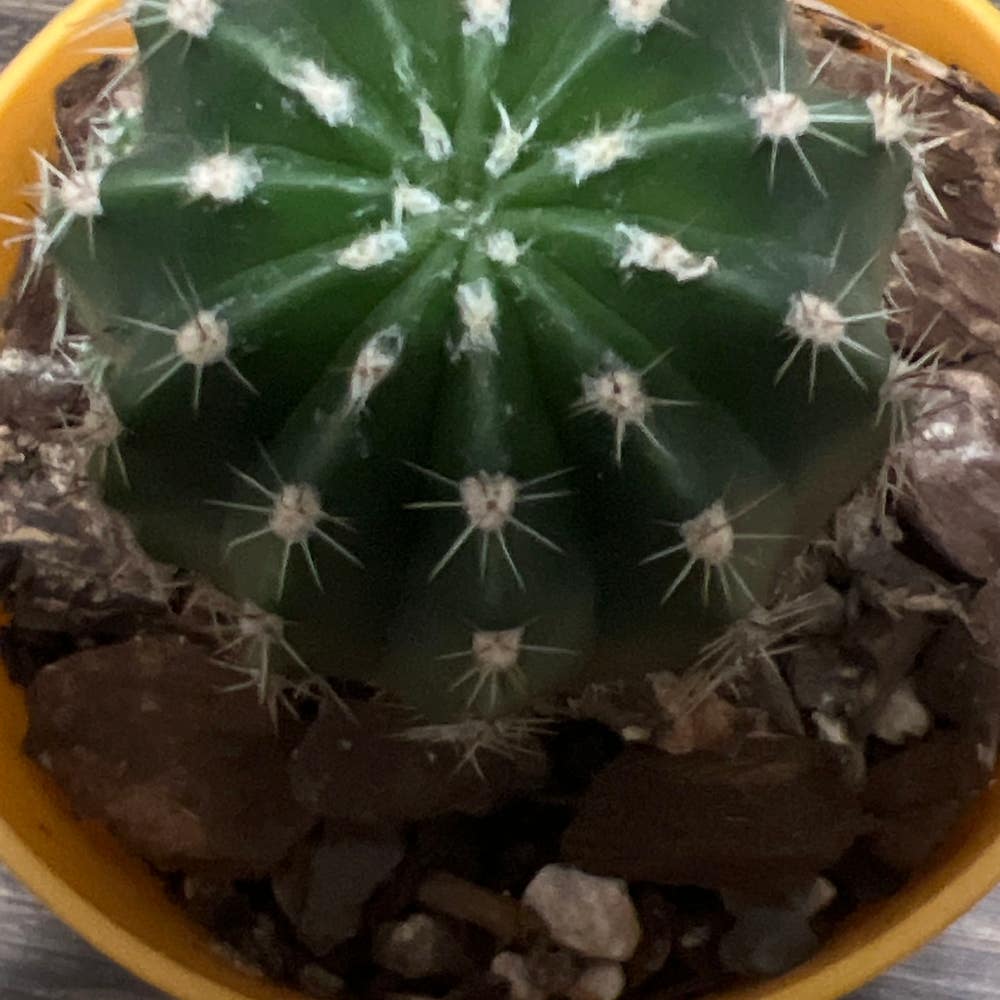
Echinopsis 'Venus'
By the Greg Editorial Team
Nov 07, 2024•7 min read
This article was created with the help of AI so we can cover more plants for you. May contain errors. See one? Report it here.
- 🕵️♂️ Early pest detection is crucial for Echinopsis health and longevity.
- 🌱 Regular inspections prevent infestations and maintain optimal plant conditions.
- 🐞 Know your pests: Identify mealybugs, scale, and aphids for effective management.
Importance of Pest Awareness
Early detection and intervention are crucial for maintaining the vitality of your Echinopsis plants. While these cacti are known for their resilience, they are not invincible and can fall prey to various pests.
Understanding the importance of pest awareness can save your plants from significant damage. Regular checks can help you catch infestations before they escalate, ensuring your Echinopsis remains healthy and thriving.
Stay vigilant! Even minor signs of pest activity can lead to bigger problems if ignored. By being proactive, you can protect your plants and enjoy their beauty for years to come.
🐜 Common Pests
In the next section, we will explore the common pests that threaten Echinopsis and how to identify them.
Common Pests
🕷️ Spider Mites
Identification
Spider mites are tiny, spider-like creatures that often hide on the undersides of leaves. Their presence can be subtle, so regular checks are essential.
Damage Caused
These pests cause yellowing and browning of leaves, significantly reducing photosynthesis. If left unchecked, they can lead to serious plant stress.
Treatment Options
For chemical treatment, use miticides specifically designed to target spider mites. Alternatively, organic options like neem oil, insecticidal soap, and increasing humidity around the plant can be effective.
🐞 Scale Insects
Identification
Scale insects are small, oval-shaped pests that resemble bumps on stems and leaves. Their camouflaged appearance makes them easy to overlook.
Damage Caused
They suck sap from the plant, which can weaken growth and potentially lead to dieback. This sap loss can severely impact the plant's vitality.
Treatment Options
In cases of severe infestations, systemic insecticides are recommended. For a more organic approach, manually remove them with a soft brush and follow up with neem oil.
🐛 Mealybugs
Identification
Mealybugs appear as white, cottony masses typically found in leaf axils and on stems. Their fluffy exterior can make them look harmless, but they are anything but.
Damage Caused
These pests can cause stunted growth and leaf drop due to sap loss. Their feeding habits can significantly weaken your Echinopsis.
Treatment Options
Chemical treatments include insecticidal sprays specifically targeting mealybugs. For an organic solution, use rubbing alcohol on a cotton swab to remove them, then apply neem oil.
🐜 Aphids
Identification
Aphids are small, soft-bodied insects that can be green, black, or brown. Their size and color can vary, but they are generally easy to spot.
Damage Caused
They weaken the plant and can transmit plant viruses, leading to further complications. Their rapid reproduction can quickly escalate an infestation.
Treatment Options
Broad-spectrum insecticides are effective against aphids. Alternatively, introducing ladybugs or using insecticidal soap can help control their population organically.
🦋 Whiteflies
Identification
Whiteflies are tiny, white, moth-like insects that fly away when disturbed. Their sudden movement can be a telltale sign of an infestation.
Damage Caused
These pests weaken the plant and can lead to the development of sooty mold. This mold can further hinder photosynthesis and overall plant health.
Treatment Options
For chemical control, use insecticides specifically formulated for whiteflies. Organic methods include yellow sticky traps and insecticidal soap to manage their numbers.
Understanding these common pests is crucial for maintaining the health of your Echinopsis. Early detection and appropriate treatment can make all the difference in keeping your plant thriving. Next, we’ll explore the natural pest resistance characteristics of Echinopsis and how to leverage them for better plant health.
Pest Resistance
🌱 Natural Pest Resistance Characteristics
Echinopsis cacti are known for their impressive resilience, largely due to their thick, waxy skin. This protective layer not only helps retain moisture but also acts as a barrier against many common pests.
🐞 Pests Less Likely to Affect Echinopsis
While no plant is entirely pest-proof, Echinopsis tends to be less affected by certain pests. For instance, root mealybugs and fungus gnats are often less problematic, as the cactus's tough exterior deters these invaders.
Additionally, pests like thrips and whiteflies may show up occasionally, but they rarely cause significant damage. This natural resistance makes Echinopsis a favorite among both novice and experienced gardeners, allowing them to enjoy these stunning plants with less worry about pest infestations.
Understanding these resistance characteristics can empower you to choose the right plants for your garden and manage pest issues effectively. With Echinopsis, you can cultivate a vibrant, thriving environment with confidence.
As we move forward, let's explore effective prevention strategies to keep your Echinopsis healthy and pest-free.
Prevention Strategies
🛡️ Preventative Measures
Regular inspections are your first line of defense against pests. By checking your Echinopsis frequently, you can catch early signs of trouble before they escalate.
Maintaining optimal growing conditions is equally crucial. A healthy plant is less susceptible to pests, so ensure it has the right light, water, and nutrients.
🧼 Plant Hygiene Tips
Keeping your plants clean is essential for pest prevention. Wipe down leaves to remove dust and any potential pest eggs that might be lurking.
Avoid overcrowding your plants. This improves air circulation, making it harder for pests to thrive and easier for your Echinopsis to breathe.
🔍 Regular Inspection Routines
Establishing a weekly inspection schedule can make a world of difference. Regular checks help you spot any issues early, allowing for prompt action.
By incorporating these strategies into your routine, you can significantly reduce the risk of pest infestations. This proactive approach not only protects your plants but also enhances their overall vitality.
With these prevention strategies in place, you’re well on your way to keeping your Echinopsis healthy and thriving. Next, let’s explore general pest management techniques that can help you tackle any issues that do arise.
General Pest Management
🌱 Integrated Pest Management (IPM) Principles
Integrated Pest Management (IPM) is a comprehensive strategy that combines various management practices to control pests effectively. It emphasizes understanding the pest's life cycle, monitoring populations, and using a mix of biological, cultural, physical, and chemical methods to minimize damage while reducing reliance on pesticides.
IPM promotes a balanced approach, focusing on long-term prevention rather than just immediate fixes. By fostering a healthy ecosystem, you can create conditions that deter pests naturally, allowing your Echinopsis to thrive.
🔍 Importance of Early Detection and Intervention
Early detection is crucial in pest management. Identifying pests at their initial stages can prevent minor issues from escalating into severe infestations.
Regular monitoring and prompt action can save your plants from significant damage. By staying vigilant, you can maintain the vitality of your Echinopsis and ensure it continues to flourish in your care.
With a solid understanding of pest management principles, you can now explore how to distinguish between similar pests, enhancing your ability to protect your plants effectively.
Distinguishing Between Similar Pests
🕵️♂️ Tips for Identifying Different Pests
Identifying pests can be tricky, especially when they look similar. For instance, mealybugs and scale insects both suck sap from your Echinopsis, but they have distinct appearances that can help you tell them apart.
🔍 Characteristics to Differentiate Pests
When examining your plants, pay attention to specific features. Mealybugs are covered in a white, cottony substance, while scale insects appear as small, oval bumps on stems and leaves.
- Body Shape: Mealybugs are more elongated, whereas scale insects are flatter and round.
- Color: Mealybugs are typically white, while scale can range from brown to green.
- Feeding Habits: Mealybugs often cluster in leaf axils, while scale insects tend to attach themselves firmly to the plant's surface.
By honing in on these characteristics, you can accurately identify the pests affecting your Echinopsis. This knowledge is crucial for effective treatment and prevention strategies.
Understanding these distinctions not only helps in pest management but also enhances your overall gardening experience. With the right information, you can keep your plants thriving and pest-free.
⚠️ Safety First
This content is for general information and may contain errors, omissions, or outdated details. It is not medical, veterinary advice, or an endorsement of therapeutic claims.
Always consult a qualified healthcare professional before using any plant as food, medicine, or supplement.
Never eat any plant (or feed one to pets) without confirming its identity with at least two trusted sources.
If you suspect poisoning, call Poison Control (800) 222-1222, the Pet Poison Helpline (800) 213-6680, or your local emergency service immediately.
Spotted an error? Please report it here.
Stay ahead of pesky invaders and keep your Echinopsis thriving 🌵 by using Greg's tailored care reminders and pest identification tools to catch issues early and maintain a healthy plant ecosystem!