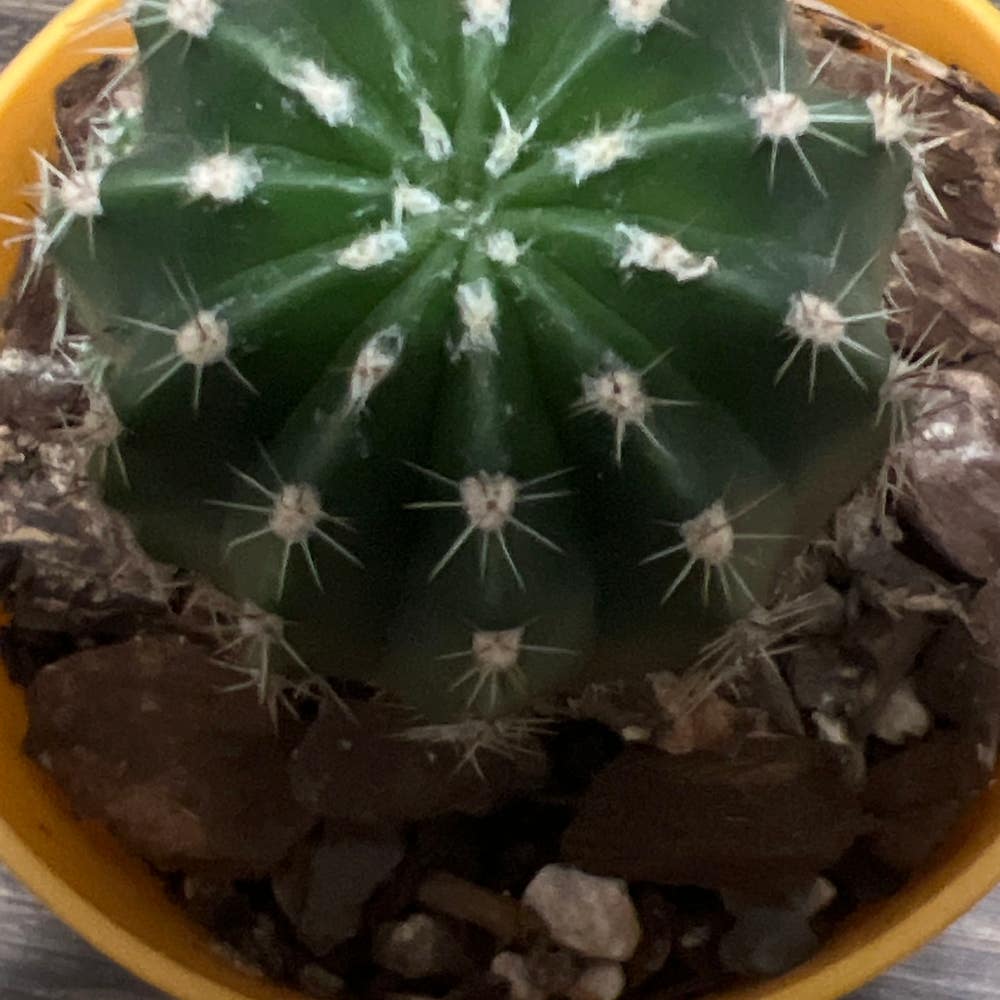
5 Tips for Healing Leaves Falling Over on Your Echinopsis 🌵
Echinopsis 'Venus'
By the Greg Editorial Team
Nov 07, 2024•5 min read
This article was created with the help of AI so we can cover more plants for you. May contain errors. See one? Report it here.
- 💧 Overwatering and underwatering both cause drooping leaves; balance is crucial.
- 🌞 Echinopsis needs 6-8 hours of sunlight daily to thrive and prevent leaf stress.
- 🐛 Inspect for pests regularly; treat infestations promptly with insecticidal soap or neem oil.
Causes of Leaves Falling Over
💧 Overwatering
Overwatering is a common culprit behind drooping leaves on your Echinopsis. When the roots sit in waterlogged soil, they can rot, leading to weak, lifeless foliage.
🚰 Underwatering
On the flip side, underwatering can also stress your plant. If the soil dries out too much, the leaves may start to droop as the plant struggles to retain moisture.
🌬️ Environmental Stress
Sudden changes in temperature or exposure to drafts can shock your Echinopsis. These environmental stresses can cause the leaves to fall over as the plant tries to cope with unfavorable conditions.
🥦 Nutrient Deficiencies
A lack of essential nutrients can significantly impact leaf health. If your Echinopsis isn't getting the right minerals, it may exhibit drooping leaves as a sign of distress.
Understanding these causes is crucial for effective plant care. By identifying the issue, you can take the necessary steps to revive your Echinopsis and keep it thriving.
Diagnosing the Problem
Assessing Watering Practices 💧
To keep your Echinopsis thriving, understanding its watering needs is crucial. During active growth, aim to water every 2-3 weeks, adjusting based on the season.
Check the soil moisture by inserting your finger or a moisture meter about 1-2 inches deep. If the soil feels soggy, you might be overwatering, which can lead to mushy roots and yellowing leaves.
Evaluating Light Exposure ☀️
Echinopsis plants crave sunlight, requiring full sun for 6-8 hours daily to flourish. If you notice your plant stretching or its leaves turning pale, it may not be getting enough light.
To remedy this, consider relocating your plant to a brighter spot or supplementing with grow lights. Proper light exposure is key to maintaining healthy, vibrant growth.
Checking for Pests and Diseases 🐛
Pests can be a hidden threat to your Echinopsis. Common culprits include mealybugs, spider mites, and scale insects, which can cause significant damage if left unchecked.
Look for signs of infestation, such as sticky residue, webbing, or visible insects on the plant. Additionally, be aware of diseases like root rot and fungal infections, which can stem from poor care. Regularly inspect under leaves and at soil level to catch any issues early.
By diagnosing these potential problems, you can take proactive steps to restore your Echinopsis to its full glory. Next, let’s explore effective treatment and recovery methods to revive your drooping plant.
Treatment and Recovery
Step-by-step Guide to Reviving Drooping Echinopsis 🌱
Reviving your drooping Echinopsis starts with assessing your watering practices. Adjust the frequency based on the soil moisture; it’s crucial to ensure the plant isn’t sitting in soggy soil.
Next, improve drainage by confirming that your pot has adequate drainage holes. If necessary, consider repotting to a container that allows excess water to escape.
Light exposure is another key factor. If your plant isn’t getting enough sunlight, move it to a sunnier location to boost its recovery.
If you suspect pests, treat them promptly. Use insecticidal soap or neem oil to combat infestations effectively.
Finally, monitor your plant for signs of recovery over the next few weeks. Look for improved leaf health and overall vigor.
Recommended Soil and Potting Techniques 🌿
Choosing the right soil is essential for your Echinopsis. Opt for a well-draining cactus mix, or create your own by combining one part potting soil, one part sand, and one part perlite.
Repotting is necessary every 2-3 years or when your plant becomes root-bound. This ensures it has enough space to grow and thrive.
When selecting a pot, always choose one with drainage holes. The right size pot will also help prevent overwatering and promote healthy root development.
With these treatment and recovery steps, your Echinopsis will be on its way to vibrant health. Next, let’s explore some preventative measures to keep your plant thriving long-term.
Preventative Measures
🌵 Best Practices for Echinopsis Care
To keep your Echinopsis thriving, establish a consistent watering schedule. Adjust your frequency based on the season—water less in winter and more during the active growth of spring and summer.
Light exposure is crucial for your cactus's health. Ensure it receives adequate sunlight throughout the year, ideally 6-8 hours of direct light daily.
Fertilization is another key aspect of care. Use a diluted cactus fertilizer during the growing season to provide essential nutrients without overwhelming the plant.
📅 Seasonal Care Tips
Spring is a time of renewal for your Echinopsis. Increase watering and fertilization as growth resumes, giving your plant the boost it needs.
In summer, keep a close eye on pests. Ensure consistent light exposure and monitor for any signs of infestation to maintain your cactus's health.
As fall approaches, gradually reduce watering. This helps your plant prepare for dormancy, allowing it to conserve energy.
During winter, minimize watering and protect your Echinopsis from cold drafts. This will help it survive the dormant period and emerge strong in the spring.
By following these preventative measures, you can ensure your Echinopsis remains healthy and vibrant throughout the year. Now, let’s dive into diagnosing any issues that may arise with your plant.
⚠️ Safety First
This content is for general information and may contain errors, omissions, or outdated details. It is not medical, veterinary advice, or an endorsement of therapeutic claims.
Always consult a qualified healthcare professional before using any plant as food, medicine, or supplement.
Never eat any plant (or feed one to pets) without confirming its identity with at least two trusted sources.
If you suspect poisoning, call Poison Control (800) 222-1222, the Pet Poison Helpline (800) 213-6680, or your local emergency service immediately.
Spotted an error? Please report it here.
Revive your Echinopsis and prevent drooping leaves 🌵 by using Greg's tailored watering reminders and expert care tips to keep your cactus thriving!