🌵 Dealing with Droopy Leaves on Your Echinopsis
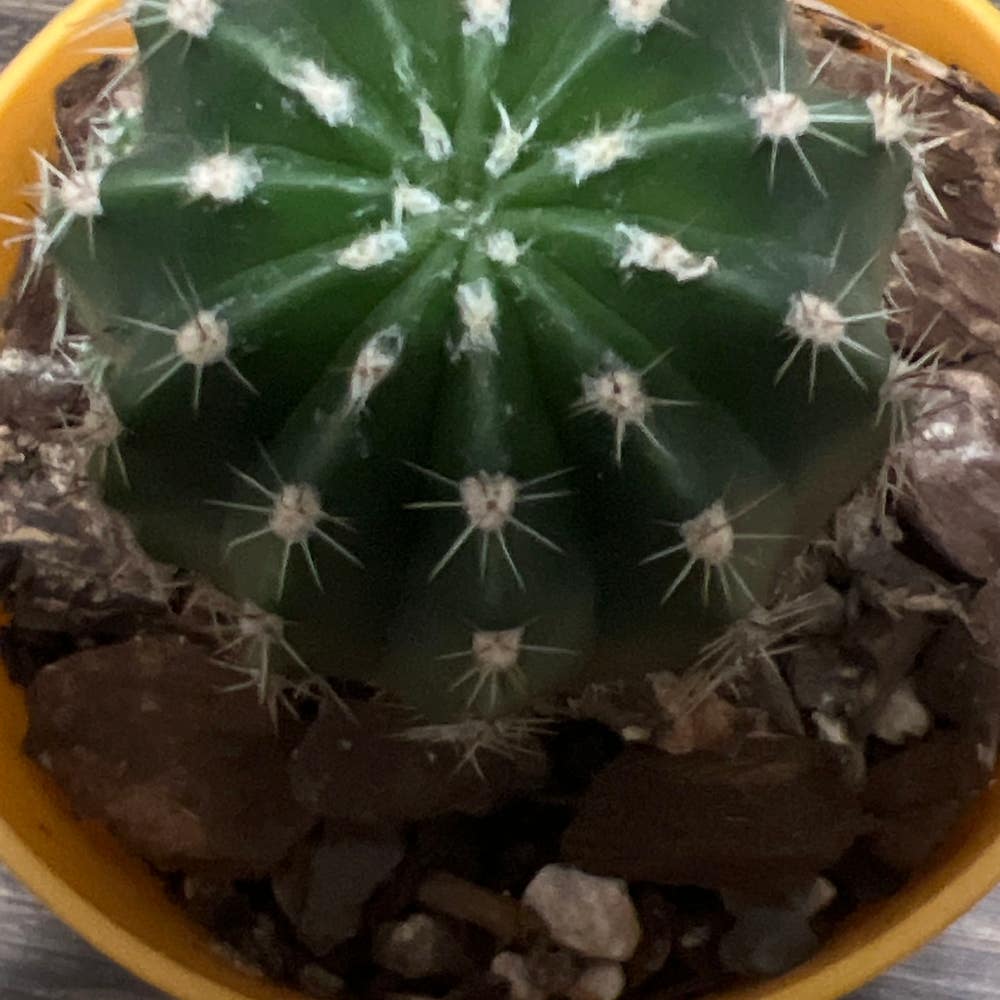
Echinopsis 'Venus'
By the Greg Editorial Team
Nov 07, 2024•5 min read
This article was created with the help of AI so we can cover more plants for you. May contain errors. See one? Report it here.
- 🌵 Droopy leaves indicate issues like overwatering, underwatering, or environmental stress.
- 💧 Proper watering practices are crucial; let soil dry out before rewatering.
- 🐛 Regular pest inspections can prevent drooping caused by infestations and diseases.
Causes of Droopy Leaves
🌵 Cactus Leaf Droop Causes
Droopy leaves on your Echinopsis can be a sign of several underlying issues. Understanding these causes is crucial for restoring your cactus to its vibrant self.
💧 Overwatering
One of the most common culprits is overwatering. Excess moisture can lead to root rot, which severely affects the plant's health.
🚰 Underwatering
On the flip side, underwatering can also cause droop. Insufficient moisture leads to dehydration, making the leaves appear limp and lifeless.
🌪️ Environmental Stress
Environmental stress is another factor to consider. Sudden temperature changes or high humidity can shock your cactus, resulting in droopy leaves.
🥦 Nutrient Deficiencies
A lack of essential nutrients can hinder growth and contribute to drooping. Nutrient deficiencies often manifest in various ways, impacting the overall vitality of your plant.
🐛 Pest Infestations
Pest infestations can weaken your cactus structure. Common pests like mealybugs and spider mites can cause significant damage, leading to droopy leaves.
🦠 Disease Presence
Lastly, diseases such as fungal or bacterial infections can be detrimental. These infections often result in wilting and drooping, making it essential to monitor your plant's health closely.
Understanding these causes will help you take the necessary steps to revive your Echinopsis. Next, we’ll explore the symptoms to look for that indicate your cactus is struggling.
Symptoms to Look For
When your Echinopsis starts to droop, it’s essential to recognize the visual indicators. Look for wilting leaves, which may appear limp and lifeless, signaling that something is off.
Discoloration is another critical sign. If the leaves turn yellow or develop brown tips, it’s a clear indication that your cactus is struggling. Additionally, a soft texture can suggest that the plant is suffering from overwatering or disease.
Keep an eye out for mushy areas on the plant. These spots can indicate rot, which requires immediate attention to prevent further damage.
By being vigilant about these symptoms, you can take proactive steps to restore your Echinopsis to its vibrant self. Next, let’s explore effective watering practices to keep your cactus healthy and thriving.
Watering Practices
Overwatering Signs and Solutions 🌊
Overwatering is a common issue for Echinopsis owners. Signs of overwatering include yellowing leaves and a mushy texture, which indicate that your cactus is struggling.
If you inspect the roots and find them dark and mushy, root rot may have set in. This condition can be detrimental, but there are effective solutions to revive your plant.
- Allow the soil to dry out completely before rewatering. This helps prevent further root damage.
- If root rot is present, repot your cactus in fresh, well-draining soil to encourage recovery.
- Adjust your watering frequency based on seasonal changes, ensuring your cactus gets the right amount of moisture throughout the year.
Underwatering Signs and Solutions 💧
On the flip side, underwatering can also lead to droopy leaves. Signs of underwatering include wrinkled or shriveled leaves and dry soil that pulls away from the pot edges.
To remedy this situation, follow these solutions:
- Water thoroughly until moisture drains from the bottom of the pot, ensuring the roots absorb enough water.
- Establish a consistent watering schedule, typically every 2-3 weeks, to keep your cactus hydrated.
- Consider using the Greg plant care app for AI-powered reminders, helping you stay on track with your watering routine.
By mastering these watering practices, you can keep your Echinopsis healthy and vibrant. Next, let’s explore the environmental factors that can also affect your cactus's health.
Environmental Factors Affecting Droop
🌞 Light Requirements and Droop Correlation
Echinopsis cacti thrive in full sun, requiring 6-8 hours of direct sunlight daily. Without adequate light, these plants may exhibit signs of distress, such as stretching or leaning towards light sources, indicating they are not getting enough energy to grow strong.
Insufficient light can lead to weak growth, resulting in droopy leaves. This is a clear signal that your cactus is struggling and needs a brighter spot to flourish.
🌡️ Temperature and Humidity Effects
Maintaining the right temperature is crucial for your Echinopsis. The ideal range is 20°C to 30°C (68°F to 86°F) during the day, while nighttime temperatures should not drop below 10°C (50°F).
Humidity plays a significant role as well. Echinopsis prefers low humidity; excessive moisture can lead to fungal issues. If you notice sudden leaf droop after temperature fluctuations, it’s likely a sign of environmental stress that needs addressing.
Understanding these environmental factors can help you create the perfect habitat for your cactus, ensuring it remains healthy and vibrant. Next, we’ll explore how to identify and manage pests and diseases that can also contribute to droopy leaves.
Pest and Disease Management
🐜 Common Pests Affecting Echinopsis
Identifying pests early is crucial for maintaining the health of your Echinopsis. Mealybugs are a common nuisance, appearing as white, cotton-like masses on stems and leaves.
Another frequent offender is the spider mite, which leaves fine webbing and stippled leaves in its wake. These pests can weaken your cactus, leading to droopy leaves if not addressed promptly.
🧼 Control Methods
To combat these pests, consider using neem oil or insecticidal soap. These treatments are effective and relatively safe for your plant.
Regular inspections are key. By checking your cactus frequently, you can catch infestations early and prevent serious damage.
🌱 Diseases That Cause Droopy Leaves
Fungal infections are a significant threat to Echinopsis, with root rot being the most common. This condition arises from overwatering and poor drainage, leading to wilting, yellowing, and mushy roots.
Bacterial infections also pose risks. Look for signs like dark spots and soft tissue on your plant.
🚫 Prevention Strategies
To prevent these diseases, ensure proper watering practices and good air circulation around your cactus. This will help maintain a healthy environment and keep your Echinopsis thriving.
Understanding these pests and diseases empowers you to take proactive steps. With the right care, your cactus can flourish, avoiding the droop that signals distress. Next, let’s explore the environmental factors that can affect your Echinopsis and contribute to leaf droop.
⚠️ Safety First
This content is for general information and may contain errors, omissions, or outdated details. It is not medical, veterinary advice, or an endorsement of therapeutic claims.
Always consult a qualified healthcare professional before using any plant as food, medicine, or supplement.
Never eat any plant (or feed one to pets) without confirming its identity with at least two trusted sources.
If you suspect poisoning, call Poison Control (800) 222-1222, the Pet Poison Helpline (800) 213-6680, or your local emergency service immediately.
Spotted an error? Please report it here.
Revive your Echinopsis and keep those leaves perky 🌵 with Greg's personalized watering reminders and pest monitoring to ensure your cactus thrives in its ideal environment!