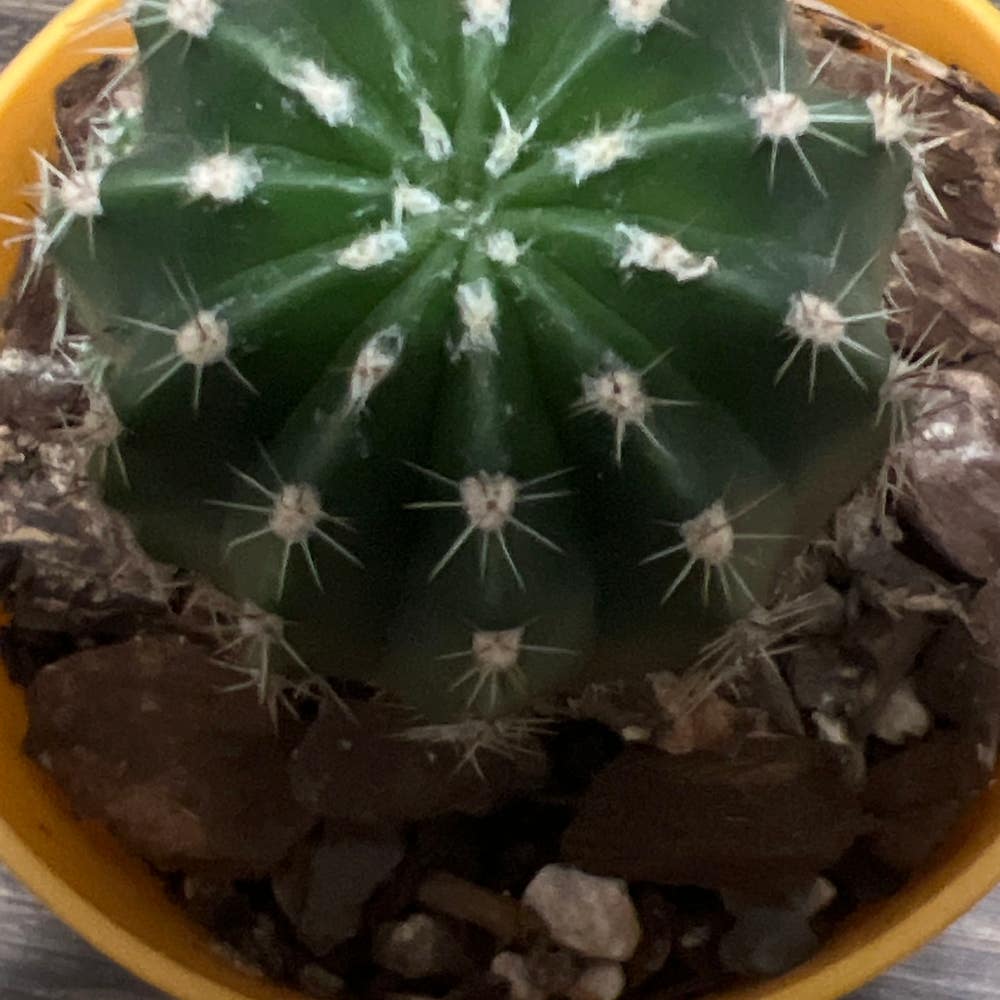
🌵 Understanding Echinopsis Height
Echinopsis 'Venus'
By the Greg Editorial Team
Nov 07, 2024•5 min read
This article was created with the help of AI so we can cover more plants for you. May contain errors. See one? Report it here.
- 🌵 Echinopsis heights vary from 1 to 6 feet, depending on species and conditions.
- ☀️ Optimal growth requires 6-8 hours of sunlight and well-draining soil.
- 💧 Watering balance is crucial; avoid drought stress and root rot for healthy growth.
Mature Height and Spread
Mature Height 🌵
Echinopsis cacti can vary significantly in height, typically ranging from 1 to 3 feet, depending on the species. For instance, Echinopsis oxygona can reach up to 3 feet tall, making it a striking addition to any garden, while Echinopsis chamaecereus usually stays under 1 foot, perfect for smaller spaces.
Mature Spread 📏
When it comes to spread, Echinopsis generally averages between 1 to 2 feet. Several factors influence this spread, including the specific characteristics of the species and the growing conditions they experience.
Understanding these dimensions is crucial for planning your garden layout and ensuring your Echinopsis thrives. With the right care, these cacti can become stunning focal points in your landscape.
Next, let’s explore the growth rate and timeframe for these fascinating plants to reach their full size.
Growth Rate and Timeframe to Reach Full Size
🌱 Growth Rate
Echinopsis cacti exhibit a fascinating range of growth rates. Some species can grow several inches per year under optimal conditions, while others may take years to reach their mature dimensions.
Several factors influence this growth rate, including the specific species type and the environmental conditions in which they are grown.
⏳ Timeframe to Reach Full Size
On average, Echinopsis cacti take about 3 to 10 years to reach their full size, but this can vary significantly based on species and growing conditions.
Key factors that influence this timeframe include:
- Soil Quality: Nutrient-rich soils can significantly accelerate growth.
- Light Exposure: Adequate sunlight is crucial for enhancing growth rates.
- Watering Practices: Consistent watering helps promote faster growth.
Understanding these elements can help you cultivate a thriving Echinopsis, ensuring you enjoy their beauty sooner rather than later.
As you explore the nuances of Echinopsis growth, consider how environmental factors can shape their size and health. This knowledge will be invaluable as we delve into the size variability among different species.
Size Variability Among Species
Size Differences 🌱
Echinopsis cacti showcase remarkable size variability, making them a fascinating group for enthusiasts. Some species can tower impressively, while others remain petite.
For instance, Echinopsis terscheckii can reach heights of up to 6 feet under optimal conditions, creating a striking presence in any garden. In contrast, Echinopsis subdenudata typically stays under 1 foot, perfect for smaller spaces or container gardening.
Environmental Factors Impacting Size 🌍
The size of Echinopsis cacti is heavily influenced by their growing conditions.
Soil type plays a crucial role; well-draining soils are essential for promoting healthier growth and preventing root issues.
Additionally, light exposure significantly affects their development. Cacti that receive full sun thrive, while those in partial shade may experience stunted growth and reduced size.
Understanding these factors can help you cultivate the ideal environment for your Echinopsis, ensuring they reach their full potential.
As we explore further, we'll delve into how specific growing conditions can enhance or hinder the growth of these captivating plants.
Influence of Growing Conditions
🌱 Soil Type
The type of soil you choose for your Echinopsis can significantly impact its growth. Well-draining soil is crucial for healthy root development, while heavy, compacted soil can lead to root rot and stunted growth.
For optimal growth, consider using a mix of potting soil, sand, and perlite. This combination ensures good drainage and aeration, allowing your cactus to thrive.
☀️ Light Exposure
Echinopsis cacti thrive in full sun, requiring 6 to 8 hours of direct sunlight daily. Insufficient light can lead to stunted growth and smaller plants, as these cacti rely on sunlight for energy.
If you notice your cactus stretching or leaning, it may be a sign it's not getting enough light. Adjust its position to ensure it receives ample sunlight for robust growth.
💧 Watering Practices
Consistent watering is vital for preventing drought stress in Echinopsis. These cacti prefer a dry environment, but they still need regular watering during the growing season to flourish.
However, be cautious of overwatering, which can lead to root rot and reduced growth. Always allow the soil to dry out between waterings to maintain a healthy balance.
🌡️ Temperature and Climate
Echinopsis cacti thrive in temperatures ranging from 70°F to 100°F (21°C to 38°C). Extreme temperatures, whether too hot or too cold, can adversely affect their growth and overall size.
In colder climates, consider bringing your cacti indoors during winter months to protect them from frost. Maintaining the right temperature is key to ensuring your Echinopsis reaches its full potential.
Understanding these growing conditions will help you create the ideal environment for your Echinopsis. With the right soil, light, watering, and temperature, your cacti can flourish beautifully.
Next, let’s explore size control techniques to manage your Echinopsis effectively.
Size Control Techniques
✂️ Pruning Methods
Pruning is essential for managing the size and shape of your Echinopsis. The best time to prune is during the growing season, using clean, sharp tools to make precise cuts.
This technique encourages bushier growth and helps control height, allowing your cactus to thrive in its environment. Regular pruning can also remove any dead or damaged sections, promoting overall health.
🪴 Managing Growth in Confined Spaces
Container gardening is a fantastic way to keep Echinopsis manageable. Choosing the right pot size is crucial; a pot that’s too large can lead to excessive growth, while a smaller pot can restrict root development.
Training methods, such as using supports, can also help manage growth. This approach allows you to guide your cactus into a desired shape while keeping it healthy.
🌱 Fertilization Practices
Fertilization plays a significant role in promoting growth. Balanced fertilizers are great for general health, while high-phosphorus options can encourage blooming.
Timing is key when fertilizing your Echinopsis. Applying fertilizer during the growing season, typically in spring and summer, can maximize growth potential and ensure your cactus remains vibrant and healthy.
These size control techniques will help you cultivate a thriving Echinopsis, whether in your garden or a confined space. Next, we’ll explore the influence of growing conditions on these beautiful cacti.
⚠️ Safety First
This content is for general information and may contain errors, omissions, or outdated details. It is not medical, veterinary advice, or an endorsement of therapeutic claims.
Always consult a qualified healthcare professional before using any plant as food, medicine, or supplement.
Never eat any plant (or feed one to pets) without confirming its identity with at least two trusted sources.
If you suspect poisoning, call Poison Control (800) 222-1222, the Pet Poison Helpline (800) 213-6680, or your local emergency service immediately.
Spotted an error? Please report it here.
Unlock the potential of your Echinopsis cacti to become stunning focal points in your garden 🌵 by using Greg's personalized care tips and watering reminders to ensure they thrive!