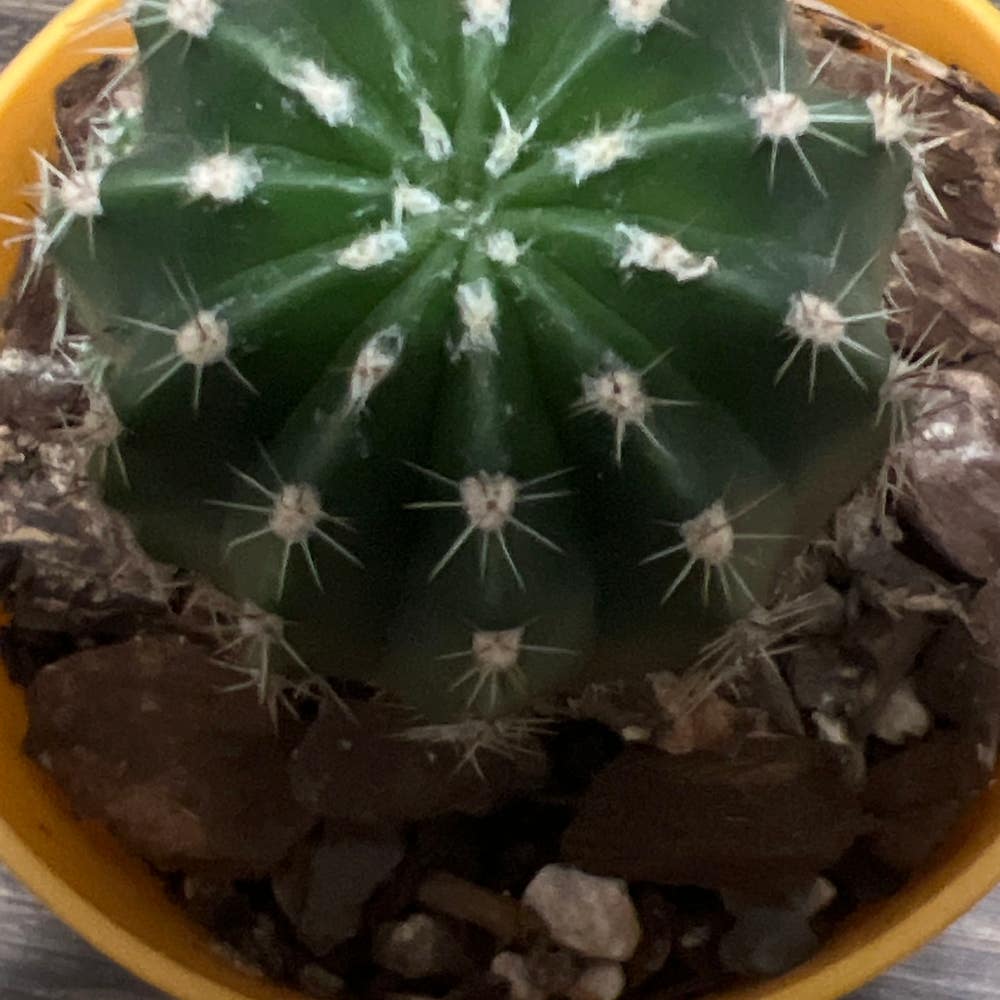
🌵 4 Tips for Healthy Echinopsis Roots
Echinopsis 'Venus'
By the Greg Editorial Team
Nov 07, 2024•7 min read
This article was created with the help of AI so we can cover more plants for you. May contain errors. See one? Report it here.
- 🌱 Echinopsis roots thrive in well-draining soil; use 50% cactus mix and 50% perlite.
- 💧 Water every 2-3 weeks, allowing soil to dry completely to prevent root rot.
- 🌞 Transplant in spring if roots outgrow drainage holes; healthy roots are firm and light-colored.
Root Type and Characteristics
Root System Characteristics 🌱
Echinopsis cacti feature a fibrous root system, which is essential for their survival in arid environments. This type of root system allows for efficient water absorption and the ability to store moisture, making these plants resilient during drought conditions.
When comparing fibrous roots to taproot systems, the differences become clear. Fibrous roots spread out horizontally, maximizing water uptake in shallow soils, while taproots grow deep into the ground, seeking moisture. In arid environments, fibrous roots have a distinct advantage, as they can quickly absorb water from light rains.
Root Depth, Spread, and Growth Patterns 📏
The typical root depth of Echinopsis can reach up to 12 inches (30 cm), depending on the soil conditions. This depth allows the plant to access moisture while maintaining stability.
Root spread is impressive, with Echinopsis roots extending laterally up to 24 inches (60 cm) or more. This adaptation helps the cactus maximize water uptake, especially in shallow soils where moisture is scarce.
During the growing season, which spans from spring to early summer, Echinopsis experiences rapid root growth. Conversely, growth slows down in the cooler months, allowing the plant to conserve energy and resources.
Understanding these root characteristics is crucial for maintaining healthy Echinopsis plants. Healthy roots lead to thriving cacti, setting the stage for the next section on watering and fertilizing practices.
Watering and Fertilizing
🌱 How Root System Affects Watering Needs
Echinopsis plants thrive with a fibrous root system that requires careful watering practices. It's essential to allow the soil to dry out completely between waterings, typically every 2-3 weeks during the growing season.
Proper drainage is crucial to prevent root rot. A recommended soil mix consists of 50% cactus mix and 50% perlite or sand, ensuring that excess water can escape easily.
🌿 Fertilizing Considerations Based on Root Health
Fertilization plays a vital role in maintaining healthy roots. During the growing season, apply a balanced cactus fertilizer monthly to support robust growth.
Watch for signs of nutrient deficiency, such as yellowing stems or stunted growth. If you notice these symptoms, consider reducing fertilization, especially if the roots appear unhealthy or if overwatering has occurred.
By understanding the watering and fertilizing needs of your Echinopsis, you can promote a thriving plant. This foundation of care sets the stage for successful growth and health, leading us to the next essential topic: transplanting practices.
Transplanting Practices
🌱 Best Practices for Transplanting
Transplanting Echinopsis is best done in spring or early summer when the plant is actively growing. This timing ensures that the plant can recover quickly and thrive in its new environment.
Follow these steps for a successful transplant:
- Prepare a new pot with fresh, well-draining soil.
- Gently remove the plant from its current pot, taking care not to damage the roots.
- Place the plant in the new pot, ensuring the roots are spread out.
- Fill in with soil and water lightly to help settle the plant.
These steps will help your Echinopsis adapt to its new home while minimizing stress.
🚨 Signs That Transplanting is Necessary
Recognizing when your Echinopsis needs a new pot is crucial for its health. Look for signs of rootbound conditions, such as roots growing out of drainage holes or stunted growth despite proper care.
Soil depletion is another indicator that transplanting is needed. Watch for signs of nutrient deficiency or poor drainage, which can hinder your plant's growth. Addressing these issues promptly will keep your Echinopsis thriving and vibrant.
With these transplanting practices in mind, you can ensure your Echinopsis remains healthy and continues to flourish. Next, let’s explore common root-related issues that can affect your plant's well-being.
Common Root-Related Issues
🦠 Identifying Root Rot and Other Diseases
Root rot is a common issue for Echinopsis plants, often indicated by wilting leaves even when the soil is adequately moist. If you notice dark, mushy roots during a routine check, it's a clear sign that your plant is suffering.
Fungal infections can also plague your Echinopsis, typically arising from overwatering. These diseases can quickly compromise root health, so early detection is crucial.
🛠️ Solutions for Root-Related Problems
To treat root rot, start by removing the affected roots. Repot the plant in fresh, well-draining soil to give it a fighting chance.
Adjusting your watering schedule is essential to prevent recurrence. Allow the soil to dry out completely between waterings to maintain a healthy balance.
Preventative measures can save you headaches down the road. Ensure proper drainage in your pots and avoid overwatering to keep your Echinopsis thriving.
With these strategies, you can tackle root-related issues effectively and keep your plant healthy. Next, let’s explore how to recognize healthy versus unhealthy roots to further safeguard your Echinopsis.
Recognizing Healthy vs. Unhealthy Roots
👀 Visual Cues for Healthy Roots
Healthy Echinopsis roots are a sight to behold. They should be firm, exhibiting a white or light tan color, indicating vitality and strength.
These roots will show no signs of decay or mushiness, which are clear indicators of a thriving plant.
⚠️ Indicators of Unhealthy Roots
On the flip side, unhealthy roots present a stark contrast. Look for dark, mushy textures that signal rot and potential trouble.
Additionally, a foul odor emanating from the soil is a red flag that something is amiss.
🔍 Importance of Regular Root Inspection
Regular root inspections are crucial for maintaining plant health. It's wise to check the roots during repotting or whenever you notice symptoms like wilting or stunted growth.
By staying vigilant, you can catch issues early and ensure your Echinopsis remains robust and flourishing.
As we move forward, understanding how to address rootbound conditions will further enhance your plant care skills.
Addressing Rootbound Conditions
🌱 Definition and Causes of Rootbound Conditions
Rootbound conditions occur when a plant's roots grow in a circular pattern, limiting its growth potential. This often happens due to inadequate pot size or overcrowding in the pot, which can stifle the plant's development.
🛠️ How to Address Rootbound Issues
Identifying rootbound Echinopsis is straightforward. Look for roots that are visible at the surface or protruding through drainage holes.
To remedy this situation, follow these steps:
- Repot into a larger container. This gives the roots more space to expand and thrive.
- Trim back excessively long roots if necessary. This can help rejuvenate the plant and encourage new growth.
- Refresh the soil to provide new nutrients. Using fresh soil ensures that your Echinopsis has access to the nutrients it needs for healthy growth.
Addressing rootbound conditions promptly can significantly enhance your plant's health and vitality. By providing adequate space and nutrients, you set the stage for robust growth and flourishing blooms.
Next, we’ll explore the importance of root health in propagation, ensuring your Echinopsis continues to thrive in new environments.
Importance of Root Health in Propagation
🌱 Techniques for Ensuring Root Health
Healthy roots are essential for successful propagation and division of Echinopsis. To maintain root health during propagation, always use clean, sharp tools to minimize damage to the plant.
Allowing cuttings to callous before planting is another crucial step. This process helps prevent rot and encourages stronger root development once planted.
✂️ Best Practices for Dividing Echinopsis
When it comes to dividing Echinopsis, timing is key. Wait until the plant is actively growing, typically in the spring or early summer, to ensure the best chances of success.
Follow these steps for effective division:
- Carefully separate offsets or sections of the root system without causing undue stress.
- Replant the divided sections in suitable soil that promotes drainage.
- Water lightly until the new plants are established, avoiding overwatering to prevent root rot.
By following these practices, you can ensure that your Echinopsis thrives and continues to flourish. Healthy roots not only support the plant's growth but also enhance its ability to adapt and thrive in various conditions.
As we explore further, understanding how to address rootbound conditions will be essential for maintaining the health of your Echinopsis.
⚠️ Safety First
This content is for general information and may contain errors, omissions, or outdated details. It is not medical, veterinary advice, or an endorsement of therapeutic claims.
Always consult a qualified healthcare professional before using any plant as food, medicine, or supplement.
Never eat any plant (or feed one to pets) without confirming its identity with at least two trusted sources.
If you suspect poisoning, call Poison Control (800) 222-1222, the Pet Poison Helpline (800) 213-6680, or your local emergency service immediately.
Spotted an error? Please report it here.
Nurture your Echinopsis roots to ensure they stay strong 🌱 and vibrant, and let Greg guide you with personalized watering reminders and tailored care plans for thriving success!