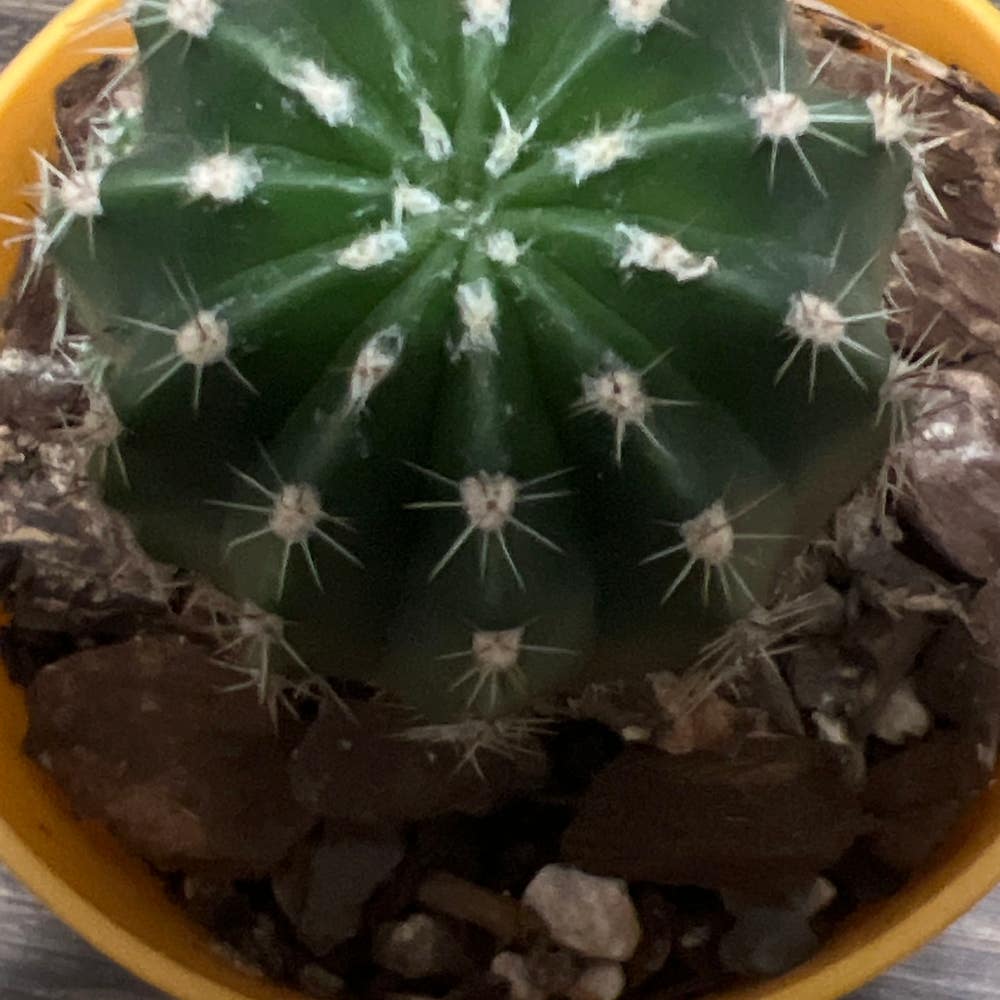
☀️ Why the Leaves on Echinopsis Turn Yellow
Echinopsis 'Venus'
By the Greg Editorial Team
Nov 07, 2024•7 min read
This article was created with the help of AI so we can cover more plants for you. May contain errors. See one? Report it here.
- 🌱 Yellow leaves indicate issues like watering, nutrients, pests, or diseases in Echinopsis.
- 💧 Proper watering is crucial; overwatering causes root rot, while underwatering leads to shriveling.
- 🌞 Bright, indirect sunlight for 6-8 hours daily prevents yellowing and supports healthy growth.
Causes of Yellow Leaves
💧 Overwatering and Its Effects
Overwatering is a common culprit behind yellowing leaves on Echinopsis. Symptoms include yellowing leaves, mushy stems, and root rot, which can be detrimental to your cactus's health.
To prevent these issues, ensure your cactus is planted in well-draining soil. Look for signs such as soil that remains wet for extended periods or a foul odor emanating from the soil, indicating water accumulation.
🚰 Underwatering and Dehydration
On the flip side, underwatering can also lead to yellow leaves. Symptoms of dehydration include shriveled leaves, yellowing, and stunted growth, signaling that your cactus needs more water.
Maintaining a consistent watering schedule is crucial, especially during the growing season. Signs of underwatering include dry soil and a wrinkled or shriveled appearance of the cactus, which should prompt immediate action.
🌱 Nutrient Deficiencies
Nitrogen Deficiency
A nitrogen deficiency can manifest as yellowing of older leaves and stunted growth. This highlights the importance of balanced fertilization for the overall health of your Echinopsis.
Magnesium Deficiency
Magnesium deficiency presents differently, with yellowing occurring between leaf veins, often leading to browning edges. To remedy this, consider fertilizers high in magnesium, such as Epsom salt, to restore nutrient balance.
🐛 Pest Infestations
Common Pests
Pests can wreak havoc on your Echinopsis, leading to yellow leaves. Common offenders include mealybugs, which appear as white, cotton-like masses on leaves, and spider mites, identifiable by fine webbing and stippled leaves.
Regular inspections are vital to catch these infestations early. Staying vigilant can save your cactus from significant damage.
🍄 Fungal Infections and Root Rot
Fungal infections and root rot are serious threats that can cause yellowing leaves. Symptoms of root rot include yellowing leaves, mushy roots, and a foul smell, indicating that your cactus is in distress.
Proper watering and soil drainage are essential to prevent fungal growth. Look for signs of fungal infections, such as dark spots on leaves or wilting despite adequate watering, to address issues promptly.
Understanding these causes of yellow leaves is the first step in ensuring your Echinopsis thrives. Next, we'll explore how to diagnose yellowing leaves effectively.
Diagnosing Yellow Leaves
🟡 Visual Signs of Yellowing
When your Echinopsis starts to turn yellow, it’s crucial to identify the type of yellowing. Uniform yellowing often indicates a watering issue, while patchy yellowing may suggest nutrient deficiencies or pest problems.
Pay attention to the position of the yellow leaves. Older leaves typically yellow first, while new growth should remain vibrant. This distinction can help you pinpoint the underlying issue more effectively.
💧 Assessing Soil Moisture Levels
Checking soil moisture is essential for maintaining a healthy Echinopsis. You can use the finger test—stick your finger into the soil up to the second knuckle—or a moisture meter for a more precise reading.
Echinopsis prefers to dry out between waterings. Aim for soil that feels dry to the touch before giving your cactus another drink.
🐜 Checking for Pests and Diseases
Regular inspections are key to catching pests and diseases early. Look for signs of infestation, such as webbing or sticky residue, and use a magnifying glass for a closer look at the leaves.
Identifying pests early can save your cactus from significant damage. Make it a habit to check your plant every couple of weeks, especially during the growing season.
☀️ Evaluating Light Exposure and Conditions
Light conditions play a vital role in the health of your Echinopsis. Ideally, it should receive bright, indirect sunlight, with some direct exposure to promote healthy growth.
If your cactus is stretching or its leaves are yellowing, it might not be getting enough light. Adjust its placement to ensure it receives adequate sunlight throughout the day.
Understanding these diagnostic steps will empower you to take action and restore your Echinopsis to its vibrant self. Next, we’ll explore effective strategies to prevent yellow leaves from becoming a recurring issue.
Preventing Yellow Leaves
💧 Proper Watering Techniques
To keep your Echinopsis healthy, aim to water every 2-3 weeks during the growing season. Use the soak and dry method, where you thoroughly soak the soil and allow it to dry out completely before the next watering.
🌱 Ideal Soil Composition
For optimal growth, mix 50% cactus mix with 50% perlite or sand to ensure excellent drainage. Maintaining a slightly acidic to neutral soil pH (between 6.0 to 7.0) is crucial for nutrient absorption.
☀️ Optimal Light Conditions for Growth
Echinopsis thrives in bright, indirect sunlight for 6-8 hours a day. Be prepared to adjust light exposure with the changing seasons to prevent yellowing leaves.
🐞 Regular Pest Inspections and Treatments
Conduct bi-weekly inspections during the growing season to catch pests early. Use insecticidal soap or neem oil as effective treatments to keep your cactus pest-free.
🌿 Fertilization Schedule and Nutrient Balance
Fertilize your Echinopsis every 4-6 weeks during the growing season. Opt for a balanced NPK fertilizer that includes micronutrients to support robust growth.
By implementing these preventive measures, you can help your Echinopsis maintain its vibrant green color and overall health. Next, let’s explore how to treat yellow leaves once they appear.
Treating Yellow Leaves
🌊 Steps to Take for Overwatered Echinopsis
If your Echinopsis is suffering from overwatering, the first step is to remove the cactus from its pot. Inspect the roots for any signs of rot and trim away any affected areas to prevent further damage.
Next, repot the cactus in fresh, dry soil. Allow it to dry out completely before watering again to ensure it recovers properly.
💧 How to Address Underwatering Issues
For underwatered Echinopsis, gradually increase the watering frequency. Start by soaking the soil thoroughly and allowing it to drain completely to rehydrate the plant effectively.
🌱 Remedies for Nutrient Deficiencies
If you suspect a nitrogen deficiency, apply a balanced fertilizer to boost growth. For magnesium deficiency, dissolve Epsom salt in water and apply it to provide the necessary nutrients.
🐜 Pest Control Methods
To tackle pest infestations, manually remove pests using a cotton swab dipped in alcohol. You can also apply insecticidal soap or neem oil as needed to keep your cactus healthy.
🍄 Treatment Options for Fungal Infections
For fungal infections, remove any affected parts of the plant immediately. Then, apply a fungicide according to the instructions, ensuring proper air circulation to help prevent future issues.
By addressing these common problems, you can help your Echinopsis thrive and maintain its vibrant appearance. Next, let’s explore seasonal considerations to keep your cactus healthy year-round.
Seasonal Considerations
🌧️ Seasonal Watering Adjustments
As the seasons change, so should your watering routine for Echinopsis. Increase watering frequency during spring and summer when the plant is actively growing, and cut back in fall and winter when growth slows.
It's crucial to monitor soil moisture closely, especially during temperature fluctuations. This ensures your cactus gets the right amount of water without risking over or underwatering.
☀️ Light Requirements During Different Seasons
Light exposure is vital for Echinopsis health, and it varies with the seasons. Adjust the placement of your cactus to ensure it receives adequate light year-round, particularly during the shorter days of winter.
If natural light is insufficient, consider using grow lights to supplement. This can help maintain healthy growth and prevent yellowing leaves.
🌱 Fertilization Changes Based on Growth Cycles
Fertilization is another area that requires seasonal adjustments. During the active growth period in spring and summer, increase your fertilization frequency to support robust development.
Conversely, reduce or eliminate fertilization during dormancy in fall and winter. This helps prevent nutrient buildup and keeps your Echinopsis thriving throughout the year.
By adapting your care routine to seasonal changes, you can ensure your Echinopsis remains healthy and vibrant. This proactive approach sets the stage for a flourishing plant, ready to tackle the challenges of each season.
⚠️ Safety First
This content is for general information and may contain errors, omissions, or outdated details. It is not medical, veterinary advice, or an endorsement of therapeutic claims.
Always consult a qualified healthcare professional before using any plant as food, medicine, or supplement.
Never eat any plant (or feed one to pets) without confirming its identity with at least two trusted sources.
If you suspect poisoning, call Poison Control (800) 222-1222, the Pet Poison Helpline (800) 213-6680, or your local emergency service immediately.
Spotted an error? Please report it here.
Revive your Echinopsis and keep those leaves green 🌵 with Greg's tailored watering alerts and nutrient guidance to tackle yellowing issues head-on!