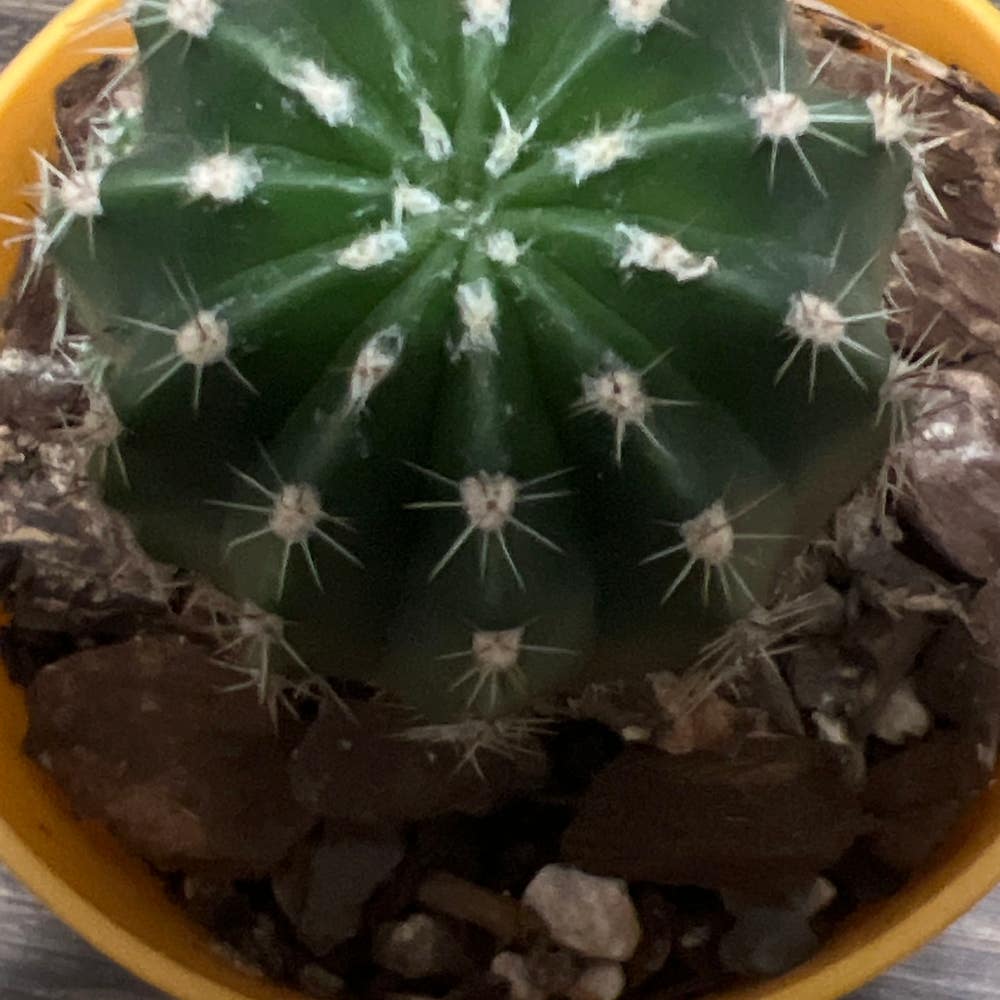
🌵 5 Key Phases of Echinopsis Development
Echinopsis 'Venus'
By the Greg Editorial Team
Nov 07, 2024•5 min read
This article was created with the help of AI so we can cover more plants for you. May contain errors. See one? Report it here.
- 🌱 Echinopsis seeds germinate in 2-4 weeks under optimal conditions of warmth and moisture.
- 🌞 Bright, indirect light and moderate watering are essential for thriving seedlings.
- 🌼 Echinopsis flowers bloom in late spring, attracting nocturnal pollinators for fertilization.
Germination Stage
🌱 Duration of Germination
The germination period for Echinopsis seeds typically spans 2 to 4 weeks. This duration can vary based on key factors such as temperature, moisture levels, and the viability of the seeds.
🌡️ Conditions for Successful Germination
To ensure successful germination, maintain an optimal temperature range of 20°C to 30°C (68°F to 86°F). Use a well-draining cactus mix or sandy soil, and provide indirect sunlight to prevent overheating.
🌿 Notable Changes During Germination
During germination, you'll first notice the emergence of cotyledons, which are the seed leaves. As the plant develops, a taproot establishes itself, crucial for nutrient absorption, marking the transition from seed to seedling structure.
This stage sets the foundation for the Echinopsis's growth journey, leading seamlessly into the next phase: the seedling stage.
Seedling Stage
Duration of Seedling Development 🌱
The seedling stage typically lasts between 4 to 12 months. This duration can vary significantly based on the species of Echinopsis and the environmental conditions they experience.
Characteristics of Seedlings 🌿
Echinopsis seedlings are small, usually measuring 1 to 3 cm in height. They often exhibit a round or globular shape and feature soft spines, which add to their unique charm.
Environmental Needs for Seedlings 🌍
Light Requirements ☀️
Seedlings thrive in bright, indirect light. This exposure is crucial for promoting healthy growth without risking sunburn.
Watering Frequency 💧
Watering should be moderate; it's essential to allow the soil to dry out between waterings. This practice helps prevent root rot and encourages robust root development.
Temperature Preferences 🌡️
Warm conditions are ideal for seedlings, with temperatures ideally above 15°C (59°F). Maintaining this warmth supports their growth and overall health.
As seedlings progress, they lay the foundation for the next stages of Echinopsis development. Understanding their needs is vital for nurturing these fascinating plants into maturity.
Vegetative Growth Stage
🌱 Duration of Vegetative Growth
The vegetative growth stage of Echinopsis typically lasts between 1 to 3 years. This duration can vary significantly based on the specific species and environmental conditions.
📈 Growth Patterns and Characteristics
During this phase, you'll notice a fascinating transformation in growth form. Some species shift from a globular shape to a more columnar structure.
In addition to shape changes, spine development becomes more pronounced. Expect to see an increase in both spine density and length, giving your cactus a more robust appearance.
As for size, Echinopsis can experience rapid growth, potentially reaching several centimeters in height. This is an exciting time for any cactus enthusiast!
🌞 Factors Influencing Vegetative Growth
Light exposure plays a crucial role in the growth rate of Echinopsis. Providing full sun is essential for optimal development.
Watering practices are equally important. Aim for consistent moisture while avoiding waterlogging, as this can hinder growth.
Lastly, nutrient availability is key. Fertilizing with a balanced cactus fertilizer during the growing season can significantly enhance growth and vitality.
As your Echinopsis thrives in this stage, it sets the foundation for the next exciting phase: flowering. Stay tuned to learn about the beauty and intricacies of the flowering stage!
Flowering Stage
Duration of Flowering 🌸
The flowering period for Echinopsis typically occurs in late spring to summer. Each bloom lasts between 1 to 3 days, making these fleeting moments quite special.
Flower Characteristics and Variations 🌼
Echinopsis flowers are large and showy, ranging from 5 to 20 cm in diameter. They come in a wide array of colors, including white, pink, yellow, and red, with some species emitting a sweet fragrance that attracts pollinators.
Pollination and Fertilization Process 🐝
Pollination primarily occurs through nocturnal pollinators, such as moths, which are drawn to the flowers' scent. Shortly after pollination, fertilization takes place, leading to the development of seeds.
The flowering stage is a critical phase in the life cycle of Echinopsis, showcasing the plant's beauty and ecological role. As we transition to the next stage, let's explore the fascinating process of seed production.
Seed Production Stage
Duration of Seed Production 🌱
The seed production stage lasts approximately 4-6 weeks, starting from the moment flowers bloom until the seeds reach maturity. This timeframe is crucial for ensuring that the seeds develop properly and are ready for dispersal.
Seed Characteristics and Dispersal 🌬️
Echinopsis seeds are quite small, typically measuring between 1-2 mm in diameter. Their dispersal relies on natural methods, primarily wind and animal interactions, which play a vital role in spreading the seeds across various environments.
Importance of Seed Production 🌍
Seed production is essential for maintaining genetic diversity within Echinopsis populations. This diversity enhances resilience against environmental changes and diseases, ensuring the survival of these beautiful cacti.
Moreover, seeds contribute significantly to the ecosystem by providing food sources for wildlife and aiding in habitat regeneration. The cycle of life continues as these seeds grow into new plants, enriching their surroundings.
As we explore the growth rate and maturation of Echinopsis, we’ll uncover how these factors influence the overall development of these fascinating cacti.
Growth Rate and Maturation
How Long Until Fully Grown? 🌱
Echinopsis cacti typically take about 2-3 years to reach maturity under optimal conditions. However, some species may require more time, influenced by various environmental factors.
Factors Affecting Growth Rate ⚡️
Several key elements can impact the growth rate of Echinopsis:
- Light Intensity: Higher light levels can significantly accelerate growth, making it essential to provide ample sunlight.
- Water Availability: Consistent moisture is crucial; too little water can stunt development, while overwatering can lead to root rot.
- Soil Quality: Nutrient-rich, well-draining soil is vital for promoting faster growth and overall health.
Notable Changes Throughout the Life Cycle 🌼
As Echinopsis matures, it undergoes several notable changes:
- Morphological Changes: You'll see a transition in shape and spine development, with plants becoming more robust and defined.
- Flowering Frequency: As the plant ages, its flowering frequency increases, leading to more prolific blooming in older specimens.
Understanding these growth dynamics can enhance your cultivation experience and help you appreciate the beauty of Echinopsis as it evolves. With the right care, you’ll witness the transformation from a tiny seedling to a stunning, mature cactus, ready to showcase its vibrant blooms.
⚠️ Safety First
This content is for general information and may contain errors, omissions, or outdated details. It is not medical, veterinary advice, or an endorsement of therapeutic claims.
Always consult a qualified healthcare professional before using any plant as food, medicine, or supplement.
Never eat any plant (or feed one to pets) without confirming its identity with at least two trusted sources.
If you suspect poisoning, call Poison Control (800) 222-1222, the Pet Poison Helpline (800) 213-6680, or your local emergency service immediately.
Spotted an error? Please report it here.
Master the 5 phases of Echinopsis growth and let Greg guide you with tailored care tips and reminders, ensuring your cacti flourish and bloom vibrantly! 🌼