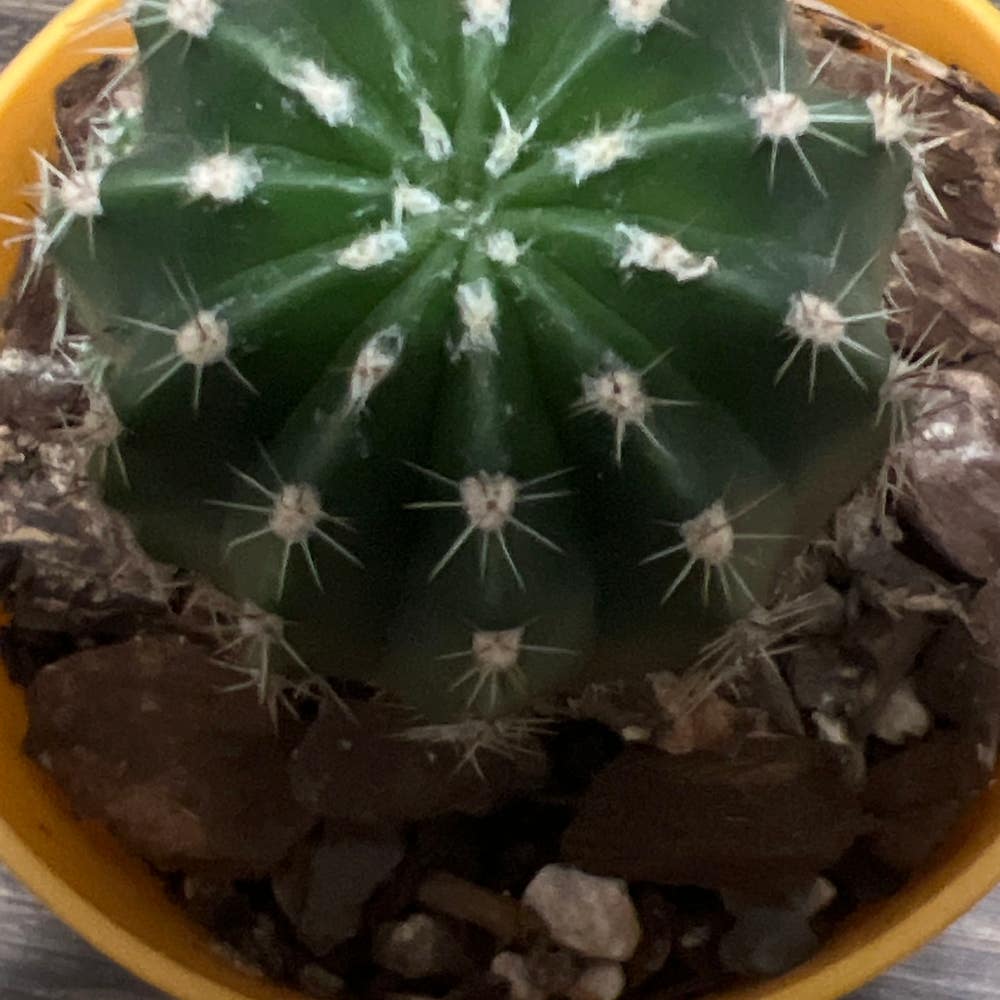
🌵 4 Tips for Healing Black Spots on Your Echinopsis
Echinopsis 'Venus'
By the Greg Editorial Team
Nov 07, 2024•4 min read
This article was created with the help of AI so we can cover more plants for you. May contain errors. See one? Report it here.
- 🌱 Isolate affected Echinopsis to prevent fungal infections from spreading.
- 🛠️ Use sterilized tools for pruning to minimize damage and promote healing.
- 🌿 Apply fungicides or natural remedies like neem oil to combat black spots effectively.
Treating Black Spots
🦠 Step-by-Step Treatment for Fungal Infections
Dealing with black spots on your Echinopsis can be daunting, but a systematic approach can help restore your plant's health. Start by isolating the affected plant to prevent the spread of any potential fungal infections.
Next, use sterilized tools to carefully remove any severely affected areas. This step is crucial to minimize further damage and promote healing.
Once you've cleared the affected parts, apply a suitable fungicide or a natural remedy. Recommended fungicides include copper-based and sulfur-based options, which are effective against many fungal issues. If you prefer natural solutions, consider using neem oil or a baking soda solution, both of which can help combat fungal growth without harsh chemicals.
Finally, monitor your plant closely for signs of improvement or any further spread of black spots. Regular checks will help you catch any issues early and adjust your treatment as needed.
✂️ How to Prune Affected Areas Safely
Pruning is essential for maintaining the health of your Echinopsis, especially when dealing with black spots. To start, gather the right tools: sharp, sterilized scissors or pruning shears are a must for clean cuts.
When pruning, use techniques that minimize stress on the plant. Make clean cuts at a slight angle to promote healing and avoid damaging healthy tissue.
After pruning, provide aftercare for the affected areas to encourage recovery. Keep the plant in a stable environment, avoiding direct sunlight for a few days to help it adjust. With the right care, your Echinopsis will bounce back, thriving once again.
As you move forward, remember that prevention is just as important as treatment. Next, we’ll explore best practices for preventing black spots from appearing in the first place.
Preventing Black Spots
💧 Best Practices for Watering
To keep your Echinopsis healthy, establish a watering schedule that aligns with the seasons. During the growing season, typically spring and summer, water more frequently, allowing the top inch of soil to dry out between waterings.
Recognizing the signs of overwatering and underwatering is crucial. Overwatered plants may exhibit yellowing leaves and mushy stems, while underwatered ones will show signs of wilting and shriveling.
To check soil moisture levels, use your finger to probe the soil about an inch deep. If it feels dry, it’s time to water; if it’s still moist, hold off for a bit longer.
☀️ Optimal Sunlight Exposure and Temperature Conditions
Echinopsis thrives in bright, indirect sunlight. Too much direct sun can scorch the plant, while too little can hinder its growth.
Maintain a temperature range between 70°F to 85°F (21°C to 29°C) for optimal health. During colder months, ensure the plant is kept in a warmer spot to prevent stress.
Adjust your care practices based on seasonal changes. In winter, reduce watering and provide more light to help your Echinopsis through the dormant period.
By following these best practices, you can significantly reduce the risk of black spots and promote a vibrant, healthy plant. Next, let’s explore how to monitor your Echinopsis health effectively.
Monitoring Echinopsis Health
🕵️♂️ Regular Inspection for Early Signs of Black Spots
To keep your Echinopsis thriving, regular inspections are crucial. Aim to check your plant every week, looking for any unusual discolorations or spots.
Documenting changes in your plant's health can be incredibly helpful. Keeping a journal of your observations allows you to track patterns and identify issues early.
⚠️ Recognizing Stress Factors That May Lead to Black Spots
Several stress factors can contribute to the development of black spots on your Echinopsis. Common culprits include pests, nutrient deficiencies, and environmental changes.
To mitigate these stressors, maintain a consistent care routine. Regularly check for pests, ensure your plant receives adequate nutrients, and adjust care practices based on seasonal shifts.
By staying vigilant and proactive, you can help your Echinopsis flourish and avoid the dreaded black spots. This attention to detail not only enhances your plant's health but also deepens your connection with it.
⚠️ Safety First
This content is for general information and may contain errors, omissions, or outdated details. It is not medical, veterinary advice, or an endorsement of therapeutic claims.
Always consult a qualified healthcare professional before using any plant as food, medicine, or supplement.
Never eat any plant (or feed one to pets) without confirming its identity with at least two trusted sources.
If you suspect poisoning, call Poison Control (800) 222-1222, the Pet Poison Helpline (800) 213-6680, or your local emergency service immediately.
Spotted an error? Please report it here.
Heal those black spots and revitalize your Echinopsis 🌱 with Greg's tailored care reminders and expert tips that keep your cactus thriving!