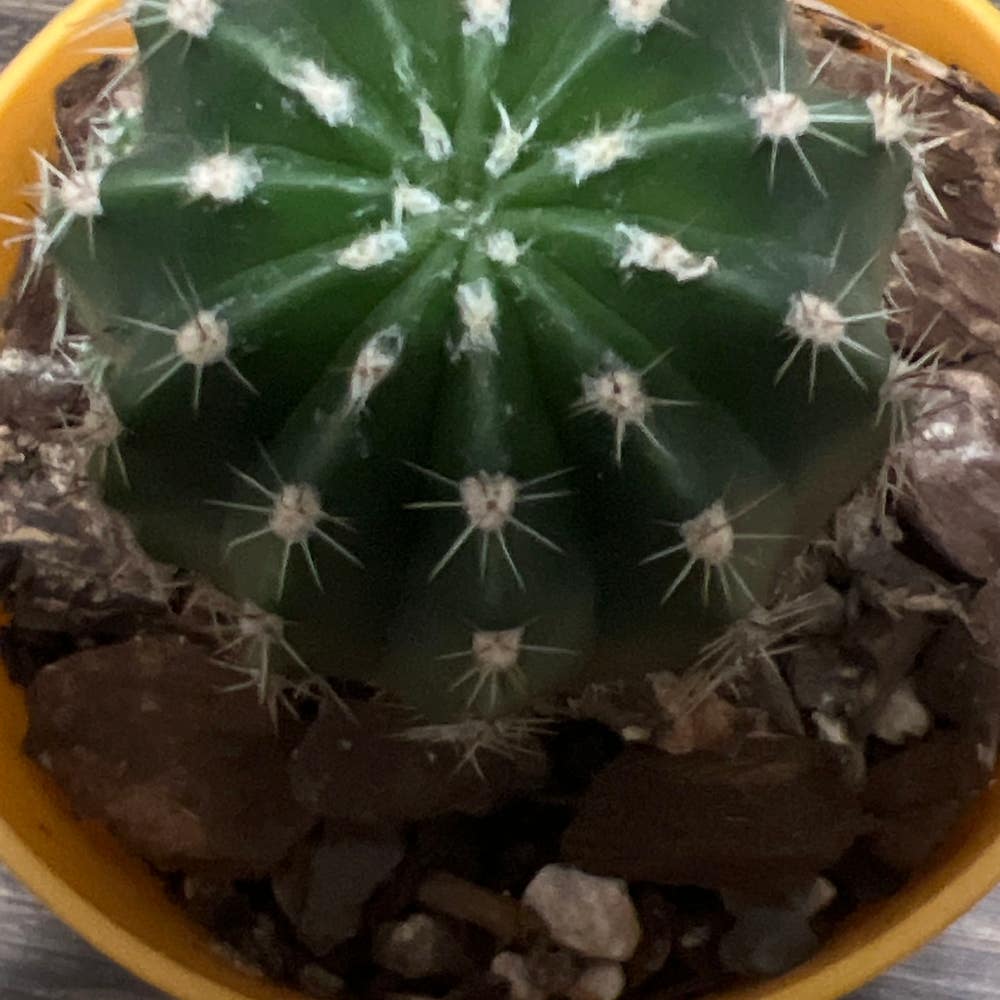
🌵 How to Cure Root Rot in Your Echinopsis
Echinopsis 'Venus'
By the Greg Editorial Team
Nov 07, 2024•6 min read
This article was created with the help of AI so we can cover more plants for you. May contain errors. See one? Report it here.
- 🌱 Identify root rot by yellowing leaves, mushy roots, and foul soil odors.
- 🧼 Treat root rot by trimming affected roots and repotting in well-draining soil.
- 🌞 Ensure bright, indirect sunlight and adjust watering for Echinopsis recovery.
Identifying Root Rot Symptoms
👀 Visual Signs of Root Rot
Recognizing root rot in your Echinopsis starts with observing the plant's appearance. If you notice yellowing or wilting leaves, this often signals distress in the roots, indicating they are struggling to absorb water and nutrients.
Another critical sign is the condition of the roots themselves. Healthy roots should be firm and white, while soft, mushy roots are a clear indication of rot. If you encounter roots that feel slimy or break apart easily, it's time to take action.
Lastly, pay attention to any foul odors coming from the soil. A rotten smell is a key indicator of root rot and should not be ignored, as it suggests that the roots are decaying.
🔍 How to Check for Root Rot (Root Inspection)
To confirm root rot, follow these simple steps:
- Carefully remove the Echinopsis from its pot.
- Inspect the roots for discoloration and texture:
- Healthy roots should be firm and white.
- Rotting roots will appear dark, mushy, and may emit a foul smell.
- Assess the soil condition:
- Look for signs of compacted or overly wet soil, which can contribute to root rot.
This inspection process is straightforward and essential for determining the health of your plant.
⚠️ Distinguishing Root Rot from Other Issues
It's important to differentiate root rot from other potential problems. For instance, signs of root rot in cacti can often be confused with pest infestations. While both issues may cause leaf drop and discoloration, root rot typically presents with mushy roots and a foul odor.
Additionally, be aware of other diseases that can affect your Echinopsis. Common cactus diseases may exhibit symptoms like spots or discoloration but usually do not involve the root system in the same way as root rot. Understanding these differences will help you take the right steps for treatment and recovery.
With these identification skills, you’re well-equipped to tackle root rot and ensure your Echinopsis thrives. Next, we’ll explore how to effectively treat root rot once it’s been identified.
Treating Root Rot
🌱 Step-by-Step Guide to Treating Root Rot
Treating root rot in your Echinopsis requires careful attention and a few straightforward steps. Start by gently removing the plant from its pot to inspect the roots.
Next, trim away any affected roots using sterilized scissors. Focus on cutting back to healthy tissue to prevent further infection.
After trimming, clean the remaining roots with water to wash away any lingering soil. This helps to remove pathogens that could cause additional issues.
Allow the roots to dry for several hours before repotting. This drying period is crucial for preventing moisture retention that can lead to further rot.
Finally, repot your Echinopsis in fresh, well-draining soil. A cactus mix with added perlite works wonders for drainage.
🧪 Recommended Treatments
In addition to the basic treatment steps, consider using fungicides to combat root rot effectively. Look for types specifically formulated for Echinopsis, and follow the application instructions carefully.
Natural remedies can also be beneficial. Options like cinnamon or activated charcoal can help fight fungal infections without harsh chemicals. These alternatives are gentle yet effective for maintaining plant health.
🧼 Importance of Proper Sanitation During Treatment
Sanitation is key during the treatment process. Always clean your tools and pots before reuse to prevent the spread of pathogens.
Dispose of any infected soil and plant material safely. This ensures that you avoid contaminating healthy plants and helps maintain a clean growing environment.
By following these steps and recommendations, you can effectively treat root rot in your Echinopsis and set the stage for a healthy recovery. Next, let’s explore how to prevent root rot from occurring in the first place.
Preventing Root Rot
🌊 Best Practices for Watering Echinopsis
Watering your Echinopsis correctly is crucial to prevent root rot. A good rule of thumb is to check the soil moisture before watering; if the top inch feels dry, it's time to give your cactus a drink.
When watering, aim for deep watering techniques. This encourages the roots to grow downwards, promoting a healthier plant overall.
🪴 Soil and Potting Recommendations
The right soil composition is vital for optimal drainage. A cactus mix combined with perlite is highly recommended, as it allows excess water to escape while retaining just enough moisture for your Echinopsis.
Choosing the right pot is equally important. Always opt for pots with drainage holes to prevent water accumulation, and select a size that accommodates your plant without being overly spacious.
🚰 Importance of Drainage and Pot Selection
Proper drainage directly affects root health. Excess water can suffocate roots, leading to rot, so ensuring your pot has adequate drainage is essential.
Consider the pot material as well. Terracotta pots are excellent for Echinopsis because they allow moisture to evaporate, while plastic pots can retain more water, which may not be ideal for these cacti.
By following these best practices, you can significantly reduce the risk of root rot and keep your Echinopsis thriving. Next, let’s explore how to care for your plant after treatment, ensuring it continues to flourish.
Post-Treatment Care
How to Care After Treatment 🌵
After treating root rot, it's crucial to adjust your watering schedule. Allow your Echinopsis to recover by waiting until the soil is completely dry before watering again.
Providing optimal light conditions is equally important. Ensure your cactus receives bright, indirect sunlight to promote healthy growth without overwhelming it.
Signs of Recovery and Ongoing Monitoring 👀
Look for indicators that your Echinopsis is on the mend. New growth and firm roots are positive signs that your plant is recovering well.
Regular checks for signs of recurrence are essential. Monitor soil moisture and root health to catch any potential issues early.
Adjusting Care Routines to Prevent Recurrence 🔄
Modifying your watering habits based on seasonal changes can make a significant difference. Adapt your care routine to the time of year to meet your cactus's needs.
Regular repotting is also vital for maintaining root health. Knowing when and how to repot can help prevent future rot and keep your Echinopsis thriving.
By following these post-treatment care tips, you can ensure your Echinopsis not only survives but flourishes. Transitioning to a proactive care routine will help you enjoy a healthy, vibrant cactus for years to come.
⚠️ Safety First
This content is for general information and may contain errors, omissions, or outdated details. It is not medical, veterinary advice, or an endorsement of therapeutic claims.
Always consult a qualified healthcare professional before using any plant as food, medicine, or supplement.
Never eat any plant (or feed one to pets) without confirming its identity with at least two trusted sources.
If you suspect poisoning, call Poison Control (800) 222-1222, the Pet Poison Helpline (800) 213-6680, or your local emergency service immediately.
Spotted an error? Please report it here.
Revive your Echinopsis and keep it root rot-free 🌵 with Greg's tailored watering reminders and expert care tips that empower you to maintain a thriving cactus!