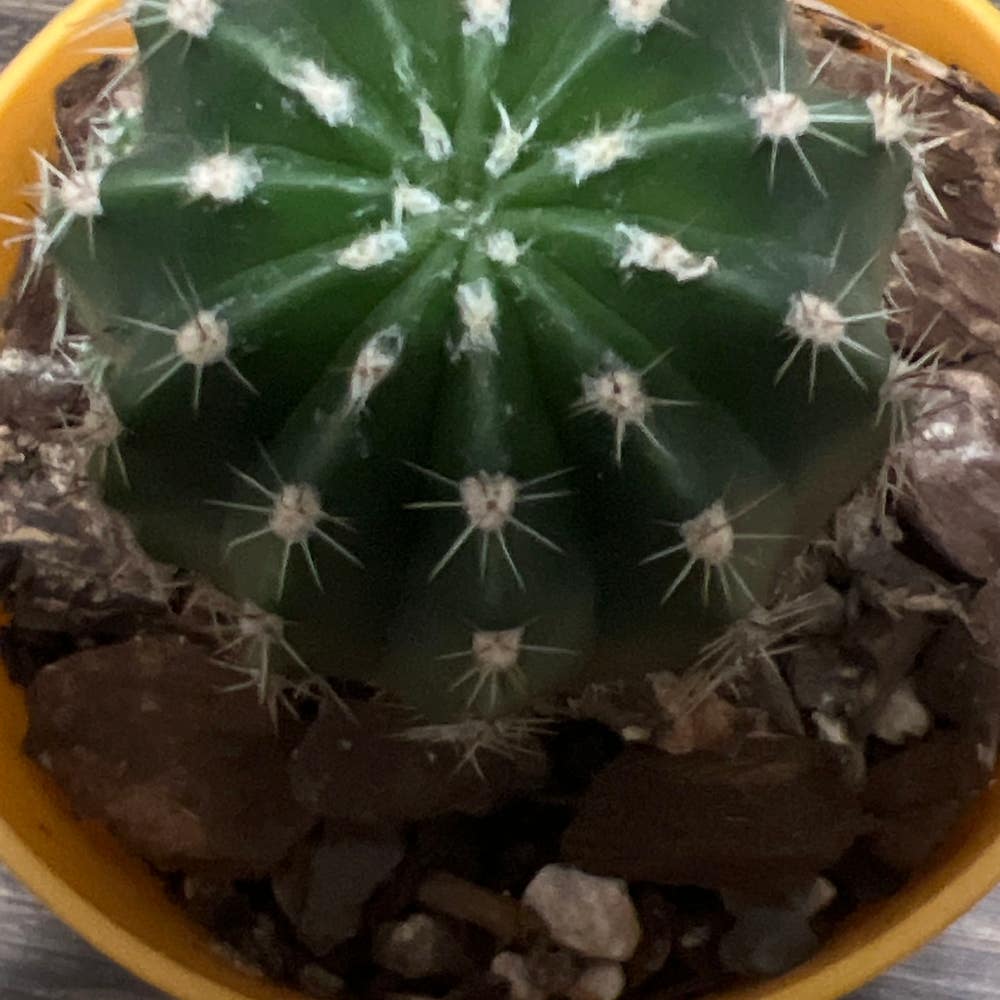
🌵 Ultimate Guide to Fixing Brown Spots on Echinopsis
Echinopsis 'Venus'
By the Greg Editorial Team
Nov 07, 2024•5 min read
This article was created with the help of AI so we can cover more plants for you. May contain errors. See one? Report it here.
- 🌱 Inspect leaves regularly for pests or fungal growth causing brown spots.
- 💧 Avoid overwatering; let soil dry out between waterings to prevent brown spots.
- ☀️ Provide bright, indirect sunlight for 6-8 hours daily to promote healthy Echinopsis growth.
Diagnosing Brown Spots
🔍 Visual Inspection Techniques
To effectively diagnose brown spots on your Echinopsis, start with a close examination of the leaves. Using a magnifying glass can help you spot tiny pests or fungal growth that might be causing the discoloration.
Next, assess the overall plant condition. Look for signs of stress, such as wilting or unusual discoloration, which can indicate underlying issues that need addressing.
🌍 Assessing Environmental Factors
Environmental factors play a crucial role in the health of your Echinopsis. Begin with a light exposure analysis; note how many hours of direct sunlight your plant receives each day and its positioning—whether it’s near windows or under grow lights.
Temperature fluctuations are another key consideration. Echinopsis thrives in stable conditions, so monitor the day and night temperature ranges to ensure they align with ideal conditions for growth.
🪴 Soil and Watering Analysis
Soil composition is vital for your plant's health. Use a cactus mix or well-draining potting soil, and ensure the pH level is within the ideal range of 6.0 to 7.0 for Echinopsis.
Watering practices also require attention. Allow the soil to dry out between waterings, and be vigilant for signs of overwatering, such as soggy soil or drainage issues. This balance is essential for preventing brown spots and promoting overall plant vitality.
By thoroughly diagnosing these aspects, you can identify the root causes of brown spots and take appropriate action. Next, we’ll explore effective treatment options to restore your Echinopsis to its vibrant self.
Treating Brown Spots
🌞 Step-by-Step Treatment for Sunburn
Sunburn can be a common issue for Echinopsis. Start by relocating the plant to a shaded area to prevent further damage.
Next, gradually reintroduce sunlight over a period of 1-2 weeks. This slow transition helps the plant acclimate without causing additional stress.
🐛 Addressing Pest Infestations
Pest infestations can lead to unsightly brown spots. Begin by identifying the pest type through a close visual inspection of the plant.
Once identified, apply insecticidal soap or neem oil according to the product instructions. Repeat this treatment every 7-10 days until you see the pests eradicated.
🦠 Fungal and Bacterial Treatment Options
Fungal and bacterial issues require a more hands-on approach. Start by removing any affected leaves using sterilized scissors to prevent the spread of infection.
Next, apply a fungicide specifically designed for cacti. This targeted treatment can help combat the issue effectively.
Ensure proper air circulation around the plant to promote healing. Additionally, avoid overhead watering to minimize moisture on the leaves, which can exacerbate fungal growth.
By following these treatment steps, you can restore your Echinopsis to its vibrant self. Now that you’ve tackled the brown spots, let’s explore how to prevent them from occurring in the future.
Preventing Brown Spots
🌵 Best Practices for Echinopsis Care
Regular monitoring of your Echinopsis is crucial. Conduct weekly checks for any signs of stress or damage, such as wilting or discoloration.
Maintaining a clean growing environment is equally important. Remove any debris and dead leaves from the pot to prevent pests and diseases.
💧 Optimal Watering Techniques
Establishing a consistent watering schedule is key. Water your Echinopsis every 2-3 weeks during the growing season, ensuring the soil dries out between waterings.
When watering, do so thoroughly and allow excess water to drain. This helps prevent root rot and keeps your plant healthy.
👀 Signs of Proper Watering
To determine if your Echinopsis is receiving the right amount of water, check for soil dryness. Use a moisture meter or simply stick your finger into the soil to gauge moisture levels.
If the top inch of soil feels dry, it’s time to water. This simple test can help you avoid overwatering, which is a common mistake.
☀️ Ideal Light Conditions for Echinopsis
Echinopsis thrives in bright, indirect sunlight for about 6-8 hours daily. Position your plant near a window where it can soak up the light without being scorched.
If direct sunlight is too intense, consider adjusting the light conditions. Using sheer curtains can help diffuse harsh sunlight, providing the perfect balance for your plant's needs.
By following these best practices, you can significantly reduce the risk of brown spots on your Echinopsis. With proper care, your cactus will flourish and remain a stunning addition to your collection.
Next, let’s explore some common misconceptions about Echinopsis care that can lead to mistakes.
Common Misconceptions
🌵 Myths About Echinopsis Care
One common misconception is that Echinopsis requires constant moisture. In reality, overwatering can lead to root rot and other issues; it's crucial to allow the soil to dry out between waterings.
Another myth is that all Echinopsis thrive in full sun. While many varieties enjoy bright light, some actually benefit from protection against intense sunlight, especially during the hottest parts of the day.
🌡️ Clarifying the Role of Humidity and Temperature
When it comes to humidity, Echinopsis prefers low to moderate levels. High humidity can create a breeding ground for pests and diseases, so maintaining a balanced environment is key.
Temperature tolerance is another area where clarity is needed. Echinopsis thrives in a range of 20°C to 30°C (68°F to 86°F) and should be shielded from extreme fluctuations. Keeping these conditions in mind will help your Echinopsis flourish.
Understanding these misconceptions can significantly enhance your care routine. With the right knowledge, you can ensure your Echinopsis remains healthy and vibrant.
Next, let’s explore the best practices for preventing brown spots on your Echinopsis.
⚠️ Safety First
This content is for general information and may contain errors, omissions, or outdated details. It is not medical, veterinary advice, or an endorsement of therapeutic claims.
Always consult a qualified healthcare professional before using any plant as food, medicine, or supplement.
Never eat any plant (or feed one to pets) without confirming its identity with at least two trusted sources.
If you suspect poisoning, call Poison Control (800) 222-1222, the Pet Poison Helpline (800) 213-6680, or your local emergency service immediately.
Spotted an error? Please report it here.
Keep your Echinopsis thriving 🌵 by using Greg's personalized care reminders to tackle brown spots and ensure optimal growth with ease!