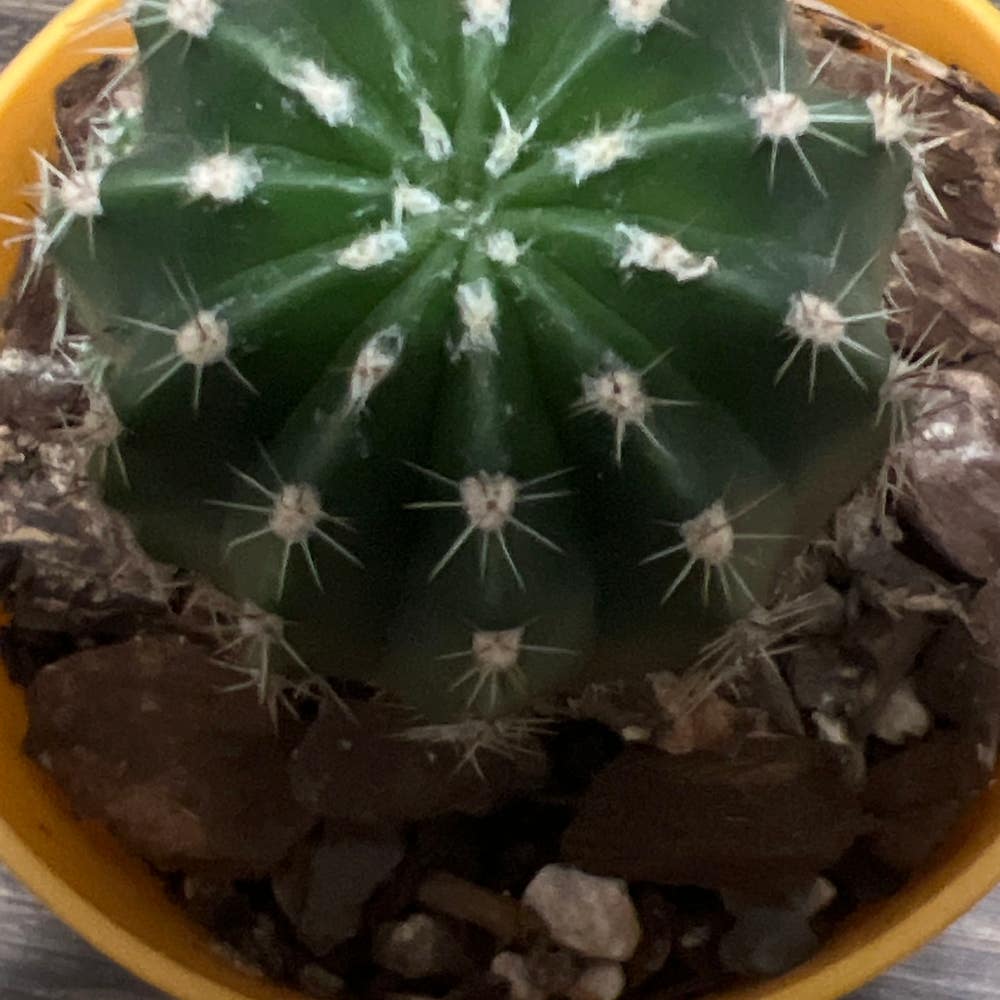
🌵 How to Fix Curling Leaves on Your Echinopsis
Echinopsis 'Venus'
By the Greg Editorial Team
Nov 07, 2024•5 min read
This article was created with the help of AI so we can cover more plants for you. May contain errors. See one? Report it here.
- 🌱 Curling leaves in Echinopsis result from overwatering, underwatering, or environmental stress.
- 💧 Proper watering is key: let soil dry out completely between waterings.
- ☀️ Bright, indirect sunlight for 6-8 hours daily prevents leaf curling and scorching.
Causes of Leaf Curling
Leaf curling on your Echinopsis can stem from several common issues. Understanding these causes is the first step toward restoring your plant's health.
💧 Overwatering
Overwatering is a leading culprit behind curling leaves. Symptoms include yellowing and mushy leaves, indicating that the roots are drowning.
🚰 Underwatering
On the flip side, underwatering can also cause distress. Look for shriveled and dry leaves as signs that your Echinopsis needs a drink.
🌪️ Environmental Stress
Environmental factors play a significant role in leaf health. Temperature fluctuations and humidity levels can stress your plant, leading to curling leaves as it struggles to adapt.
By identifying these causes, you can take proactive steps to ensure your Echinopsis thrives. Next, let’s explore how to diagnose the specific problems affecting your plant.
Diagnosing the Problem
🌍 Environmental Factors Affecting Echinopsis
Understanding the environmental factors that affect your Echinopsis is crucial for diagnosing leaf curling.
Sunlight Exposure
Echinopsis thrives in bright, indirect sunlight for about 6-8 hours daily. However, too much direct sunlight can scorch the leaves, leading to curling and discoloration.
Temperature Tolerance
This cactus prefers a temperature range of 20°C to 30°C (68°F to 86°F). Extreme temperatures, whether too hot or too cold, can stress the plant and cause leaf curling.
Soil Requirements
Well-draining soil is essential for Echinopsis health. Poor drainage can lead to root rot, which often manifests as curling leaves.
🐛 Common Pests and Diseases Leading to Leaf Curl
Pests and diseases can also be culprits in leaf curling. Identifying these issues early can save your plant.
Pests
- Mealybugs: Look for white cottony masses on the leaves. These pests suck sap and weaken the plant.
- Spider Mites: Fine webbing and stippled leaves indicate an infestation. These tiny pests thrive in dry conditions.
Diseases
- Root Rot: Overwatering leads to mushy roots, causing the leaves to curl. This is a serious condition that requires immediate attention.
- Fungal Infections: Dark spots and leaf discoloration are signs of fungal issues. These can spread quickly if not treated.
By closely monitoring these environmental factors and potential pests or diseases, you can effectively diagnose the issues affecting your Echinopsis. This proactive approach will help you maintain a healthy and vibrant plant.
Next, we will explore effective solutions for curling leaves, ensuring your Echinopsis thrives in its environment.
Solutions for Curling Leaves
🌊 Watering Techniques for Echinopsis
Proper watering is crucial for the health of your Echinopsis. Allow the soil to dry out completely between waterings to prevent overwatering, which can lead to leaf curl.
Look for signs of correct watering, such as firm, plump leaves and overall healthy growth. If your plant exhibits these characteristics, you're on the right track!
☀️ Adjusting Light Conditions for Optimal Growth
Light exposure plays a significant role in the well-being of your Echinopsis. Aim for bright, indirect sunlight for about 6-8 hours daily to promote optimal growth.
If you notice signs of excessive sunlight, consider using sheer curtains or relocating your plant to a spot with filtered light. This adjustment can help prevent leaf curling caused by too much direct sun.
🐞 Pest Control Methods for Echinopsis
Pests can wreak havoc on your Echinopsis, leading to curling leaves. For effective pest control, consider using organic options like neem oil and insecticidal soap to tackle mealybugs and spider mites.
Additionally, physical removal can be effective. Hand-pick any visible pests and use a damp cloth to wipe down the leaves, keeping your plant healthy and happy.
With these solutions in place, your Echinopsis will be on its way to thriving. Next, let's explore some preventative measures to ensure your plant remains in top shape!
Preventative Measures
🌵 Best Practices for Echinopsis Care
To keep your Echinopsis thriving, start with the right soil. A cactus mix or well-draining potting soil is essential to prevent root rot and promote healthy growth.
Next, establish a fertilization schedule. During the growing season, apply a diluted cactus fertilizer monthly to provide the necessary nutrients for vibrant, resilient plants.
❄️ Seasonal Care Tips to Prevent Leaf Curl
Winter care is crucial for your Echinopsis. Reduce watering frequency and ensure your plant receives adequate light to prevent stress during the colder months.
In summer, stay vigilant. Monitor for pests and adjust your watering routine based on temperature changes to keep your cactus healthy and happy.
These preventative measures will help maintain the health of your Echinopsis, reducing the risk of curling leaves and other issues. Next, let’s explore how to monitor and maintain your plant effectively.
Monitoring and Maintenance
Regular Checks for Signs of Stress 🌱
To keep your Echinopsis thriving, conduct weekly inspections. Look for signs of curling leaves, discoloration, or pests that could indicate underlying issues.
Early detection is crucial. Addressing problems promptly can prevent them from escalating into more significant challenges.
Importance of Proper Soil and Potting 🪴
Repotting your Echinopsis every 2-3 years is essential for its health. Watch for signs of root-bound conditions, such as roots growing out of the drainage holes.
Choosing the right soil composition is equally important. Ensure you use a mix that promotes excellent drainage and aeration to keep your plant's roots healthy.
By staying vigilant and providing the right care, you can enjoy a flourishing Echinopsis. This proactive approach not only enhances the plant's beauty but also enriches your gardening experience.
⚠️ Safety First
This content is for general information and may contain errors, omissions, or outdated details. It is not medical, veterinary advice, or an endorsement of therapeutic claims.
Always consult a qualified healthcare professional before using any plant as food, medicine, or supplement.
Never eat any plant (or feed one to pets) without confirming its identity with at least two trusted sources.
If you suspect poisoning, call Poison Control (800) 222-1222, the Pet Poison Helpline (800) 213-6680, or your local emergency service immediately.
Spotted an error? Please report it here.
Keep your Echinopsis healthy and curl-free 🌵 by using Greg's personalized watering and pest management reminders to ensure it thrives in your home!