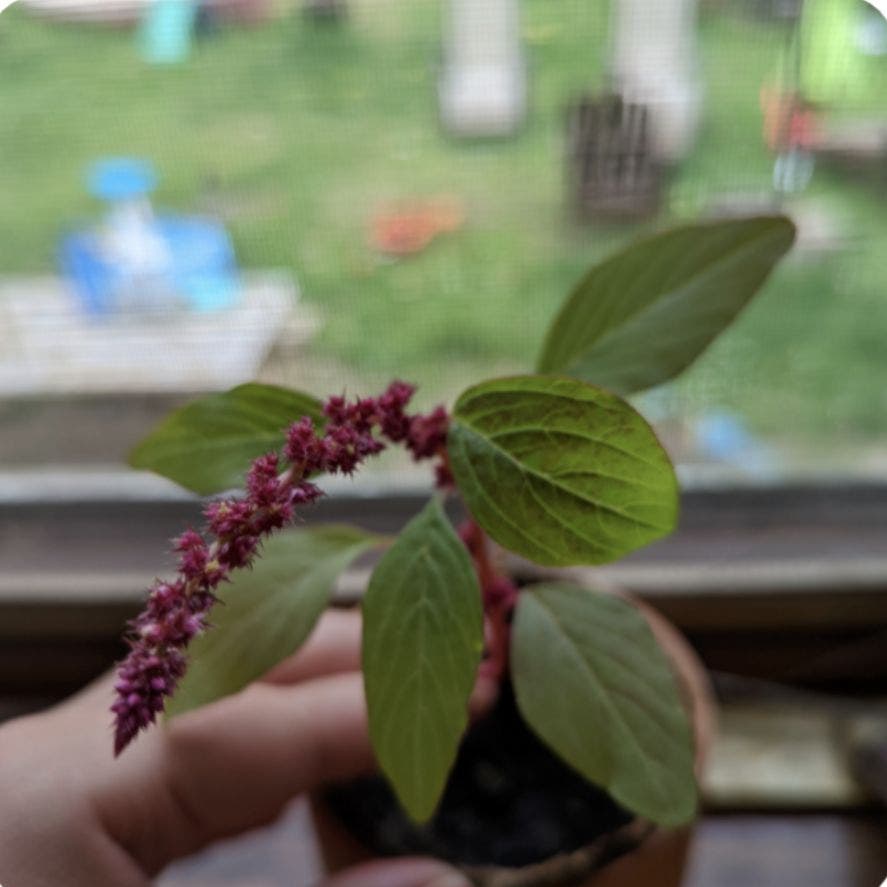
What Is A Good Temperature Range For My Purple Amaranth?
Amaranthus blitum
By the Greg Editorial Team
Jun 18, 2024•5 min read
This article was created with the help of AI so we can cover more plants for you. May contain errors. See one? Report it here.
Ensure your Purple Amaranth thrives 🌿 by mastering its ideal 65°F-85°F temperature sweet spot! 🌡️
- 65°F to 85°F is ideal for Purple Amaranth's vibrant growth.
- 🌡️ Avoid below 50°F and above 90°F to prevent stress and damage.
- Consistent temperature and humidity ensure healthy blooms and seeds.
When Purple Amaranth Feels Just Right: The Ideal Temperature Range
♨️ The Sweet Spot: 65°F to 85°F
Purple Amaranth plants are like Goldilocks, they prefer it not too hot, not too cold, but just right. 65°F to 85°F is the temperature range where they hit their stride. Outside of this range, they're less vibrant, less vivacious, and let's be honest, a bit less fabulous.
💫 Why Consistency is Key for Your Amaranth
Consistency isn't just a virtue; it's a necessity. Purple Amaranth's growth and color can be thrown off by temperature swings. So, avoid the drama of drafts and the fickleness of vents to keep your Amaranth steady and stunning.
❄️ The Chilly No-No's: Temperatures to Avoid
Think of anything below 50°F as the Amaranth's kryptonite. Cold temperatures are party poopers; they'll stunt growth and make those vibrant purples look washed out. So, keep it warm, keep it cozy, and your Amaranth will thank you by not throwing a temper tantrum.

Spotting a Shiver or a Sweat: Signs of Temperature Stress
🌡️ Wilted Dreams: Recognizing Overheated Leaves
When your Purple Amaranth's leaves droop like a teenager asked to do dishes, heat stress is likely the culprit. Leaves may crisp up, signaling they're getting more sauna than they signed up for.
🎨 Discoloration: A Cry for Temperature Comfort
Yellowing or browning leaves aren't a fall fashion statement; they're a desperate plea for help. This discoloration is your plant's version of saying, "I'm not okay with this temperature."
📈 Growth Spurts and Halts: How Temperature Affects Development
If your Amaranth's growth is more stop-and-go than city traffic, temperature is probably playing games. Stunted growth or sudden spurts are signs your plant is trying to tell you something's off.

The Culprits Behind Temperature Tantrums
❄️ The Cold Shoulder: Dangers of Dropping Below 50°F
Below 50°F and your Purple Amaranth might as well be sending out SOS signals. The cold can turn leaves into a sombre brown or black, a clear sign of cellular damage. It's like the plant version of frostbite, with foliage wilting dramatically, almost in surrender.
🔥 Heat Waves: Why Above 90°F is Too Hot to Handle
When the mercury climbs above 90°F, your amaranth's leaves might start to look like they've been through a desert trek - wilted, discolored, and downright sad. High heat can cause a plant meltdown, literally cooking your amaranth like a veggie on a grill.
🎢 The Rollercoaster Effect: Dealing with Temperature Fluctuations
Consistency is your amaranth's best friend. Sudden temperature swings are the equivalent of a cold shower after a sauna session - shocking and stressful. It can stunt growth or trigger a premature flowering frenzy, as if the plant's trying to make a last-ditch effort to reproduce before the apocalypse.

Turning Up the Heat on Flower Power
🌡️ Blooms and Thermometers: Finding the Flowering Sweet Spot
Purple Amaranth's flowering phase is temperature-sensitive. The ideal range for encouraging those vibrant blooms lies between 65°F and 75°F. During the day, a warm environment supports the metabolic processes leading to flower development. At night, slightly cooler temperatures are beneficial, but keep it above 50°F to avoid inhibiting flower set.
Consistency is crucial; avoid placing your Purple Amaranth in areas with drastic temperature changes. This means steering clear of drafty spots or right next to heating and cooling appliances.
🌱 Seed Success: Temperature's Role in Seed Viability
For seed production, temperature plays a pivotal role. Mature Purple Amaranth plants will produce seeds best when daytime temperatures are warm but not scorching. Excessive heat can reduce seed viability and lead to poor germination rates in the next generation.
To ensure your seeds have the best shot at thriving, maintain a stable temperature environment throughout the flowering and seed-setting stages. Remember, the goal is to mimic the natural conditions where Purple Amaranth evolved, striking a balance that supports both bloom and seed development.
A Quick Humidity High-Five
Humidity isn't just a sidekick to temperature; it's a vital player in the health of your Purple Amaranth. While you're dialing in those temps, don't forget that humidity levels need attention too.
🌿 Humidity's Role
50% humidity is the sweet spot for many plants, Purple Amaranth included. Too little, and you'll notice the leaves protesting with dry tips. Too much, and you're in a risky territory for diseases and root rot.
📊 Monitoring Tools
Get yourself a hygrometer. It's the unsung hero that'll keep you informed about moisture levels, so you can adjust your plant's environment with precision.
🌡 Managing High Humidity
If your air feels more like a swamp than a garden, consider a dehumidifier. Conversely, a humidifier can come to the rescue in a dry spell. Simple solutions like grouping plants can also help maintain a stable humidity microclimate.
🚿 The Bathroom Bonus
For a quick humidity fix, your bathroom can be a makeshift tropical getaway for your Purple Amaranth, thanks to the naturally higher humidity from showers and baths.
Remember, keeping humidity in check is as crucial as maintaining the right temperature. Your Purple Amaranth will thank you with vibrant growth and health.
⚠️ Safety First
This content is for general information and may contain errors, omissions, or outdated details. It is not medical, veterinary advice, or an endorsement of therapeutic claims.
Always consult a qualified healthcare professional before using any plant as food, medicine, or supplement.
Never eat any plant (or feed one to pets) without confirming its identity with at least two trusted sources.
If you suspect poisoning, call Poison Control (800) 222-1222, the Pet Poison Helpline (800) 213-6680, or your local emergency service immediately.
Spotted an error? Please report it here.
Ensure your Purple Amaranth thrives 🌱 with Greg's custom environment monitoring, keeping those temps and humidity just right for lush, vibrant growth.