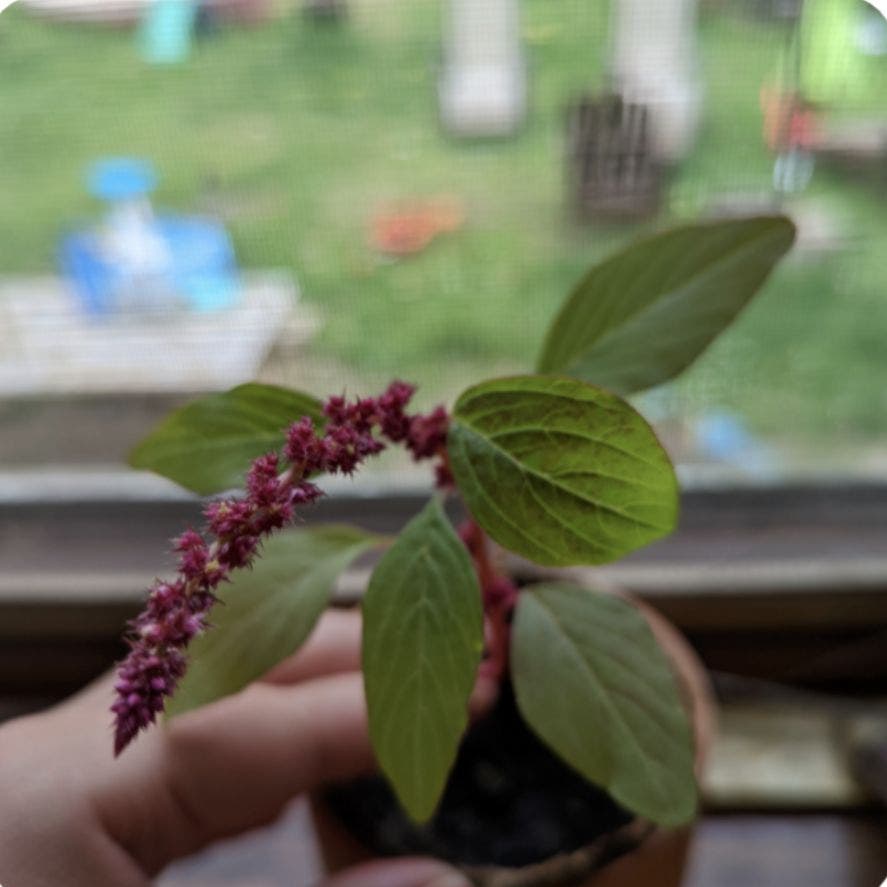
Purple Amaranth - Ultimate Guide to Fertilizing
Amaranthus blitum
By the Greg Editorial Team
Jun 18, 2024•4 min read
This article was created with the help of AI so we can cover more plants for you. May contain errors. See one? Report it here.
Boost your garden's wow factor 🌺 with the perfect fertilization plan for lush Purple Amaranth blooms!
- Organic vs. Synthetic: Slow-release or rapid nutrient kick for Purple Amaranth.
- Balanced NPK ratio: Slight phosphorus edge recommended for vibrant blooms.
- Timing is key: Fertilize in growth phases and pre-bloom for best results.
Picking the Perfect Fertilizer for Your Purple Amaranth
💥 Organic vs. Synthetic: Which Packs the Best Punch for Blooms?
In the quest for the richest blooms, the organic versus synthetic fertilizer debate is a hot topic. Organic fertilizers are the slow-release, build-the-soil type, nurturing your Purple Amaranth with a gradual nutrient supply. They're the tortoise in the race, winning with endurance. Synthetic fertilizers, on the other hand, are the hares—rapid and robust, providing a swift nutrient kick that can lead to impressive blooms, but with a higher risk of nutrient burn if you get heavy-handed.
🎩 Decoding NPK: What's the Magic Ratio for Purple Amaranth?
The NPK ratio isn't just a random string of numbers; it's the secret code to your plant's vibrancy. Nitrogen (N) is for the green, leafy growth; Phosphorus (P) is the bloom booster; and Potassium (K) is the plant's overall health insurance. For Purple Amaranth, you want a mix that's not too heavy on nitrogen. A balanced fertilizer with a slight edge on phosphorus, like a 10-20-10, could be your ticket to a bloom bonanza. Remember, more isn't always better—stick to the recommended ratios to avoid turning your garden into a floral wasteland.

Timing is Everything: When to Fertilize for Peak Performance
🌱 Growth Spurts: Fertilizing During Active Growing Phases
Purple Amaranth, like a teenager, hits its growth spurt as the days get longer and temperatures rise. This usually happens in spring. It's hungry for nutrients, and that's your cue to feed it. A balanced fertilizer, say a 10-10-10 mix, is like a wholesome breakfast for your plant.
But here's the thing: don't just set reminders and forget about it. Observe your plant. New leaves? It's go time for fertilization. Yellowing leaves could mean you're overdoing it, so ease up on the breakfast buffet.
🌸 Pre-Bloom Boost: Timing Fertilization for Maximum Flowering
As your Purple Amaranth gears up to flower, typically in early summer, it's time for a pre-bloom boost. Shift to a fertilizer with a bit more phosphorus, like a 5-10-10 blend. Think of it as a pre-game energy drink that gets your plant all hyped up for the big show – the flowering.
Remember, though, more isn't always better. Over-fertilization is like overtraining before a marathon – it can do more harm than good. Stick to slow-release fertilizers to avoid overwhelming your plant and to keep those blooms coming.

Fertilizer Application Techniques Tailored for Purple Amaranth
🌱 Surface Application vs. Side Dressing: Pros and Cons
Surface application is like the broad brush of fertilizing techniques. It's quick and doesn't require special tools. Just scatter the granules around the base of your Purple Amaranth and water them in. Watch out though; it's easy to go overboard and cause nutrient burn.
Side dressing, on the other hand, is the precision scalpel. It's about placing fertilizer alongside your plants, targeting the root zone. This method is more labor-intensive but ensures nutrients are where they need to be, reducing waste and the risk of over-fertilization.
🌼 Foliar Feeding: Is it the Secret Sauce for Flowering?
Foliar feeding might just be the cloak-and-dagger tactic your Purple Amaranth craves. It involves spraying a diluted fertilizer solution directly onto the leaves. Think of it as a quick-fix energy drink for your plants, providing rapid nutrient uptake. But, don't ditch the soil applications; foliar feeding is a supplement, not a substitute. Too much, and you're in for a sticky mess with potential leaf burn. Use sparingly for that extra oomph during the pre-bloom phase.

Navigating the Pitfalls of Over-Fertilization
🚨 Spotting Trouble: Recognizing Over-Fertilization Symptoms
Over-fertilization can be a silent killer for Purple Amaranth. Yellowing leaves, especially at the tips and margins, scream nutrient overload. If you spot a white crust on the soil surface or your plant's edges, it's a salt buildup alarm bell. Wilting leaves with moist soil? That's a classic over-fertilization faux pas. And if your blooms are more lackluster than a cloudy day, it's time to reassess your feeding strategy.
💊 The Recovery Plan: How to Salvage an Over-Fed Purple Amaranth
First, stop fertilizing—your plant needs a break, not a buffet. Flush the soil with water to wash away excess nutrients; think of it as a detox for your plant. Repeat this several times, like hitting the refresh button on a sluggish computer. Moving forward, halve the strength of your fertilizer; it's like diluting a strong drink to avoid a hangover. Keep an eye on your plant's response—recovery is a journey, not a sprint.
⚠️ Safety First
This content is for general information and may contain errors, omissions, or outdated details. It is not medical, veterinary advice, or an endorsement of therapeutic claims.
Always consult a qualified healthcare professional before using any plant as food, medicine, or supplement.
Never eat any plant (or feed one to pets) without confirming its identity with at least two trusted sources.
If you suspect poisoning, call Poison Control (800) 222-1222, the Pet Poison Helpline (800) 213-6680, or your local emergency service immediately.
Spotted an error? Please report it here.
Nurture a vibrant 🌺 Purple Amaranth with Greg's personalized reminders for the perfect fertilizing schedule and NPK balance.