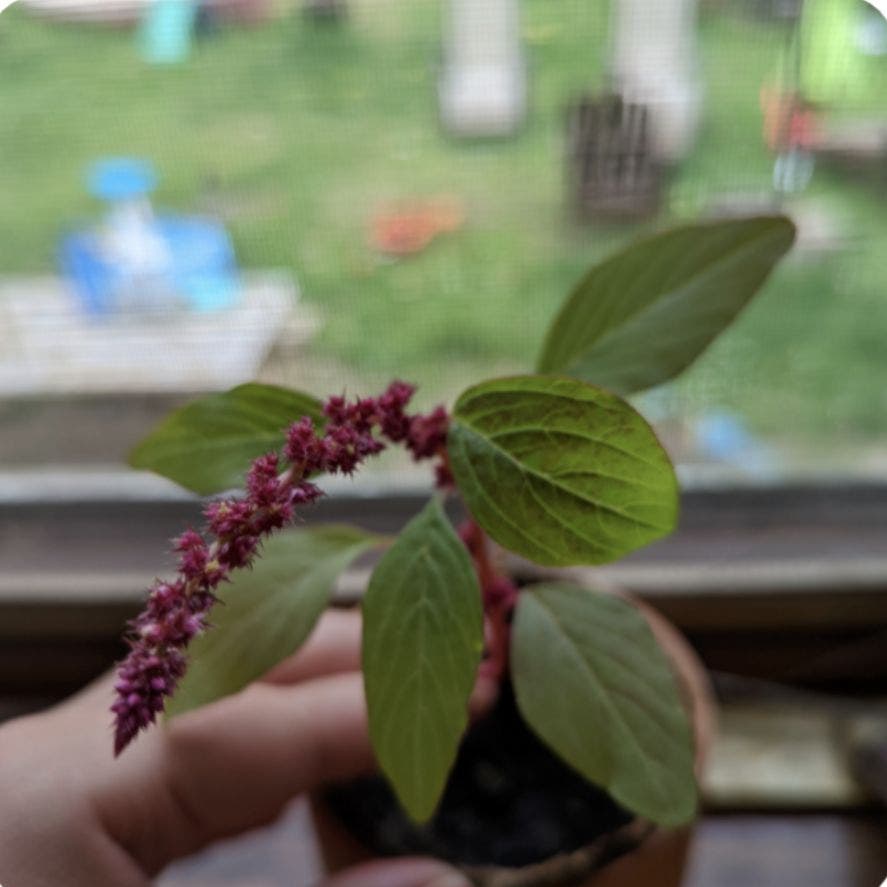
Light Requirements For My Purple Amaranth by Season
Amaranthus blitum
By the Greg Editorial Team
Jun 18, 2024•3 min read
This article was created with the help of AI so we can cover more plants for you. May contain errors. See one? Report it here.
Master seasonal light shifts to ensure your Purple Amaranth's year-round vibrance and bloom. 🌱🌞
- 🌞 Full sun in spring/summer maximizes Purple Amaranth's blooms and foliage.
- 💡 Bright, indirect indoor light or grow lights ensure year-round vibrancy.
- 🌷 Light influences flowering; adjust with seasons for optimal growth.
Seasonal Sunshine: Meeting Purple Amaranth's Outdoor Light Needs
🌞 Spring and Summer Bliss
In the spring and summer, Purple Amaranth is a sun worshipper. It thrives in full sun, which fuels its vibrant blooms and lush foliage.
Morning light is particularly golden, followed by some afternoon shade to prevent scorching.
🍂 Fall and Winter Adjustments
As the sun dips lower, Purple Amaranth's light needs shift.
Repositioning plants to catch the gentler rays is key to maintaining health as temperatures drop.
In winter, aim for maximum exposure to the sun's weaker beams without the need for constant relocation.
Remember, the sun's trajectory changes, so keep an eye out and move your Amaranth as needed—it's a bit of a sun-chasing dance.

Indoor Illumination Strategies
🌟 Year-Round Indoor Light Basics
In the quest for indoor plant perfection, bright, indirect light reigns supreme for your Purple Amaranth. East-facing windows are your best bet, offering a gentle morning sunbath without the scorching heat of the afternoon. Remember, distance from the window is a game-changer; too far back, and you're in the low-light league.
💡 Grow Lights: The Indoor Sun Substitute
When your windows just won't cut it, it's time to talk grow lights. LEDs are your energy-efficient sidekicks, while fluorescents are the wallet-friendly classics. HID lights? They're the heavyweights, often more than your leafy friends need. Aim for a grow light setup that traces the sun's arc, not a 24/7 Vegas neon. Keep it lit for 12-14 hours, and use a timer to avoid turning your Amaranth into a plant that never sleeps.

Flower Power: Light's Role in Purple Amaranth Blooming
🌅 Timing and Intensity
Light is the maestro conducting the Purple Amaranth's blooming symphony. Intensity and duration of light directly influence not just growth but the vibrancy of those show-stopping flowers. Anthocyanins, the pigments giving Purple Amaranth its royal hue, are produced in greater quantities with more light. It's like the plant's own version of turning up the saturation for that Instagram-worthy shot.
🌸 Seasonal Light Shifts and Flowering
As the Earth tilts and twirls through its seasons, Purple Amaranth's flowering cues are in lockstep with the sun's choreography. Shorter days in fall signal the plant to prep for a floral finale, while the long, bright days of summer are a green light for growth and flower production. It's a delicate dance of photoperiodism—plants need the right light rhythm to strut their stuff. Keep an eye on those shifting skies; your Purple Amaranth is watching too.

⚠️ Safety First
This content is for general information and may contain errors, omissions, or outdated details. It is not medical, veterinary advice, or an endorsement of therapeutic claims.
Always consult a qualified healthcare professional before using any plant as food, medicine, or supplement.
Never eat any plant (or feed one to pets) without confirming its identity with at least two trusted sources.
If you suspect poisoning, call Poison Control (800) 222-1222, the Pet Poison Helpline (800) 213-6680, or your local emergency service immediately.
Spotted an error? Please report it here.
Ensure your Purple Amaranth thrives 🌞 across all seasons with Greg's PlantVision, which helps you optimize light conditions as the sun's dance changes.