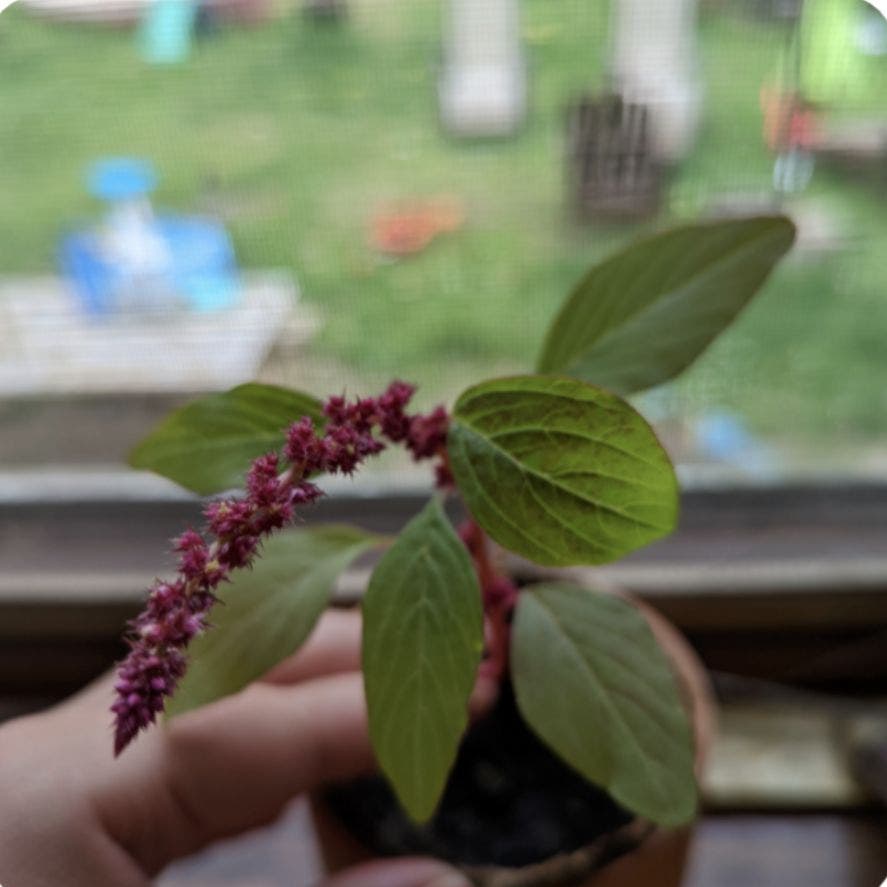
What Are The Bugs on My Purple Amaranth? 🐛
Amaranthus blitum
By the Greg Editorial Team
Jun 18, 2024•4 min read
This article was created with the help of AI so we can cover more plants for you. May contain errors. See one? Report it here.
Defend your Purple Amaranth 🌿 from pesky invaders with these proven pest-fighting strategies!
- Regular inspections prevent pest infestations on Purple Amaranth.
- Integrated Pest Management (IPM) employs cultural, biological, and chemical tactics.
- Natural predators and cleanliness are key in maintaining a pest-free plant.
Introduction
In the verdant world of Purple Amaranth, a silent war rages against minuscule invaders. Quick identification and decisive action are the twin shields that guard your plant's vitality.
🕵️ Spotting the Trouble Signs
Pest Patrol is not just a chore, it's a critical surveillance mission. Like a health check-up for your leafy friend, regular inspections are the frontline defense against the onslaught of bugs.
🛡️ Integrated Pest Management
It's a strategic game, not a spray-and-pray panic. Integrated Pest Management (IPM) combines tactics to keep bug populations in check, minimizing environmental harm and maximizing your plant's health.
🚫 Preventive Measures
A clean plant is a happy plant. Regular leaf washing and beneficial organisms are your covert operatives in the battle against bugs. They're the unsung heroes that keep your Purple Amaranth from becoming an all-you-can-eat buffet for pests.
🦸 Allies in the Garden
Your garden is an ecosystem, and beneficial insects are your allies. Like picking the best players for a dodgeball team, introducing predators like ladybugs can naturally control aphid populations and keep your Purple Amaranth thriving.

Meet the Unwanted Guests: Common Pests on Purple Amaranth
🕷️ Spider Mites: The Sneaky Sap-Suckers
Tiny webbing on leaves? Spider mites are likely the culprits. They're sap-sucking pests that can wreak havoc on your Purple Amaranth. Fight back by introducing predatory mites or using a forceful water spray to dislodge them. Increase humidity to deter future invasions.
🛡️ Scale: The Sticky Shield-Bearers
Scale insects are masters of disguise, appearing as bumps on your plant's stems and leaves. Unmasking scale requires a keen eye. Combat them with insecticidal soaps or systemic insecticides. Prevent their return by regularly inspecting your plant and maintaining its health.
🦟 Fungus Gnats and Fruit Flies: The Soil Lurkers
Noticing tiny flies around your Purple Amaranth? Fungus gnats and fruit flies love moist soil. To tackle them, let the soil dry out between waterings and use sticky traps. Soil security is about balance—avoid overwatering to keep these pests at bay.
🐛 Mealybugs: The Fluffy White Menace
Cotton-like clusters signal a mealybug invasion. Eradicate these pests with a dab of alcohol or a spray of insecticidal soap. Keep your plant clean and check regularly to maintain a mealybug-resistant environment.
🦗 Aphids: The Sap-Sucking Swarm
Clusters of tiny bugs on stems or under leaves? Aphids are in town. Attract ladybugs, their natural predators, or use neem oil to send them packing. Prevent aphids by inspecting new plants and promoting strong plant growth.
🦋 Whiteflies: The Ghostly Plant Drainers
A cloud of white when you disturb your plant? Whiteflies. They're sap-drainers that can be persistent. Use yellow sticky traps or insecticides to combat them. Preventative measures include good airflow and regular plant checks.
Other Pests to Watch Out For
Occasionally, your Purple Amaranth may attract other pests like thrips or vine weevils. Quick profiles help you identify these less common invaders. Tailored tactics such as specific insecticides or traps may be necessary to deal with these pests.

Conclusion
In the trenches of garden warfare, your Purple Amaranth's health hinges on your vigilance and consistent care. Remember, pests are like party crashers; uninvited and relentless. But with the right strategies, you can keep your leafy comrade thriving, sans the creepy crawlies.
🛡️ Key Practices for Prevention
- Regular inspections are your first line of defense. Spotting pests early can mean the difference between a quick fix and a full-blown infestation.
- Healthy plants are less appealing to bugs, so keep your Purple Amaranth in top shape.
- Cleanliness is next to pestlessness. Keep your growing area tidy to reduce the chance of infestations.
🧠 The IPM Mindset
- Integrated Pest Management (IPM) is your strategic ally. It combines cultural, biological, and chemical warfare to keep pests in check.
- Cultural strategies like rotating your plant's location and companion planting can be game-changers.
- Biological tactics include introducing natural predators like ladybugs to chow down on aphids and whiteflies.
💣 When Chemicals are the Last Resort
- If you must go nuclear, choose targeted, environment-friendly pesticides like neem oil or insecticidal soap.
- Always read labels and follow instructions to the letter. Overkill isn't just unnecessary; it's uncool.
🕵️ The Aftermath
- Post-battle, keep a watchful eye. Some pests can bounce back from hidden eggs, so regular inspections are crucial.
- If you bring home new plants, quarantine them first. You don't want any stowaway pests crashing your Purple Amaranth's pest-free party.
By embracing these strategies, you'll not only protect your Purple Amaranth from the onslaught of pests but also foster a garden that's both resilient and vibrant. Keep at it, and your Purple Amaranth will stand as a testament to your gardening prowess—bug-free and beautiful.

⚠️ Safety First
This content is for general information and may contain errors, omissions, or outdated details. It is not medical, veterinary advice, or an endorsement of therapeutic claims.
Always consult a qualified healthcare professional before using any plant as food, medicine, or supplement.
Never eat any plant (or feed one to pets) without confirming its identity with at least two trusted sources.
If you suspect poisoning, call Poison Control (800) 222-1222, the Pet Poison Helpline (800) 213-6680, or your local emergency service immediately.
Spotted an error? Please report it here.
Ensure your Purple Amaranth stays resilient 🛡️ against pests with Greg's tailored care plans and community wisdom for early detection and prevention.