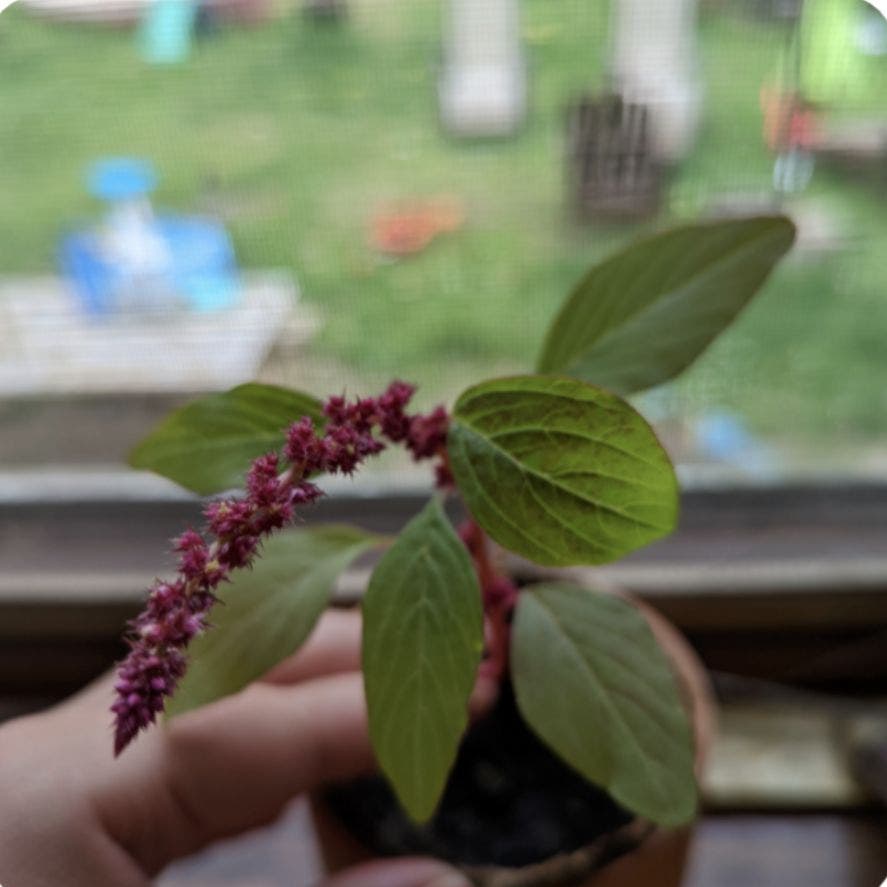
How Do I Fix Purple Amaranth Root Rot?
Amaranthus blitum
By the Greg Editorial Team
Jun 18, 2024•3 min read
This article was created with the help of AI so we can cover more plants for you. May contain errors. See one? Report it here.
Rescue your Purple Amaranth 🌿 from root rot and ensure its vibrant growth with these proven fixes and tips.
- Wilting leaves and foul odor signal Purple Amaranth root rot.
- Remove affected roots and soil, then adjust watering and soil drainage.
- Consistent moisture management and sun exposure prevent future rot.
Spotting the Trouble Signs
🚨 Visual Symptoms
Wilting and yellowing leaves on your Purple Amaranth are not just a bad hair day for your plant; they're distress flares. A foul odor from the soil is like your plant's way of saying, "Hey, I'm in a bit of a pickle down here!"
🔍 Root Inspection
To play plant detective, you'll need to unearth the roots—gently, like you're handling a historical artifact. Healthy roots are the supermodels of the plant world: firm, white, and runway-ready. Unhealthy roots? Think mushy, brown, and ready for retirement.

Taking Action Against Root Rot
🌱 Immediate Remedies
Root Rot: It's like a bad haircut; you've got to trim off the dead ends to let the good stuff flourish. Snip away any roots that are mushy, brown, or smell like last week's forgotten leftovers. Keep the healthy, yellow roots, as they're still in the game.
Soil's Out: Chuck the infected soil like it's gone out of style. It's not doing your Purple Amaranth any favors.
Sterilize: After you've played surgeon with your plant's roots, sterilize your tools. You wouldn't want to spread the root rot love to your other green buddies.
🌿 Long-term Recovery
Watering: Overwatering is the helicopter parent of the plant world—it means well but ends up causing more issues. Adjust your watering habits to give your Purple Amaranth the space it needs to breathe.
Drainage: Think of your plant's soil like a good cheesecake recipe—it needs the right amount of aeration. Improve soil drainage to keep those roots as dry as a witty comeback.
Raised Beds: If you're feeling fancy, consider raised beds or berms. They're like the penthouses of the garden world, offering better drainage and a swanky address for your Purple Amaranth.

Keeping Root Rot at Bay
💧 Watering Wisdom
Watering is a delicate dance with Purple Amaranth. Overdo it, and you're asking for trouble; underdo it, and your plant throws a fit. To hit the sweet spot, water when the top inch of soil feels dry. Consistency is key—establish a routine to check soil moisture regularly.
🛠 Tools and Techniques
A moisture meter can be your best friend, taking the guesswork out of watering. Alternatively, your finger is a free and surprisingly effective tool. When in doubt, less is more—Purple Amaranth can bounce back from a drought better than a flood.
🌱 Soil and Site Selection
Choosing the right soil mix is like picking a good wine—it can make or break the meal. Go for a well-draining, airy mix to keep those roots happy and breathing. A little perlite or sand can improve drainage, much like aeration benefits a fine red.
🌞 Location, Location, Location
Sunlight is the best disinfectant, and the same goes for Purple Amaranth. Full sun locations help soil dry out faster, reducing the risk of root rot. Elevation is your ally; raised beds or pots prevent water from pooling around your plant's feet.
Remember, vigilance is your gardening superpower. Keep an eye on your Purple Amaranth, and don't be afraid to adjust your care routine as needed. Your plant will thank you with vibrant growth and resilience against root rot.

⚠️ Safety First
This content is for general information and may contain errors, omissions, or outdated details. It is not medical, veterinary advice, or an endorsement of therapeutic claims.
Always consult a qualified healthcare professional before using any plant as food, medicine, or supplement.
Never eat any plant (or feed one to pets) without confirming its identity with at least two trusted sources.
If you suspect poisoning, call Poison Control (800) 222-1222, the Pet Poison Helpline (800) 213-6680, or your local emergency service immediately.
Spotted an error? Please report it here.
Combat Purple Amaranth root rot by trimming the mushy, keeping the firm, and let Greg fine-tune your watering 🌱 to prevent future woes.