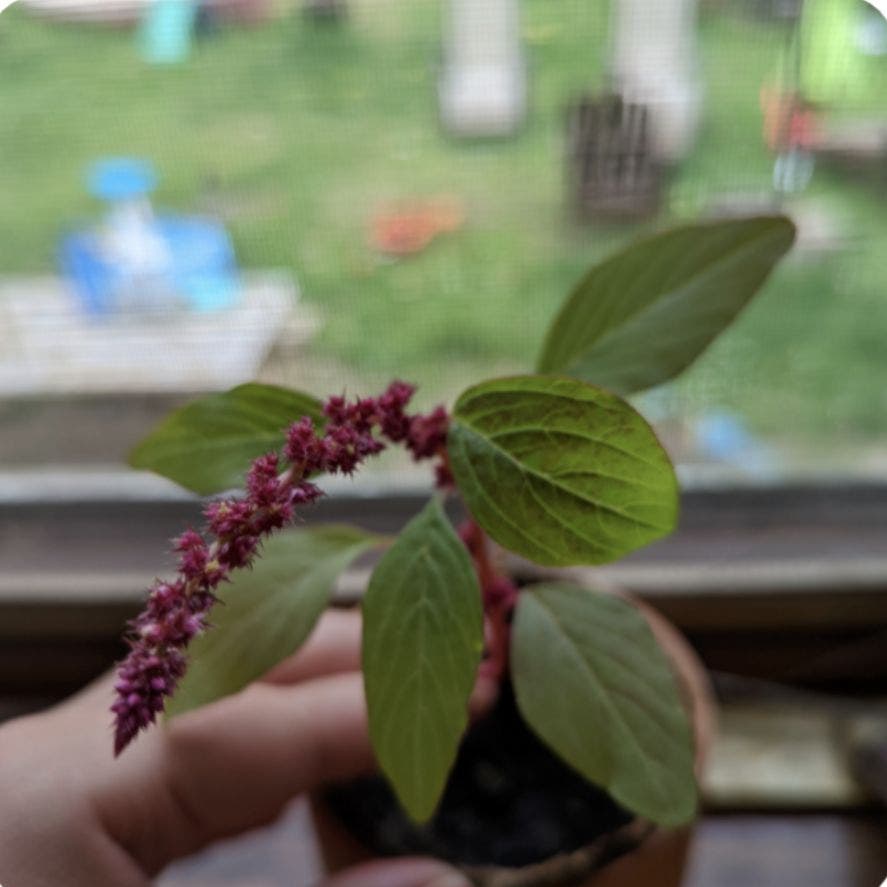
How Can You Tell If A Purple Amaranth Is Dying?
Amaranthus blitum
By the Greg Editorial Team
Jun 18, 2024•4 min read
This article was created with the help of AI so we can cover more plants for you. May contain errors. See one? Report it here.
Revive your wilting Purple Amaranth 🌿 and keep it thriving with these essential care tips!
- Balance watering to prevent root rot and drooping leaves.
- Adjust light and temperature to avoid stunted growth and leaf curling.
- Combat pests and fungi with safe control strategies and improved airflow.
Water Woes: Too Much or Too Little?
💧 Over-watering and Root Rot
Yellowing leaves and a wilting spirit in your Purple Amaranth might not be a cry for more water, but a plea for less. Over-watering can lead to root rot, which is as bad for plants as soggy cereal is for your breakfast experience.
Check the roots: if they're softer than your favorite pillow, it's time to cut back on the hydration.
💦 Saving your plant: Cutting back on water and improving drainage
To rescue your waterlogged Amaranth, ease up on the watering can. Ensure the pot has drainage holes to avoid creating a mini swamp for the roots. If the soil feels more clingy than a wet beach towel, consider a soil that's more like a sieve, less like a sponge.
🏜️ Under-watering
On the flip side, drooping and dry leaves are your plant's equivalent of a parched throat. If the soil is drier than a stand-up comedian's wit, it's time to give your plant a drink.
Adjust your watering routine: Find a balance that's just right – not a monsoon, not a drought. Keep an eye on the weather, as plants can be as fickle as springtime weather; they need more when it's hot and less when it's cool.
Remember, consistency is key. Don't water on a whim; make it a ritual, like your morning coffee. If the leaves perk up after watering, you've hit the sweet spot. If they stay droopy, you might be overdoing it. Keep a watchful eye – your plant's health is riding on the waves of your watering wisdom.

Light and Temperature: Finding the Sweet Spot
🌞 Too Much Sun, Not Enough Light
Stunted growth and pale leaves are telltale signs your Purple Amaranth is getting too much sun or not enough light. It's a delicate balance, like a tightrope walker in a gusty wind.
Adjusting the rays means finding that sweet spot of bright, indirect light where your plant can flourish without the risk of a sunburn or a case of the doldrums.
🌡️ Temperature Tantrums
Leaf curling and browning? Your Amaranth is likely having a temperature tantrum. It's not being dramatic; it's just sensitive to its environment.
Keeping it comfy involves stabilizing your plant's climate. Aim for a consistent temperature range, ideally between 18-24ºC (64-75ºF), to avoid those leafy fits of rage.

Pests and Pathogens: Uninvited Guests
🐛 Bug Battles
Holes in leaves and webbing are tell-tale signs of insect infestations. Your Purple Amaranth might be hosting a bug banquet. To fight back, consider insecticidal soaps or neem oil as your first line of defense. These solutions are gentle on plants but tough on pests.
For a more natural approach, introduce predatory insects like ladybugs or lacewings. They're the mercenaries in the garden, taking down aphids with gusto. Remember, it's a bug-eat-bug world out there, and you're in command.
🍄 Fungal Foes
Fuzzy growths and discoloration on your Purple Amaranth could mean a fungal party is underway. Mold and mildew thrive in stagnant air and damp conditions. To clear the air, boost circulation with fans or open windows and consider spacing your plants to allow them to breathe.
If you're dealing with persistent fungal issues, it might be time for a fungicide. But before you wage chemical warfare, try removing affected leaves to stop the spread. Keep the environment dry; your plant will thank you for not letting those fungal freeloaders crash the party.

Environmental Extremes: Avoiding Plant Stress
🌞 Leaf Scorching
Brown, crispy patches on your Purple Amaranth's leaves are the plant's version of a distress flare. It's begging for a break from the sun's intense interrogation lamp. To provide relief, consider shading strategies like a sun cloth or relocating to a less intense spot. Hydration tips? Think of it as a spa day for your plant—consistent watering can help it recover from its sunburnt state.
🔄 Inconsistent Care
A general decline in health is your Purple Amaranth's way of telling you that it's not just about the occasional check-in. Regular, attentive care is non-negotiable. Review your care routine like you're auditing your life choices. Adjusting care routines might include watering adjustments with the seasons or rotating the plant for even growth. It's about providing consistent TLC, not just when you remember that plant life depends on you.
⚠️ Safety First
This content is for general information and may contain errors, omissions, or outdated details. It is not medical, veterinary advice, or an endorsement of therapeutic claims.
Always consult a qualified healthcare professional before using any plant as food, medicine, or supplement.
Never eat any plant (or feed one to pets) without confirming its identity with at least two trusted sources.
If you suspect poisoning, call Poison Control (800) 222-1222, the Pet Poison Helpline (800) 213-6680, or your local emergency service immediately.
Spotted an error? Please report it here.
Bring your purple amaranth back to vibrant life 🌿 with Greg's tailored care plans, ensuring you strike the perfect water, light, and temperature balance.