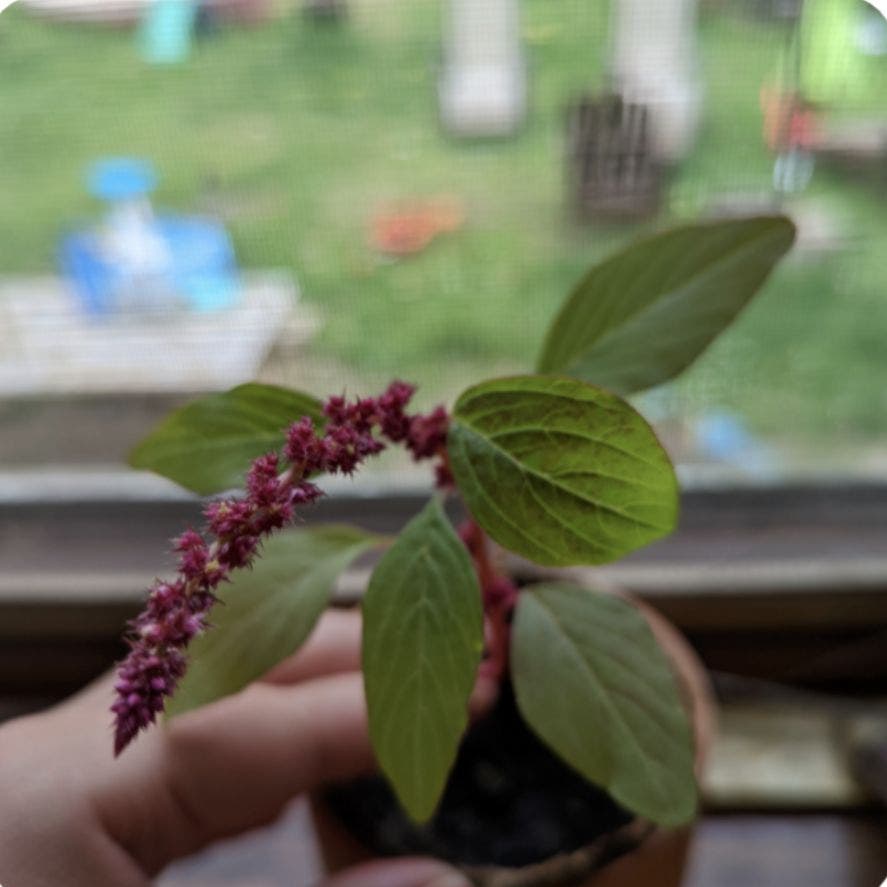
Propagating Purple Amaranth: The Ultimate Guide
Amaranthus blitum
By the Greg Editorial Team
Jun 18, 2024•4 min read
This article was created with the help of AI so we can cover more plants for you. May contain errors. See one? Report it here.
Propagate Purple Amaranth effortlessly and beautify your garden with this fail-proof guide. 🌿💜
- Harvest and store seeds for successful Purple Amaranth propagation.
- Use rooting hormone on stem cuttings for better root development.
- Divide in spring ensuring each part has leaves, stems, and roots.
Propagation by Seeds: Sowing the Future
🌱 Collecting the Bounty
Harvesting seeds from your Purple Amaranth is like hitting the jackpot in your garden casino. Wait for the flowers to fade and gather the seeds; they're your ticket to more plants.
🌟 Prepping for Success
Clean those precious seeds like they're gold nuggets. Store them in a cool, dry place, ensuring they're primed for planting. Viability is the name of the game.
🌱 Planting the Seeds of Tomorrow
Get your soil mix right; think of it as the cradle for your future amaranth babies. Plant seeds at the perfect depth, and space them out like dancers in a choreographed number.
🌱 Germination Station
Create a germination haven with warmth and moisture. It's like setting up a backstage area for the seeds to sprout their first roots and shoots. Patience is your silent partner here.

Taking Root: Stem Cutting Propagation
🌱 Choosing Your Champions
Selecting robust, healthy stems is the cornerstone of successful propagation. Look for stems that are disease-free, with a semi-hardwood consistency, and approximately 4-6 inches long.
✂️ The Cutting Edge
Sanitize your cutting tools to prevent the spread of disease. Make a clean, angled cut just below a leaf node to maximize the area available for root growth. Remove the lower leaves, leaving a couple at the top for photosynthesis.
🌱 Rooting for Growth
A dip in rooting hormone can significantly boost root development. Though not essential, it's like giving your cuttings a motivational speech. After the hormone pep talk, it's time to plant the cutting in your chosen medium.
🌱 Soil vs. Water: The Rooting Showdown
Soil rooting provides a stable environment for cuttings, with nutrients readily available as roots develop. However, it's harder to monitor root growth. Water rooting allows for easy observation of root progress but requires a transition to soil later, which can be a delicate process. Choose based on your preference for visibility or convenience.

Doubling Down: Division Propagation
⏰ Timing is Everything
- Spring is the sweet spot for dividing your Purple Amaranth, but if your plant is bursting at the seams, don't be shy—divide anytime.
- Wait for a period of active growth; avoid times when the plant is flowering or under stress.
🛠 Divide and Conquer
- Ease the plant out of its pot, being mindful of the root ball's feelings.
- Gently untangle the roots, like you're solving a puzzle made of spaghetti.
- Ensure each new section has a fair share of leaves, stems, and roots—think of it as a balanced meal for plants.
- Nestle each division into its own pot with fresh soil, cozy but not cramped.
- Water them in to settle their new homes and place them in a bright spot, shielded from the harsh sun.
🌱 After the Split
- Hold off on fertilizing; let the roots recover and acclimate to their new digs.
- Keep the soil moist but not waterlogged; it's a drink, not a bath.
- Watch for new growth as a sign of success; it's like waiting for bread to rise, but with more photosynthesis.

Overcoming Propagation Pitfalls
🌱 Common Seed Struggles
Cold soil is a seed's nemesis. Ensure your starting mix is warm and cozy for optimal germination. Poor drainage turns your seed tray into an unwelcome swamp; aim for well-draining soil. Air circulation is key—stagnant air invites fungal fiestas. Sterilize your mix and containers to prevent unwanted microbial parties. Low light equals leggy, weak seedlings; give them the sunshine they deserve or a good artificial stand-in.
✂️ Cutting Calamities
Rotting cuttings? Too much water or bad drainage. Think colander, not bowl. Non-rooting issues often stem from chilly temps or inadequate light. Keep cuttings warm and well-lit, like a plant's version of a beach vacation. Clean tools are non-negotiable; dirty ones invite disease like unwelcome guests. Watering is a balancing act—aim for moist, not drenched.
🌿 Division Dilemmas
Shock and root damage can follow division. Handle your plants like fine china—gentle and with care. If your amaranth looks more shocked than a cat in a cucumber patch, give it time and TLC. Ensure the soil is fertile and the environment stable to ease their transition. Remember, plants are resilient, but they appreciate a soft hand during tough times.
⚠️ Safety First
This content is for general information and may contain errors, omissions, or outdated details. It is not medical, veterinary advice, or an endorsement of therapeutic claims.
Always consult a qualified healthcare professional before using any plant as food, medicine, or supplement.
Never eat any plant (or feed one to pets) without confirming its identity with at least two trusted sources.
If you suspect poisoning, call Poison Control (800) 222-1222, the Pet Poison Helpline (800) 213-6680, or your local emergency service immediately.
Spotted an error? Please report it here.
Propagate Purple Amaranth successfully 🌱 with Greg's tailored care reminders that guide you through seed sowing, cutting, and division with confidence!