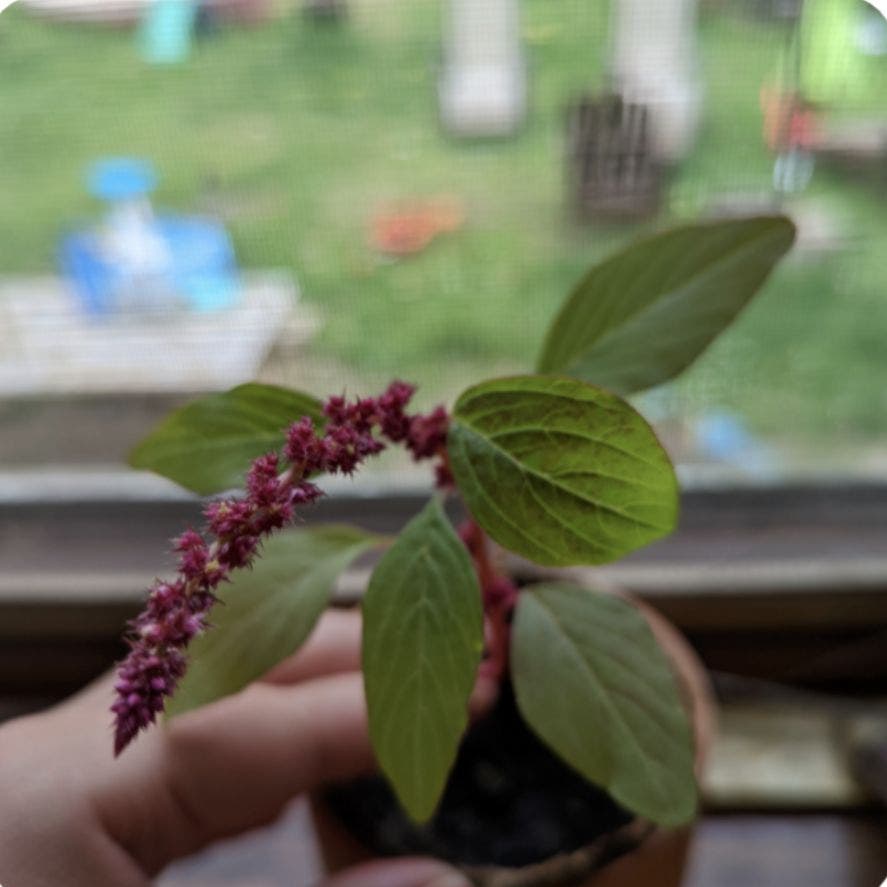
Best Soil for Purple Amaranth
Amaranthus blitum
By the Greg Editorial Team
Jun 18, 2024•4 min read
This article was created with the help of AI so we can cover more plants for you. May contain errors. See one? Report it here.
Nurture a lush Purple Amaranth garden 🌺 by mastering the art of the perfect soil mix.
- Mold and compaction signal soil issues for Purple Amaranth.
- DIY soil mix: equal parts compost, perlite, and sand.
- Test and amend soil pH annually for optimal health.
Spotting Trouble: When Your Purple Amaranth's Soil Goes Bad
🚩 Recognizing the Red Flags
Mold on soil is like a bad tattoo—it's a regrettable sign that something's amiss. Look for fuzzy growths or a musty odor that screams "I need a change!" Compaction is another troublemaker; if your soil's harder than a week-old bagel, your Purple Amaranth is suffocating.
🔄 Turning Things Around
To evict mold, cut back on watering and crank up the air circulation. Sunlight is your ally—let your plant soak in some rays. Persistent mold means it's time to repot with a fresh, sterile mix. Keep the new digs on the dry side to avoid a mold encore.
For compacted soil, it's renovation time. Loosen up the soil with a fork and mix in some gritty friends like perlite or sand. This will improve drainage and let your Purple Amaranth breathe easy. Remember, roots are like introverts—they need their space.

Crafting the Perfect Home for Purple Amaranth: DIY Soil Mix
🌱 The Recipe for Success
Creating a nutrient-rich, well-draining soil mix for Purple Amaranth is like assembling a dream team of ingredients. Start with one part compost for a healthy dose of organic matter. Add one part perlite to ensure those roots can breathe easy. Then, mix in one part coarse sand to keep the drainage sharp. This trio is the foundation of a soil mix that's as supportive as a best friend.
🌿 Mixing It Up
Time to get your hands dirty with a step-by-step guide to crafting your homemade soil blend.
- Don your gardening gloves; it's about to get gritty.
- In a large container, combine one part compost. This is your soil's multivitamin, packed with nutrients.
- Add one part perlite. Think of it as the soil's personal trainer, keeping things light and aerated.
- Mix in one part coarse sand. It's the no-nonsense bouncer, ensuring excess water drains away fast.
- Stir the mixture with a trowel until it's as uniform as a well-mixed cocktail.
- Feel the texture; it should be loose and crumbly, like a freshly baked cake.
- Fill your pots, leaving some breathing room at the top for watering without spillage.
Remember, the right soil mix for Purple Amaranth isn't just about growth; it's about giving your plant a luxurious home.

Tailoring Your Terrain: Amending Soil for Purple Amaranth
🌱 Testing the Waters
To ensure your Purple Amaranth thrives, soil testing is a must. It's like being a detective, examining clues to your plant's health. Grab a soil testing kit and check the pH levels and nutrient content. Purple Amaranth prefers a slightly acidic to neutral pH (6.0 to 7.0). If the pH is off, your plant might as well be trying to sip nutrients through a clogged straw.
🌿 The Adjustment Bureau
Once you've got the dirt on your soil, it's time to get your hands dirty. If your soil is too acidic, a sprinkle of lime can sweeten it up. Conversely, if it's too alkaline, a dash of sulfur or peat moss will add the necessary tang. Think of it as seasoning your garden's meal. For nutrients, if nitrogen, phosphorus, or potassium are lacking, a balanced fertilizer can fill the gaps. Remember, overdoing it can be just as bad as a deficiency, so apply amendments judiciously.

Long-Term Soil Care for Purple Amaranth
🌱 Keeping the Balance
Consistency is the secret ingredient to long-term soil health for Purple Amaranth.
Regularly check for soil compaction and fluff it up to maintain aeration.
Monitor moisture levels to prevent waterlogging or drought stress.
Mulch with organic material to conserve moisture and suppress weeds.
Test soil pH annually; Purple Amaranth prefers slightly acidic to neutral soil.
Amend the soil as needed based on test results to keep nutrients balanced.
Rotate your Purple Amaranth with other crops to deter pests and diseases.
Deadhead spent blooms to encourage more flowers and prevent self-seeding chaos.
🌿 When to Refresh or Replace Soil
Refresh the top layer of soil each year to rejuvenate nutrients.
Replace soil completely if persistent issues like disease or severe compaction occur.
Consider a soil change before winter or at the start of the growing season for best results.
Repotting potted Purple Amaranth can give roots new space and nutrients to explore.
⚠️ Safety First
This content is for general information and may contain errors, omissions, or outdated details. It is not medical, veterinary advice, or an endorsement of therapeutic claims.
Always consult a qualified healthcare professional before using any plant as food, medicine, or supplement.
Never eat any plant (or feed one to pets) without confirming its identity with at least two trusted sources.
If you suspect poisoning, call Poison Control (800) 222-1222, the Pet Poison Helpline (800) 213-6680, or your local emergency service immediately.
Spotted an error? Please report it here.
Nurture your Purple Amaranth with the ideal soil mix and let Greg's soil monitoring alerts 🌱 ensure it remains in top condition year-round.