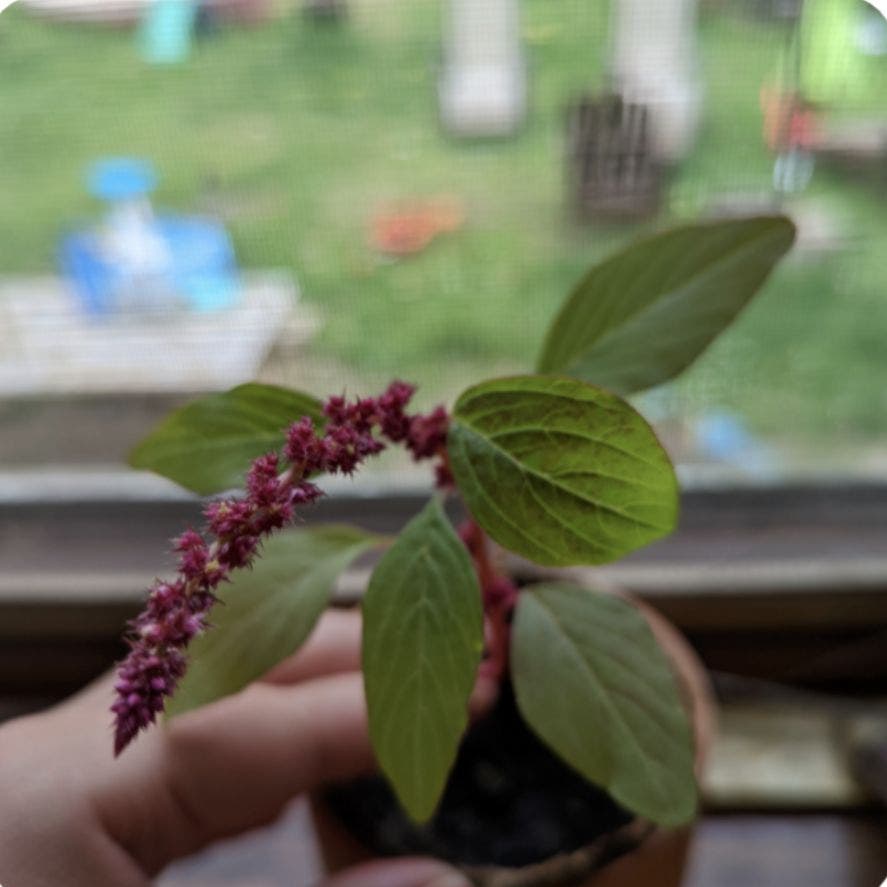
How to Prune Purple Amaranth
Amaranthus blitum
By the Greg Editorial Team
Jun 18, 2024•3 min read
This article was created with the help of AI so we can cover more plants for you. May contain errors. See one? Report it here.
Elevate your garden's allure and amaranth health with savvy pruning tips 🌿✂️—it's simpler than you think!
- Spring pruning boosts growth and health in Purple Amaranth.
- Sharp, sterilized tools are key for precision and disease prevention.
- Cut at 45-degree angles for optimal new growth and plant health.
Best Time to Prune Your Purple Amaranth
🌱 Seasonal Timing
Pruning your Purple Amaranth isn't just about snipping away; it's about timing. Spring is your go-to season, aligning with the plant's natural growth spurt. This timing sets the stage for vigorous growth, encouraging the plant to channel energy into fresh, healthy foliage.
🔄 Growth Stage Considerations
Understanding the life cycle of Purple Amaranth is crucial for pruning. After the last frost, when the soil warms up, your plant is ready to take off. That's your cue to prune. Early growth stages are ideal for shaping the plant, while later stages require a more delicate touch, focusing on maintenance and health.

Tools of the Trade
🌿 Choosing the Right Pruning Tools
Pruning your Purple Amaranth isn't about brandishing the biggest shears you can find. Precision is the name of the game. Start with sharp pruning shears or scissors; they're the Swiss Army knives of the pruning world. For the thicker, more obstinate stems, arm yourself with loppers or a small hand saw. Think of it as a surgical kit for your garden: each tool has its purpose, and a clean cut is paramount.
🛁 Preparing Your Tools for Pruning
Before you play Edward Scissorhands with your plants, make sure your tools are not just clean, but sterilized. Dip them in rubbing alcohol or a bleach solution; it's like giving your tools a bath in a disinfectant hot tub. And let's not forget about sharpening; a dull blade can butcher your plant faster than a horror movie villain. A sharp blade makes for a happy plant, and a happy plant makes for a happy gardener.

The Art of Pruning Purple Amaranth
🔍 Identifying What to Prune
Pruning Purple Amaranth begins with a keen eye. Look for stems that are dead, damaged, or diseased; these are your primary targets. Leaves that have lost their luster or are riddled with spots also need to go. It's not just about aesthetics—it's plant triage, ensuring the healthiest growth prevails.
✂️ Pruning Techniques
Sharp, clean tools are non-negotiable. Start with sterilized shears to prevent disease spread. Make cuts at a 45-degree angle just above leaf nodes or branching points to encourage new growth. Be bold but not overzealous; over-pruning can stress your amaranth.
🌱 Aftercare: Post-Pruning Practices
Once you've finished pruning, focus on aftercare. Water the soil, not the foliage, to deter fungal guests. Mulch can help retain moisture and protect the plant's base. Keep an eye on your amaranth; proper aftercare can mean the difference between thriving and merely surviving.

Special Pruning Considerations
🌱 Encouraging Seed Production
Pruning isn't just about keeping your Purple Amaranth looking sharp; it's a strategic move for seed buffs. By snipping off the right parts at the right time, you're essentially telling your plant, "Hey, let's focus on making seeds, not just being leafy." Early to mid-summer is prime time for this, right before flowering kicks into high gear. Cut back a third of the plant to spur seed development, but don't go Edward Scissorhands on it—over-pruning can backfire.
🌿 Handling Variegated Varieties
Variegated Purple Amaranth is like the cool kid of the plant world, with its flashy leaves demanding attention. Pruning these show-offs requires a keen eye. Spot the reverters—those leaves that decide to go rogue and ditch the variegation. Snip them off to keep the variegation strong, and do it with confidence. Your plant will thank you by staying as vibrant as a neon sign. Remember, it's not just about aesthetics; it's about maintaining the plant's health and encouraging the growth you want to see.
⚠️ Safety First
This content is for general information and may contain errors, omissions, or outdated details. It is not medical, veterinary advice, or an endorsement of therapeutic claims.
Always consult a qualified healthcare professional before using any plant as food, medicine, or supplement.
Never eat any plant (or feed one to pets) without confirming its identity with at least two trusted sources.
If you suspect poisoning, call Poison Control (800) 222-1222, the Pet Poison Helpline (800) 213-6680, or your local emergency service immediately.
Spotted an error? Please report it here.
Prune your Purple Amaranth to perfection and watch it thrive with vigorous growth 🌿, all while Greg sends you tailored care reminders for unbeatable foliage.