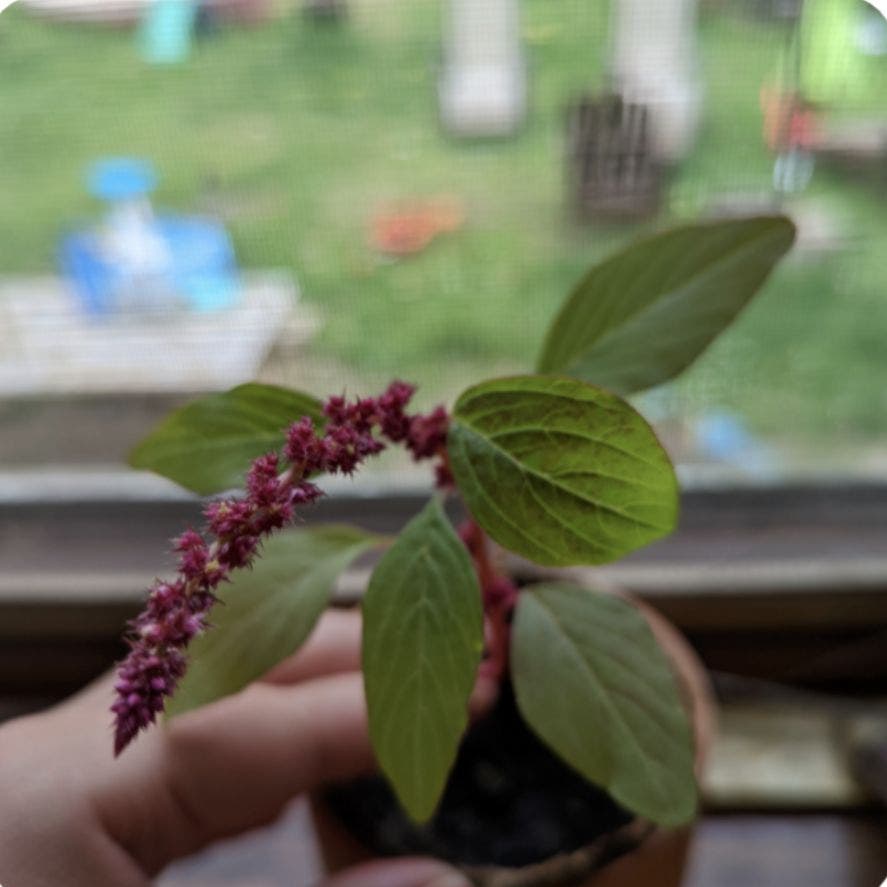
How to Know When to Repot a Purple Amaranth?
Amaranthus blitum
By the Greg Editorial Team
Jun 18, 2024•5 min read
This article was created with the help of AI so we can cover more plants for you. May contain errors. See one? Report it here.
Discover the secret to a flourishing Purple Amaranth with timely repotting insights. 🌱✨
- Roots and water issues signal it's time to repot Purple Amaranth.
- Choose the right pot: Terracotta, 1-2 inches larger, with good drainage.
- Aftercare is crucial: Water well and provide bright, indirect light post-repotting.
Spot the Telltale Signs It's Time for a New Home
🌱 Root Clues: The Escape Artists
Roots poking out of drainage holes are like teenagers with limbs sprawling out of a twin bed—it's time for an upgrade. When roots circle the soil surface, they're not doing a victory lap; they're gasping for more space.
💧 Water Woes: The Hydration Heist
If water passes straight through the pot, it's not a magic trick; it's a cry for help. Conversely, when soil stays soggy, it's like a wet blanket at a party—nobody's thriving in that environment.
🌿 Growth Gripes: The Stunted Performance
Slowed growth or leaves that have lost their luster are like a comedian bombing on stage—something's off. Your Purple Amaranth's lackluster appearance is a sign it's time to rethink its living quarters.

Choosing the Right Pot and Potting Mix
🏺 Pot Considerations
When it comes to housing your Purple Amaranth, material matters. Terracotta pots are the go-to for their breathability, which prevents overwatering by wicking away excess moisture. Plastic pots, on the other hand, retain water and are lighter and often cheaper, while ceramic pots add weight and stability but can be less forgiving with water management.
Size is crucial. Opt for a new pot that's about 1-2 inches larger in diameter than the current one. This gives your plant room to grow without being swamped by too much soil, which can lead to waterlogging and nutrient burn.
🌱 Potting Mix Perfection
The ideal potting mix for Purple Amaranth is like a bespoke suit: tailored to fit. Start with a high-quality, general-purpose potting mix and consider adding organic matter like compost or peat moss. These additions aid in moisture retention and provide a buffet of nutrients for your plant.
pH balance is not to be overlooked. Purple Amaranth prefers a slightly acidic to neutral pH. Mixing in a bit of perlite or sand can improve drainage, ensuring that your amaranth doesn't get wet feet, which can be a real party pooper for root health.
Remember, the right pot and potting mix are like a good support system—they don't steal the spotlight but let your Purple Amaranth shine.

The Repotting Rundown
🌱 Pre-Repot Prep
Before diving into the repotting process, assemble your tools: a new pot with drainage holes, potting mix, and a watering can. Ensure your workspace is tidy to avoid a soil catastrophe.
Water your Purple Amaranth gently before the move. This eases the transition and makes the roots more pliable for the upcoming eviction from its current pot.
🌿 The Main Event: Repotting Step-by-Step
🌷 Gently Free the Plant
Start by coaxing your Purple Amaranth out of its old pot. Squeeze the sides to loosen the grip of the soil, and tip the pot to guide the plant out. No yanking allowed—this isn't a game of tug-of-war.
🌱 Inspect the Roots
Once freed, take a moment to inspect the roots. Trim any that are dead or excessively long, but don't get scissor-happy. You're aiming for healthy root architecture, not a bonsai project.
🌳 Nestle Your Plant
Place your plant in its new pot, ensuring it's not sitting too high or too low. The top of the root ball should be about an inch from the rim. Backfill with potting mix, tamping down to eliminate air pockets but not so much that you're compacting the soil into concrete.
🌾 Add Soil with Care
Add soil around the plant, filling in the gaps. Water sparingly to settle the soil, avoiding a flood. Your plant isn't on a water ride; it's in recovery mode. Give it a week to adjust before resuming normal watering.

Immediate Aftercare for a Happy Plant
💧 The First Watering: Reducing Transplant Shock
Water thoroughly after repotting your Purple Amaranth to settle it into its new abode and minimize shock. This isn't a mere suggestion—it's a critical step. The goal is to moisten the roots and help them feel at home, not to create a miniature swamp. Check the soil before watering again; it should be damp, not drenched.
🌞 Light and Location: Post-Repotting Strategy
Post-repotting, your Purple Amaranth craves stability. Bright light is non-negotiable to maintain its vibrant hue, but direct sunlight is a no-go. Think of it as sunbathing behind a sheer curtain—protected yet bright. Find a spot that mimics its previous conditions to avoid a full-blown plant meltdown. Remember, consistency is your new best friend during this sensitive time.
When Not to Repot
In the life of a Purple Amaranth, timing is everything, especially when deciding against repotting. There are moments when the urge to give your plant a new home should be resisted.
🚫 Identifying Times to Hold Off
Blooming or Stressful Periods: Just as you wouldn't move houses during a personal high-stakes event, avoid repotting your Purple Amaranth during its flowering phase or when it's visibly stressed. The extra strain could be the last straw, not the fresh start you intended.
Seasonal Considerations: Repotting in the height of summer or the chill of winter? Bad idea. These extremes can amplify transplant shock. Aim for the gentler transitions of spring or early fall when your plant is in its comfort zone.
🛑 Signs Your Purple Amaranth Should Stay Put
Stable Growth: If your plant is chugging along fine, showing no signs of discomfort in its current pot, let it be. Unnecessary repotting might just rock the boat.
Recent Transplant: If your Purple Amaranth was recently repotted, give it time to acclimate. Patience is a virtue that often rewards gardeners with healthier plants.
Healthy Roots in Sight: Not all visible roots signal a cry for help. Some surface roots are normal. If they're healthy and the plant isn't toppling over, it's not yet time for a new pot.
Remember, repotting is a means to an end, not a hobby to indulge in on a lazy Sunday. Your Purple Amaranth will thank you for your restraint with continued, robust growth.
⚠️ Safety First
This content is for general information and may contain errors, omissions, or outdated details. It is not medical, veterinary advice, or an endorsement of therapeutic claims.
Always consult a qualified healthcare professional before using any plant as food, medicine, or supplement.
Never eat any plant (or feed one to pets) without confirming its identity with at least two trusted sources.
If you suspect poisoning, call Poison Control (800) 222-1222, the Pet Poison Helpline (800) 213-6680, or your local emergency service immediately.
Spotted an error? Please report it here.
Ensure your Purple Amaranth thrives in its new pot by letting Greg measure the perfect size 📏 and guide you through the ideal soil mix for a seamless transition.