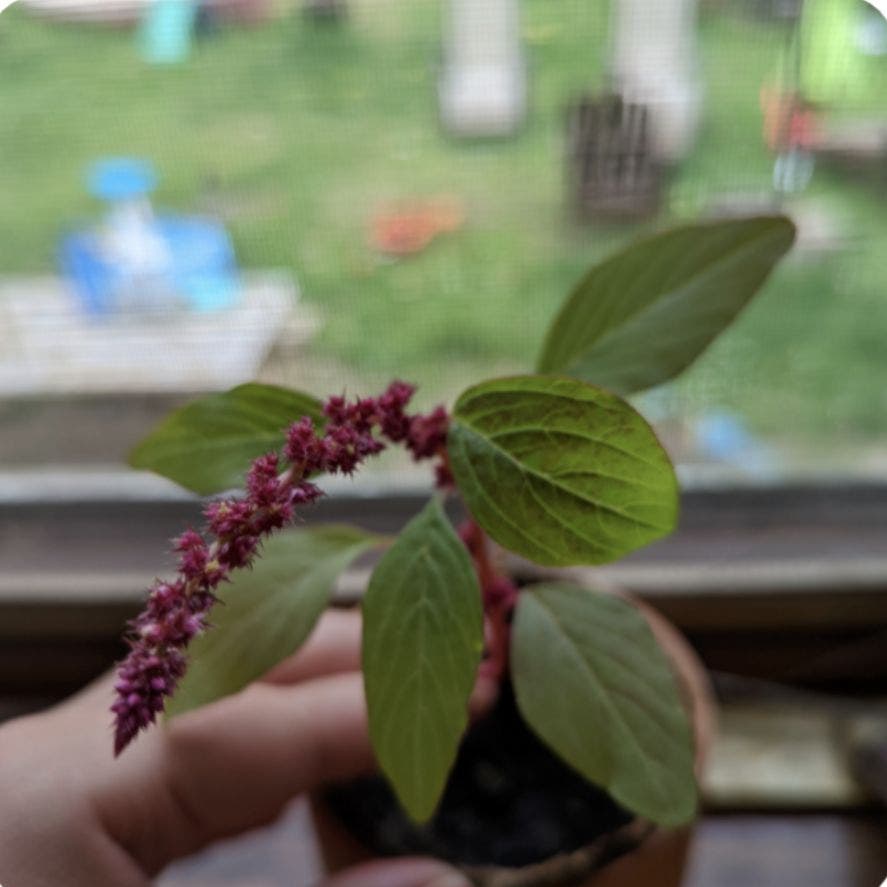
🌞 Does My Purple Amaranth Need Direct Sunlight?
Amaranthus blitum
By the Greg Editorial Team
Jan 21, 2024•4 min read
This article was created with the help of AI so we can cover more plants for you. May contain errors. See one? Report it here.
Nurture vibrant Purple Amaranth blooms by finding its sunlight sweet spot—too much can scorch! 🌞🌱
- 🌞 Moderate direct sun is key for Purple Amaranth's health and color.
- 🌱 East or west-facing windows are best; adjust with seasons.
- 🛑 Crispy edges signal too much sun; move to shade or use sheer curtains.
Sunlight and the Purple Amaranth: A Delicate Dance
🌞 What Does Direct Sunlight Mean for Your Purple Amaranth?
Direct sunlight is the unfiltered solar handshake that reaches your Purple Amaranth. Indirect sunlight, on the other hand, is like the sun waving from behind a sheer curtain. When the Purple Amaranth gets direct sunlight, it's like it's basking in the spotlight, but too much can lead to a drama of scorched leaves.
🌞 Can Purple Amaranth Soak Up the Sun?
Purple Amaranth can handle some direct sun, but it's not a sunbathing champion. Moderation is key. If you notice the leaves throwing a fit—crispy edges, faded color—it's the plant's way of saying, "I've had enough!" Keep an eye out for these tan lines; they're your cue to shuffle your plant to a shadier spot.
Where to Place Your Purple Amaranth for Prime Sunbathing
🌞 Window Direction: A Compass for Plant Placement
East or west, that is the question. East-facing windows are the morning light maestros, offering your Purple Amaranth a gentle start to the day. West-facing windows, on the other hand, are the afternoon's main event, dishing out the sun's encore performance.
South-facing windows? They're the all-day sun buffet in the Northern Hemisphere, while north-facing ones are the Southern Hemisphere's equivalent. But beware, the all-you-can-eat sunlight special can sometimes be too much for your leafy friend.
🌍 Hemisphere Hints: Seasonal Sunlight Shifts
The sun plays favorites depending on where you are on the globe. In the Northern Hemisphere, south-facing windows are your plant's best pal for soaking up the rays. Flip it if you're down under; north-facing windows take the crown in the Southern Hemisphere.
Seasons change, and so should your plant's spot. When winter whispers, move your Purple Amaranth closer to the light. Summer's sizzle means stepping back to avoid a sunburn. It's a little like playing musical chairs with Mother Nature as the DJ.
Protecting Your Purple Amaranth from Sunburn
⛱️ When the Sun's Embrace Becomes Too Tight
Leaf burn is the telltale sign your Purple Amaranth has had too much sun. If you spot crispy edges or a bleached look, it's time to intervene.
Move your plant to a shadier spot or use sheer curtains to filter the harsh rays. This is the plant equivalent of applying sunscreen.
🌞 Strategies for Managing Direct Sunlight Exposure
Rotate your plant regularly to ensure even exposure. This prevents one side from getting all the heat and keeps your Amaranth looking symmetrical.
Watering in the morning primes your plant for a day in the sun. Think of it as hydration before a workout—it's essential.
For those scorching days, consider temporary shade. A strategically placed umbrella can be your plant's best friend.
Monitor your plant's response after adjusting its sun exposure. If the leaves perk up and the color deepens, you've hit the sweet spot.
The Sunny Side of Purple Amaranth Care
🌞 Growth, Glow, and Glorious Blooms
Sunlight is the secret sauce in the Purple Amaranth's recipe for vitality. It's the driving force behind those lush leaves and vibrant blooms. Without enough rays, your amaranth might as well be slumbering. But with just the right amount, it's like watching a fireworks display in slow motion—explosive growth and a cavalcade of color.
Leaf color is a tell-tale sign of getting the sun equation right. Think of it as the plant's mood ring. Too little light, and the leaves might look washed out, like they've been on a Netflix binge for too long. But hit the sweet spot, and they'll boast a purple so deep, it could give a royal robe a run for its money.
🌅 Balancing Sunlight for Optimal Health
It's all about finding that Goldilocks zone—not too much, not too little. Your Purple Amaranth craves a bit of direct sunlight but appreciates some shade during the hottest part of the day. It's like sunbathing with a good book; you want that warm glow but without the sunburn.
Keep an eye out for signs of too much love from the sun. If the leaves start looking like they've had a rough night out, it's time to dial it back. Move your plant to a spot with some afternoon shade or use a sheer curtain to soften the blow. It's about protecting your leafy friend from getting a tan it didn't ask for.
Remember, the goal is to pamper your Purple Amaranth like a celebrity in rehab—enough light to thrive, but with a touch of pampered protection. Get this balance right, and your plant will be the envy of the neighborhood, strutting its stuff like it's on the botanical red carpet.
⚠️ Safety First
This content is for general information and may contain errors, omissions, or outdated details. It is not medical, veterinary advice, or an endorsement of therapeutic claims.
Always consult a qualified healthcare professional before using any plant as food, medicine, or supplement.
Never eat any plant (or feed one to pets) without confirming its identity with at least two trusted sources.
If you suspect poisoning, call Poison Control (800) 222-1222, the Pet Poison Helpline (800) 213-6680, or your local emergency service immediately.
Spotted an error? Please report it here.
Achieve vibrant Purple Amaranth growth 🌿 with Greg's help in pinpointing the perfect sunlight spot, ensuring your plant thrives without the threat of sunburn.