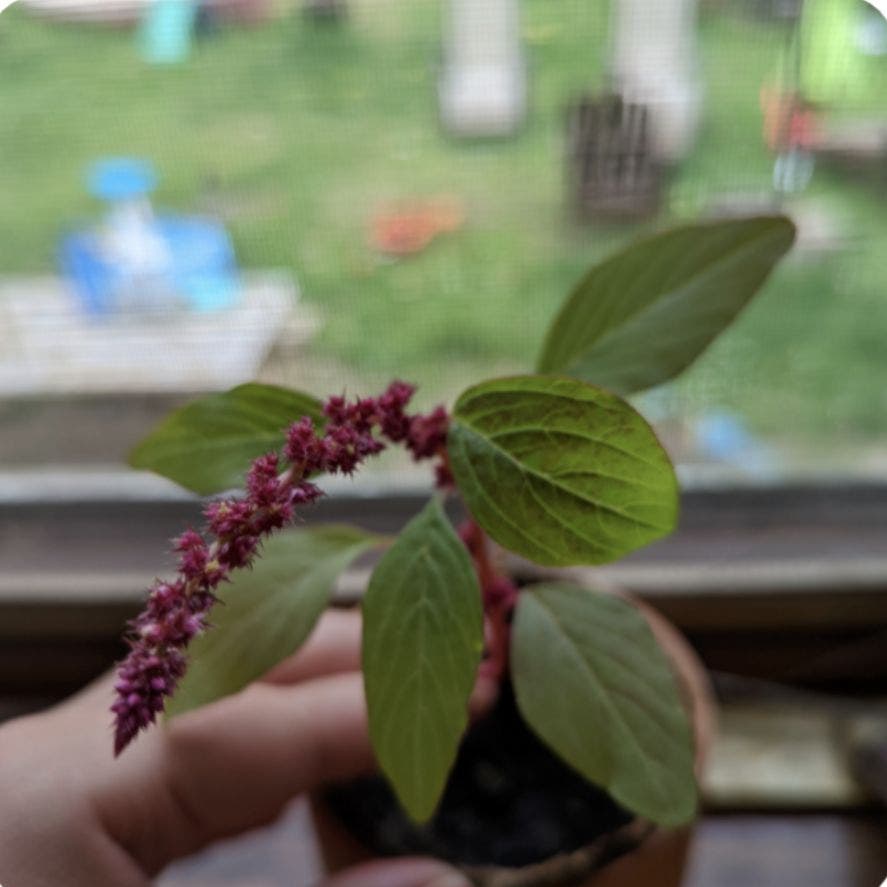
Why Are My Purple Amaranth Leaves Curling?
Amaranthus blitum
By the Greg Editorial Team
Jun 18, 2024•4 min read
This article was created with the help of AI so we can cover more plants for you. May contain errors. See one? Report it here.
Unravel the mystery behind your Purple Amaranth's curling leaves and restore its lush allure! 🌿🔍
- 🌱 Leaf curling signals stress; address over/underwatering, temperature, nutrients, pests.
- 💧🌡️ Adjust watering and temperature with tools like moisture meters and shade cloths.
- 🛡️ Prevent with consistent care, regular monitoring, and balanced fertilization.
Spotting the Signs of Trouble
🌿 Recognizing Leaf Curling
Leaf curling in Purple Amaranth can be subtle or dramatic. When leaves twist or fold significantly, it's a signal that your plant could be under stress. This isn't the plant showing off its flexibility; it's a cry for help. Natural growth includes some undulation, but when your amaranth looks like it's trying to coil into a spiral, it's time to pay attention.
🕵️ Early Detection
Spotting trouble early with Purple Amaranth can save you a world of hurt. Regular check-ups are your best defense. Look for leaves that seem to be contorting out of shape or developing a crispier texture than usual. If you catch these signs early, you're setting the stage for a great comeback story. Remember, procrastination is the arch-nemesis of plant health.

Unraveling the Causes of Curling Leaves
💧 Water Woes
Overwatering and underwatering are the usual suspects when it comes to curling leaves. The former makes leaves droop like a disappointed parent, while the latter causes them to curl up as if bracing for a drought. Your Purple Amaranth is not fond of extremes; it craves that "just right" level of moisture.
🔥 Feeling the Heat (or Chill)
Temperature swings are like unexpected plot twists for your Purple Amaranth—unwelcome and stressful. Heat stress makes leaves curl up, trying to conserve water, while cold stress can cause them to become brittle and curl downwards. It's a thermal rollercoaster that no leaf enjoys riding.
🌱 Hungry for Nutrients
Nutrient deficiencies turn leaves into sad, curling flags of distress. Lack of essential nutrients like nitrogen, phosphorus, or potassium can lead to curling leaves. Your plant is essentially holding up a sign that reads, "Feed me, Seymour!"
🐛 Unwanted Guests: Pests and Diseases
Pests and diseases are the party crashers of the plant world, causing leaves to curl as they munch away or spread their germs. Spider mites and aphids are infamous for this. Diseases like powdery mildew leave a telltale white residue, with curling leaves in their wake. It's a battle, and your Purple Amaranth is the battlefield.

Turning Over a New Leaf: Solutions for Curling
💧 Fine-Tuning Watering Habits
Watering your Purple Amaranth is like hitting that snooze button—timing is everything. To combat curling, adjust your routine to ensure the soil is consistently moist but never soggy. Think of it as a sponge; it should feel damp, not dripping. Room temperature water is your plant's best friend, preferably left out to bid farewell to any chlorine.
Tools and Techniques
A watering can with a long spout targets the roots and spares the leaves from unwanted showers, reducing the risk of fungal parties. And if you're the forgetful type, soil moisture meters are like those reminder apps—nudging you when it's time to water.
Temperature Tactics
Your Purple Amaranth isn't looking for a sauna or an ice bath; it craves stability. Mulch acts like a cozy blanket, keeping the soil's temperature mood swings in check. On scorching days, shade cloths are the equivalent of sunscreen, protecting your plant from a sunburn.
Nutritional Interventions
If your Purple Amaranth's leaves are curling, it might be silently screaming for nutrients. A balanced fertilizer is like a well-rounded diet, but don't turn into a supplement junkie—overfeeding can cause more harm than good. Soil testing kits are the crystal balls that reveal what's missing in the soil's nutritional profile.
Pest and Disease Defense
When it comes to pests and diseases, prevention is your plant's vaccine. Keep the area clean, and consider introducing beneficial insects that act like your plant's personal bodyguards. If pests still crash the party, organic insecticides are the bouncers that show them the door. For diseases, remove affected areas promptly—think of it as pruning away the drama.
Remember, your Purple Amaranth isn't just another pretty face in your garden; it's a living thing that needs attention and care. By fine-tuning your watering habits, keeping the temperature just right, feeding it a balanced diet, and protecting it from pests and diseases, you'll have those leaves straightened out like a line of well-behaved kindergartners.

Keeping It Straight: Prevention Strategies
🛡️ Consistency is Key
Creating a care routine for your Purple Amaranth is like setting up a weekly meal prep plan—it's all about staying on track. Consistent care is crucial in preventing leaf curling, ensuring your plant's environment remains as stable as its diet.
🚨 Vigilance and Proactivity
Be the plant's personal bodyguard. Regular monitoring means you're always on the lookout for signs of distress, ready to jump into action. As seasons change, so should your care—less water when it's cool, more shade when it's hot, like adjusting your wardrobe for the weather.
⚠️ Safety First
This content is for general information and may contain errors, omissions, or outdated details. It is not medical, veterinary advice, or an endorsement of therapeutic claims.
Always consult a qualified healthcare professional before using any plant as food, medicine, or supplement.
Never eat any plant (or feed one to pets) without confirming its identity with at least two trusted sources.
If you suspect poisoning, call Poison Control (800) 222-1222, the Pet Poison Helpline (800) 213-6680, or your local emergency service immediately.
Spotted an error? Please report it here.
Prevent your Purple Amaranth's leaves from curling 🍃 with Greg's personalized care reminders, ensuring your plant thrives with the right balance of water, nutrients, and love!