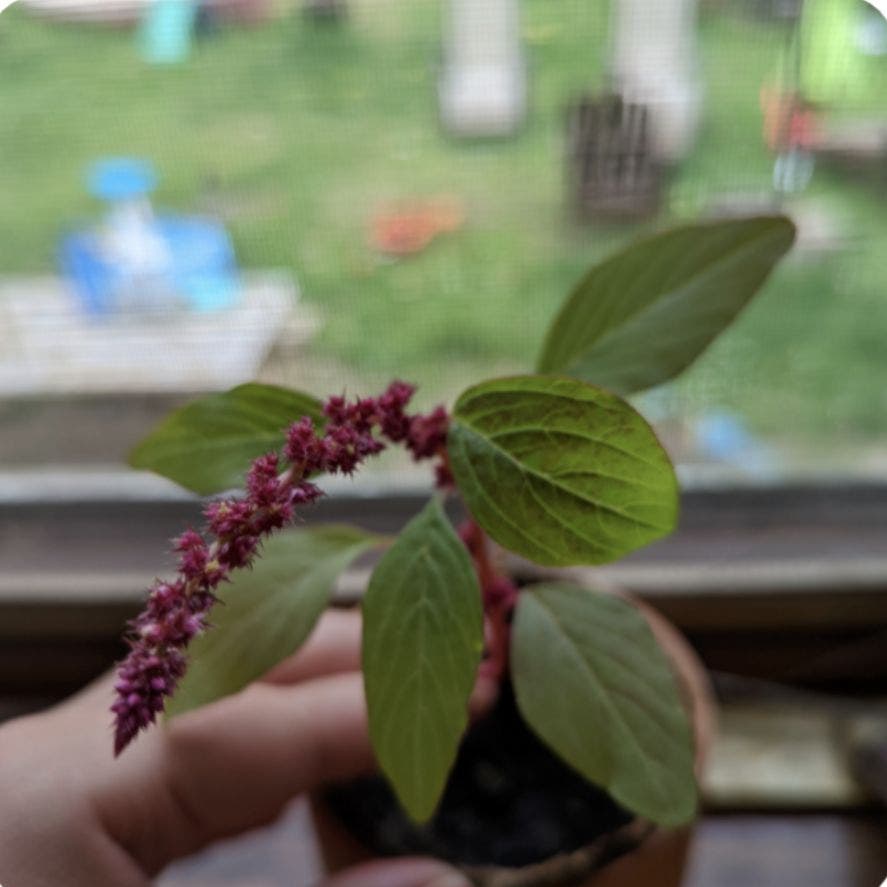
What Is The Best Way To Water a Purple Amaranth?
Amaranthus blitum
By the Greg Editorial Team
Jun 18, 2024•4 min read
This article was created with the help of AI so we can cover more plants for you. May contain errors. See one? Report it here.
Nurture vibrant purple amaranth to perfection with the ultimate watering guide. 🌺💦
- Deep watering for robust roots, less frequent but thorough.
- Soil moisture check: Dry an inch down means water time.
- Adjust schedule seasonally: More in summer, less in winter.
Spot the Signs: Overwatering vs. Underwatering
💦 Visual cues of too much love (water)
Overwatering your purple amaranth is like throwing a pool party without a lifeguard. Yellow leaves and a wet sponge feel to the soil are your plant's way of saying, "I'm drowning here!" If the roots are more mush than firm, it's time to dial back on the H2O and let the soil dry out.
🏜️ When your amaranth is thirsty for more
Conversely, underwatering turns your amaranth into a desert dweller without a drop to drink. Look for drooping leaves that feel like they've seen better autumns. If the soil is pulling a disappearing act from the edges of the pot, it's a clear sign your plant is parched.
🚰 Quick fixes for watering mishaps
Caught in a watering blunder? If you've overdone it, stop watering and let the soil go from swamp to semi-arid. For the Sahara scenario, introduce a steady stream of water, but no flash floods, please. Aim for consistent moisture to bring your amaranth back from the brink.

Watering Wisdom: Techniques and Tips
💧 The art of deep watering for robust roots
Deep watering isn't just a technique, it's a philosophy. Encouraging roots to stretch down for moisture creates a plant that stands tall in adversity. Water less frequently, but when you do, make it count—soak the soil thoroughly to promote hearty root growth.
🌱 Soil moisture: Your watering compass
Forget the gadgets; your finger is the ultimate soil moisture gauge. Probe the earth near your purple amaranth—if it's dry an inch down, it's time to water. Aim for that sweet spot of damp, not drenched soil.
🌿 Mulching: A moisture manager's best friend
Mulch is like a secret agent for soil moisture, keeping it steady and undercover. A layer of organic mulch around your amaranth can help maintain consistent moisture levels, but don't overdo it—too much is like a wet blanket at a bonfire.

Tailoring to Your Environment
🌱 Pot size and soil type: The dynamic duo
Pot size and soil type aren't just details; they're the foundation of your purple amaranth's watering needs. A larger pot holds more soil and, consequently, more moisture, which means less frequent watering. On the flip side, a small pot dries out faster, demanding a closer eye and a more regular watering routine.
Soil type is your plant's bedrock. Well-draining soil is a must for amaranth, as it hates wet feet. Opt for a mix that retains enough water to quench its thirst but allows excess to escape without a second thought.
🍂 Seasonal shifts: Adapting to the amaranth's needs
As the seasons change, so should your watering strategy. Spring's gentle warmth and autumn's cool embrace call for moderate watering. But when summer flexes its muscles, your amaranth's thirst will spike. Winter whispers for you to ease up, as your plant's water needs retreat with the sun.
🏡 Indoor vs. outdoor: Watering in different worlds
Whether your purple amaranth basks in the great outdoors or struts its stuff inside, its watering needs will shift. Indoor plants crave consistency, shielded from the elements but vulnerable to your home's dry air or overzealous heating. Outdoor plants live life on the edge, subject to nature's whims.
Outdoor amaranths revel in rain showers but might sulk during a drought. Indoors, your watering can takes the lead role. Keep an eye on the soil's moisture level; it's the script your plant follows. And remember, no two homes or gardens are the same. Your amaranth's watering needs are as unique as your Netflix recommendations.

Crafting the Perfect Watering Schedule
💧 The baseline: How often to start with
Consistency is your purple amaranth's best friend. Kick things off with a weekly watering schedule. This isn't set in stone, though; it's merely a starting point.
🌡️ Reading the room: Adjusting to temperature and humidity
Your amaranth doesn't care if it's Taco Tuesday—it's all about the environment. High humidity? Ease up on the watering can. Dry, desert-like conditions? Your plant's thirst will spike. Use a hygrometer to monitor air moisture, and adjust your watering accordingly.
🌱 Growth stages: When to ramp up or reduce
Like a gym newbie, young amaranths need regular watering to build a strong root system. As they mature, observe and adapt. During active growth, they may need more; when dormant, less. It's like tuning an instrument—listen closely and adjust to maintain the perfect harmony.
⚠️ Safety First
This content is for general information and may contain errors, omissions, or outdated details. It is not medical, veterinary advice, or an endorsement of therapeutic claims.
Always consult a qualified healthcare professional before using any plant as food, medicine, or supplement.
Never eat any plant (or feed one to pets) without confirming its identity with at least two trusted sources.
If you suspect poisoning, call Poison Control (800) 222-1222, the Pet Poison Helpline (800) 213-6680, or your local emergency service immediately.
Spotted an error? Please report it here.
Nurture your Purple Amaranth to flourish 💧 with Greg's custom watering reminders tailored to your plant's and home's unique needs, ensuring it never goes thirsty or drowns.