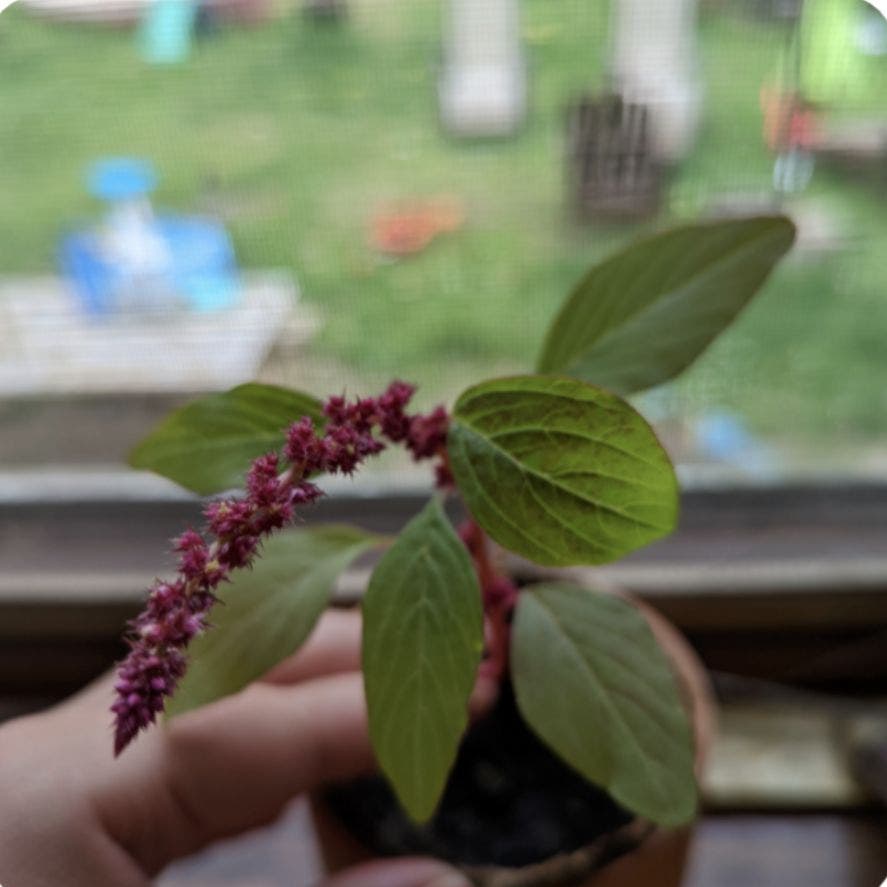
🤕 Why Are My Purple Amaranth Leaves Falling Over?
Amaranthus blitum
By the Greg Editorial Team
Jun 18, 2024•4 min read
This article was created with the help of AI so we can cover more plants for you. May contain errors. See one? Report it here.
Prevent Purple Amaranth despair 🍂 with this guide to tackling droopy leaves and root woes!
- Droopy leaves mean distress; check for overwatering, light issues, or nutrient lack.
- Prevent root rot with well-draining soil and proper watering.
- Strengthen with light and nutrients; use grow lights and balanced fertilizer.
Spotting the Signs: When Your Purple Amaranth Needs Help
🥀 Identifying Drooping Leaves in Purple Amaranth
Drooping leaves in your Purple Amaranth are like red flags at a bullfight – impossible to ignore. They signal distress, demanding immediate attention.
🌊 Recognizing the Symptoms of Overwatering and Root Rot
Root rot is the boogeyman of the plant world, lurking where excess moisture resides. Mushy roots and a stagnant smell are telltale signs that your watering enthusiasm has gone overboard.
💡 Detecting Signs of Insufficient Light and Weak Stems
Weak stems and a lackluster posture in your Purple Amaranth might be crying out for more light. Without enough rays, your plant's stems could become as feeble as a forgotten New Year's resolution.
🍽️ Noticing Symptoms of Nutrient Deficiencies
Yellowing leaves could be screaming for nitrogen, while a lack of flowering might indicate a potassium plea. Nutrient deficiencies turn your Purple Amaranth into a shadow of its potential glory.

Tackling Overwatering and Root Rot
💦 Assessing Soil Moisture Levels
To check for waterlogged soil, stick your finger into the soil near the base of your Purple Amaranth. If it feels more like a wet sponge than a moist piece of cake, you've got trouble. Remember, the soil should clump, not squish. For a high-tech approach, a moisture meter can be your plant's new best friend, giving you the dirt on, well, your dirt.
Well-draining soil isn't just nice, it's essential. Your Purple Amaranth's life depends on a mix that's more nightclub bouncer, less sponge. If your soil holds water like a grudge, it's time for an intervention. Mix in some perlite, vermiculite, or sand to get that water moving.
💧 Reviving an Overwatered Purple Amaranth
If your Purple Amaranth is drowning in excess H2O, it's time to play plant ER. First, halt all watering and let the soil dry out. Like a good detective, inspect the roots for rot—black or mushy roots are the usual suspects. Snip the bad guys out, repot with fresh, well-draining soil, and consider a pot with more holes than a plot in a bad movie.
Adjusting your watering routine isn't just smart; it's non-negotiable for recovery and prevention. Water only when the top inch of soil feels dry—think of it as the plant equivalent of "thirsty Thursday." And never let your plant's feet soak in a puddle; it's not a spa day—it's a recipe for root rot.

Let There Be Light: Strengthening Your Purple Amaranth
💡 Evaluating Your Light Setup
Bright, indirect light is the sweet spot for your Purple Amaranth. If it's stretching or fading, it's a cry for more lumens. Rotate the pot to prevent a lopsided growth habit. A light meter can be your best friend here, helping you find that perfect spot where your plant can bask in the glow without the threat of a sunburn.
💡 Improving Light Exposure
Upping your light game doesn't mean frying your plant to a crisp. Gradually introduce it to brighter areas, or use sheer curtains to diffuse direct sunlight. Grow lights? They're a solid backup. Opt for ones with red and blue wavelengths to support all-around plant health, from leafy growth to stem strength. But remember, it's all about balance—too much artificial sun, and you'll need to dial it back. Keep an eye on your plant's response, and adjust accordingly.

Feeding Your Purple Amaranth: Nutrient Management
💡 Identifying Nutrient Deficiencies
Yellowing leaves might be waving a flag for nitrogen deficiency. If your Purple Amaranth's growth has hit the brakes, phosphorus could be the missing puzzle piece. And let's not forget potassium – without it, your plant's leaves might droop like they've just heard bad news.
Understanding the impact on leaf and stem health is crucial. Nitrogen is all about that lush green color and leafy growth. Phosphorus? It's backstage, supporting root development and flowering. And potassium, it's the silent guardian, ensuring overall plant health and resilience.
🍽️ Fertilizing for Vigor
Choosing the right fertilizer for Purple Amaranth is like picking the perfect coffee blend – it's got to suit your taste, or in this case, your plant's palate. A balanced, water-soluble option with equal parts nitrogen, phosphorus, and potassium (think 10-10-10) can do wonders.
Creating a fertilizing schedule tailored to your plant's needs is like setting reminders for your own meals – regular but not excessive. During the active growing season, treat your Purple Amaranth every two to four weeks. When it's off-duty in the fall and winter, ease up on the feeding frenzy.
⚠️ Safety First
This content is for general information and may contain errors, omissions, or outdated details. It is not medical, veterinary advice, or an endorsement of therapeutic claims.
Always consult a qualified healthcare professional before using any plant as food, medicine, or supplement.
Never eat any plant (or feed one to pets) without confirming its identity with at least two trusted sources.
If you suspect poisoning, call Poison Control (800) 222-1222, the Pet Poison Helpline (800) 213-6680, or your local emergency service immediately.
Spotted an error? Please report it here.
Combat your Purple Amaranth's droop by addressing its needs from root rot to light exposure, and let Greg's custom care alerts 🌱 keep it standing tall and vibrant.