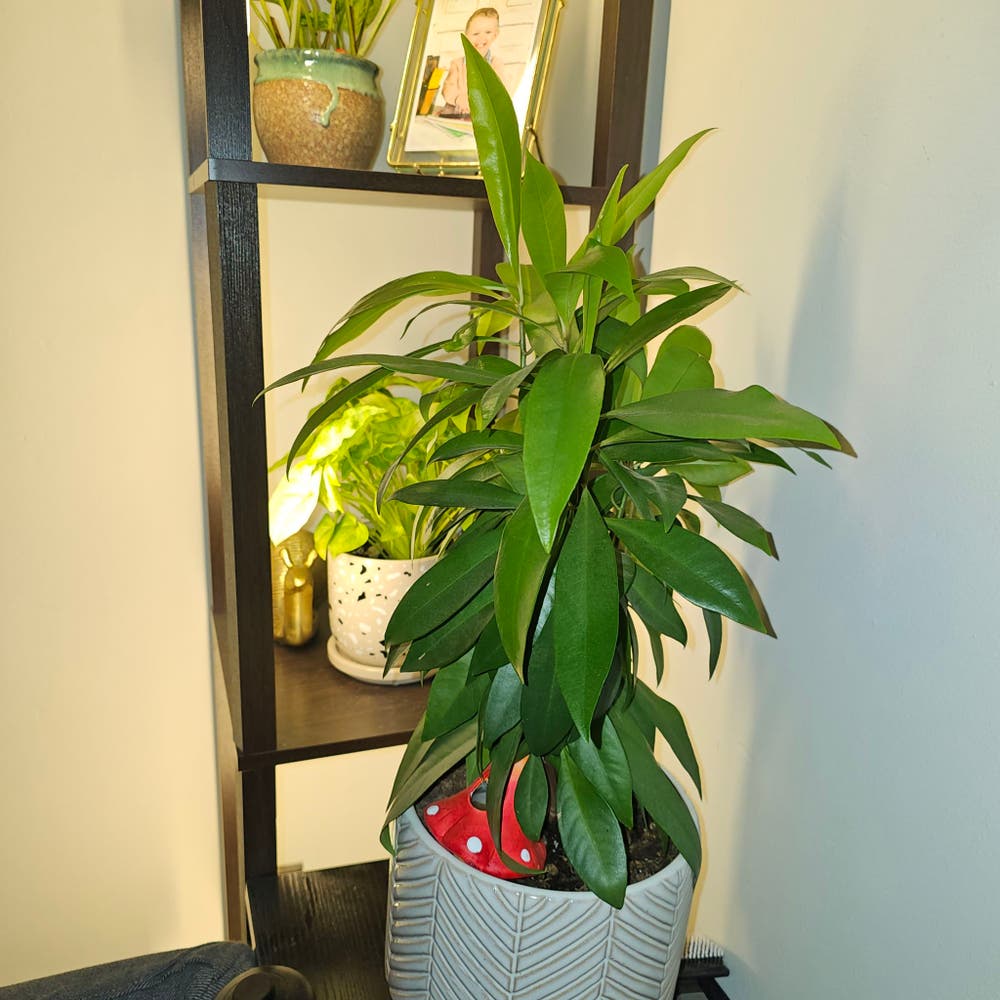
How to Propagate Your Japanese Ardisia
Ardisia japonica
By the Greg Editorial Team
Apr 15, 2024•5 min read
This article was created with the help of AI so we can cover more plants for you. May contain errors. See one? Report it here.
Grow a lush green sanctuary 🌿 from a single Japanese Ardisia with these foolproof propagation secrets.
- Stem cuttings need healthy stems, sharp shears, and node attention.
- Seed propagation requires clean seeds, well-draining mix, and shallow planting.
- Optimal conditions: Bright light, 75-80°F, 70-80% humidity.
Choosing Your Propagation Adventure
🌱 Stem Cuttings: Snip & Grow
Selecting Your Champion
Choose a healthy stem from your Japanese Ardisia, free of pests and diseases. Look for stems with several leaf nodes, as these are potential root sites.
Tools of the Trade
You'll need sharp pruning shears, sterilized to prevent disease spread. A clean workspace is non-negotiable.
The Cutting Ceremony
Snip below a leaf node, and remove leaves near the cut end to avoid rot. Rooting hormone is your ally here, not mandatory but highly recommended.
Planting Protocol
In a pot with well-draining soil, make a hole with a pencil and insert the cutting. Firm the soil gently, ensuring the cutting stands upright.
Aftercare
Keep the soil moist but not waterlogged. Patience is key; roots take time to develop.
🌱 Seed Propagation: From Tiny Seed to Lush Plant
Seed Harvesting
Collect seeds from ripe berries of your Japanese Ardisia. Clean them thoroughly to remove any pulp, as it can encourage mold.
Soil Setup
Use a well-draining seed starting mix. It should be moist but not soggy, creating a welcoming bed for your seeds.
Sowing Strategy
Plant seeds at a shallow depth, as light can aid germination. Space them out to prevent overcrowding and to allow for easy growth.
Germination Station
Place your pots in a spot with indirect light and consistent warmth to encourage sprouting. Covering with plastic can help maintain humidity.
Seedling Care
Once sprouted, keep the soil consistently moist. Gradually introduce more light to strengthen your seedlings and prepare them for eventual transplanting.
Creating the Perfect Propagation Environment
💡 The Right Spot: Light and Temperature
Light is your propagation's silent partner in crime. It's all about finding that sweet spot of bright, indirect sunlight. Direct sun is a no-go; it's the equivalent of putting your delicate cuttings in a frying pan. Instead, aim for the gentle embrace of diffused rays, like those found near a north-facing window or behind a sheer curtain.
Temperature is equally crucial. Your cuttings aren't fans of the cold shoulder or a hot temper. They prefer a steady warmth, around 75° to 80°F (24° to 27°C). Think of it as creating a microclimate that's perpetually stuck in the mildness of spring. Avoid drafts and sudden temperature swings like you'd avoid spoilers for your favorite show.
🌡️ Humidity Haven
Humidity is the unsung hero of propagation. You're aiming for a 70-80% humidity level, which is like wrapping your cuttings in a moist, warm hug. But beware, too much humidity and you're throwing a pool party for mold. That's why a daily venting of your mini-greenhouse setup is crucial—think of it as your cuttings' daily dose of fresh air.
Remember, your propagation environment is a balancing act. Light, temperature, and humidity need to be in sync. It's like being a DJ at a plant rave—you've got to mix the elements just right. Keep an eye on your cuttings; they'll tell you if the party's too hot, too dry, or just right.
Nurturing Your New Plants
💧 Watering Wisely
In the propagation phase, striking the right moisture balance is non-negotiable. Check the soil before watering—aim for a consistency that's moist, not drenched. Overzealous watering is a rookie mistake; it leads to root rot faster than you can say "soggy". Water at the base to avoid leaf issues and consider morning sessions to let excess moisture evaporate.
🌱 Feeding Your Future Foliage
Hold off on the fertilizer until you spot new growth—it's the green light your plants need. Start with a half-strength liquid fertilizer and apply it weekly. This gentle approach avoids overwhelming delicate roots and sets the stage for robust growth. Keep an eye on leaf color and vigor; they're the tell-tale signs of whether your feeding regimen is on point or needs tweaking.
Overcoming Propagation Pitfalls
🌱 Common Culprits: Identifying Issues
Propagation is a test of patience, but when problems arise, it's a call to action. Root rot often stems from overwatering—keep the soil moist, not soggy, and ensure pots have proper drainage. Fungal infections, like gray mold or powdery mildew, can crash the party; promote good airflow and have a fungicide on standby.
Yellowing leaves or stunted growth send an SOS; they're clues that demand immediate attention. Temperature fluctuations can shock new growth, so maintain a stable environment. If your plants look as parched as a desert, it's a sign to up the watering ante.
🐜 Keeping Pests at Bay
Pests are like gatecrashers at your propagation party. Mealybugs, aphids, and thrips view your tender plants as an all-you-can-eat buffet. Be vigilant and arm yourself with insecticidal soap or neem oil.
A good sterilization routine for tools and pots is your first line of defense—think of it as the bouncer at the door. If pests do infiltrate, show them the exit with gentle yet effective treatments. Remember, a healthy plant is less appealing to pests; proper watering, drainage, and a mix of sunlight and air circulation are like a plant's personal fitness routine.
Regular inspections are key—catch these critters early before they throw a rave in your plant's roots. Keep an eye out for early trouble signs, and tackle issues head-on to prevent a propagation predicament.
⚠️ Safety First
This content is for general information and may contain errors, omissions, or outdated details. It is not medical, veterinary advice, or an endorsement of therapeutic claims.
Always consult a qualified healthcare professional before using any plant as food, medicine, or supplement.
Never eat any plant (or feed one to pets) without confirming its identity with at least two trusted sources.
If you suspect poisoning, call Poison Control (800) 222-1222, the Pet Poison Helpline (800) 213-6680, or your local emergency service immediately.
Spotted an error? Please report it here.
Ensure your Japanese Ardisia cuttings and seedlings thrive 🌿 with Greg's tailored watering and fertilizing reminders, making propagation a breeze.