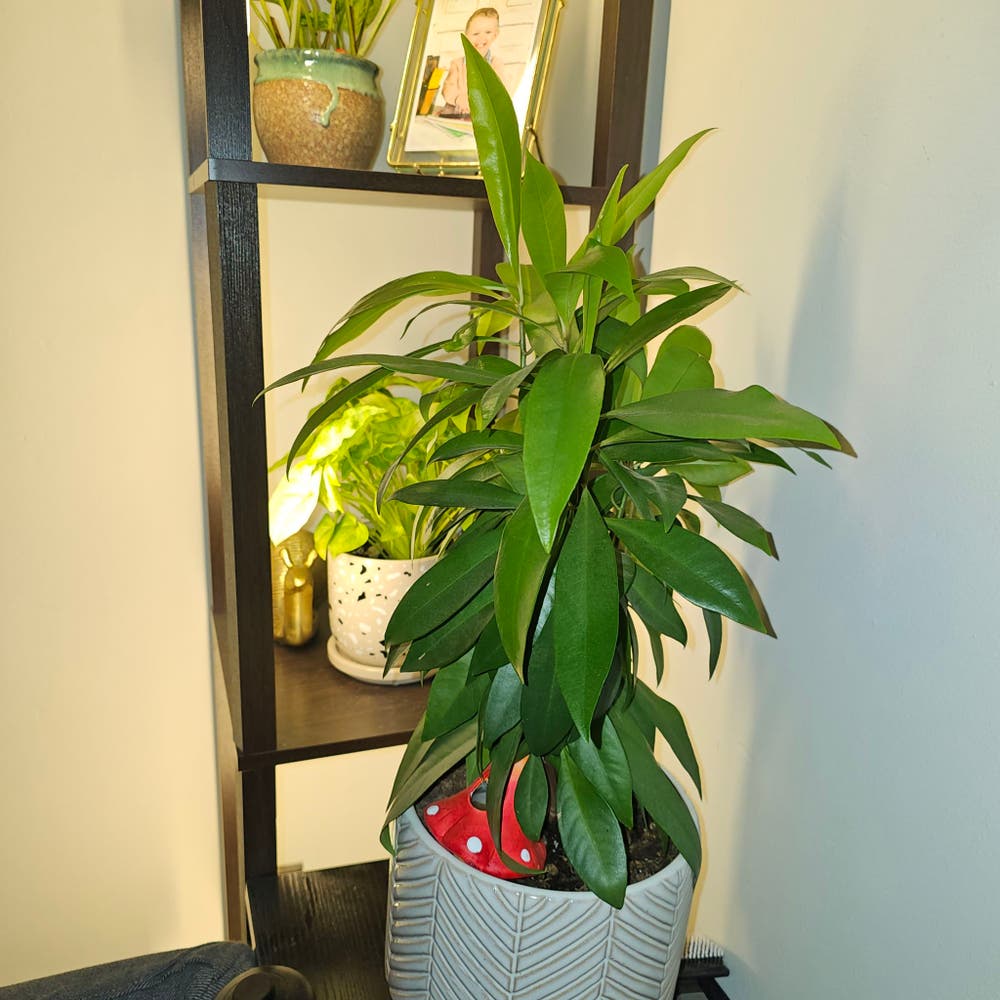
Best Soil Potting Mix for Japanese Ardisia
Ardisia japonica
By the Greg Editorial Team
Apr 15, 2024•4 min read
This article was created with the help of AI so we can cover more plants for you. May contain errors. See one? Report it here.
Nurture a lush Japanese Ardisia 🌿 with the perfect DIY soil mix recipe for peak health and vibrancy.
- Mold signals trouble: Remove and replace with sterile soil to prevent root rot.
- Slightly acidic soil (pH 5.5-6.5) is ideal for Japanese Ardisia's health.
- Customize your mix with peat moss, perlite, and pine bark for perfect growth conditions.
Spotting Trouble: When Your Japanese Ardisia's Soil Goes Bad
🚩 Recognizing Signs of Unhealthy Soil
Mold on your Japanese Ardisia's soil isn't a style statement—it's a red flag. If you notice a musty smell or see colorful fuzz, it's time to act. Yellow leaves or a plant that's stopped growing are your Ardisia crying out for help. Don't ignore these signs; they can quickly lead to root rot and plant demise.
🛠 Quick Fixes for Common Soil Issues
Moldy soil needs a swift kick to the curb. Remove visible mold and swap in fresh, sterile soil. If your watering routine could rival a monsoon, dial it back. Let the soil dry out between waterings. Compacted soil is no friend to roots; introduce perlite or coarse sand to give your Ardisia the breathing room it deserves. Ensure your pot has drainage holes that could make Swiss cheese jealous. If water retention is more persistent than a telemarketer, consider a soil mix with better drainage. Remember, your plant's roots need air just as much as they need water.
The Ideal Soil Mix for Japanese Ardisia
🌱 Key Components for a Healthy Soil Mix
Japanese Ardisia thrives in acidic soil that strikes a balance between moisture retention and drainage. The ideal pH level hovers around 5.5 to 6.5, which is slightly acidic, catering to the plant's preference. Organic matter is crucial, enriching the soil with nutrients essential for growth and flowering.
🌿 Customizing Soil Texture and Moisture Retention
Adjusting soil components is key for optimal growth conditions. Peat moss or its sustainable alternatives, like coco coir, serve as the base for moisture. Perlite or pumice is vital for preventing compaction, ensuring the roots have room to breathe. The addition of pine bark can enhance drainage, keeping roots healthy and preventing waterlogging. Adjust ratios based on your plant's size and environmental conditions for that tailored touch.
Store-Bought vs. Homemade: Soil Mix Showdown
🌱 Evaluating Commercial Soil Mixes
When eyeing store-bought soil mixes, prioritize drainage and organic content. Ignore flashy packaging; focus on practical features like resealable bags. Organic certifications are a plus for the eco-conscious. However, remember that commercial mixes may not be the perfect fit for Japanese Ardisia's unique needs and can be costlier than homemade options.
🌿 Crafting Your Own Japanese Ardisia Soil Mix
Roll up your sleeves for the DIY route. Here's a simple guide to creating a custom soil mix:
- Start with a base; peat moss or a sustainable alternative works well.
- Add drainage boosters like perlite or pine bark to ensure aeration.
- Mix in natural pH balancers to achieve the ideal acidity level for Japanese Ardisia.
- Adjust the texture and moisture retention to suit your plant's preferences.
Remember, creating your own mix is a cost-effective way to meet your Japanese Ardisia's exact needs. It requires some effort and research, but the satisfaction of tailoring the perfect growing environment is unmatched.
The Recipe for Success: Homemade Soil Mix Ingredients
💎 The Base: Peat Moss and Its Alternatives
Peat moss is the cornerstone of many soil mixes due to its superior moisture retention. However, its sustainability is often questioned, leading gardeners to seek alternatives like coir. Coir, derived from coconut husks, offers a similar texture and water-holding capacity, with a bonus for the eco-conscious.
🚰 The Drainage Boosters: Perlite and Pine Bark
Perlite is the go-to for preventing waterlogged roots; think of it as the soil's personal trainer, keeping it fit and aerated. Pine bark, on the other hand, adds grit to the mix, promoting drainage while also decomposing slowly to enrich the soil.
🌡️ The pH Balancers: Adjusting Soil Acidity
Japanese Ardisia thrives in slightly acidic soil. To hit that sweet spot, incorporate materials like peat or coir, which naturally lower pH. If you're after precision, a pH test can guide you in fine-tuning the acidity with these organic materials.
⚠️ Safety First
This content is for general information and may contain errors, omissions, or outdated details. It is not medical, veterinary advice, or an endorsement of therapeutic claims.
Always consult a qualified healthcare professional before using any plant as food, medicine, or supplement.
Never eat any plant (or feed one to pets) without confirming its identity with at least two trusted sources.
If you suspect poisoning, call Poison Control (800) 222-1222, the Pet Poison Helpline (800) 213-6680, or your local emergency service immediately.
Spotted an error? Please report it here.
Craft the ideal soil mix for your Japanese Ardisia to prevent mold and root rot, and rely on Greg to personalize 🌿 your plant care reminders for thriving growth.