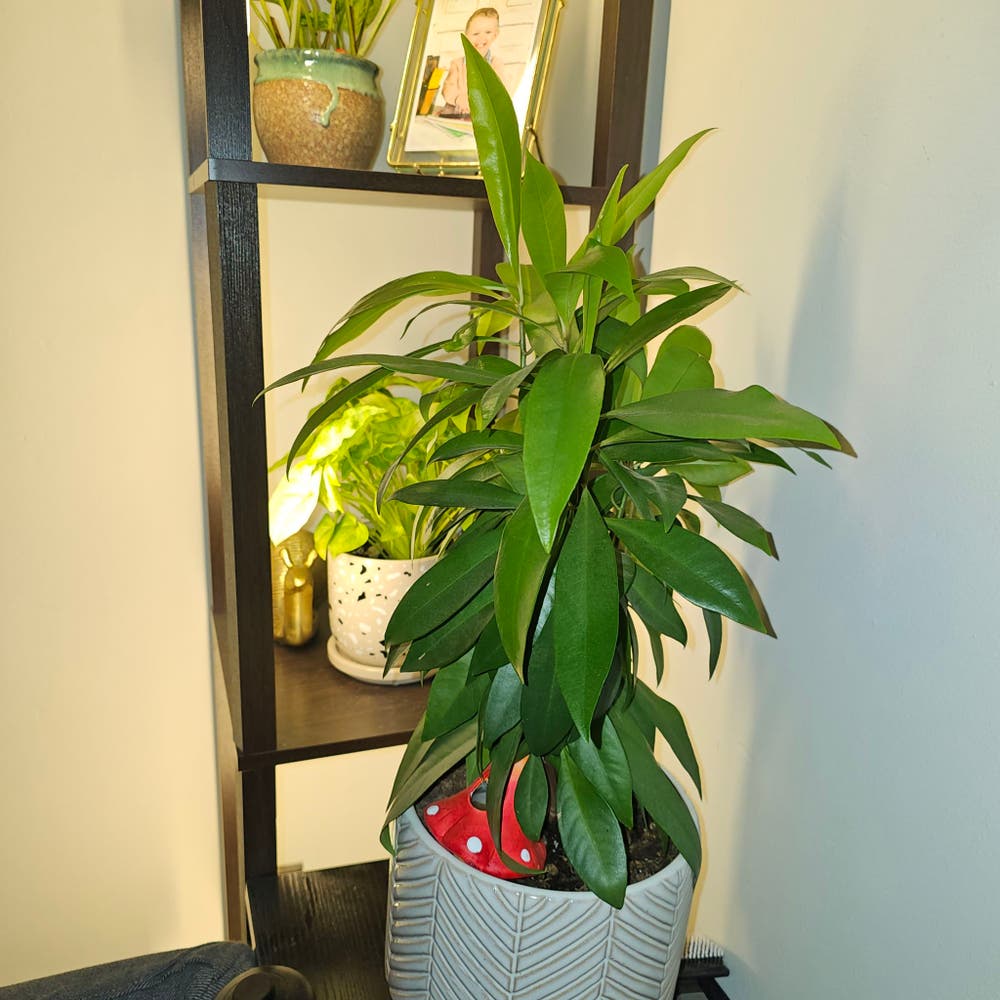
What Do Japanese Ardisia Flowers Mean?
Ardisia japonica
By the Greg Editorial Team
Apr 15, 2024•4 min read
This article was created with the help of AI so we can cover more plants for you. May contain errors. See one? Report it here.
Unearth the serenity of Japan's soul 🌸 and master the art of blooming Japanese Ardisia in your own garden.
- Symbol of serenity in Japanese art and culture.
- 🌱 Proper care ensures blooming: light, temperature, soil, and water.
- Seasonal adjustments promote flowering; celebrate with cultural integration.
Unveiling the Symbolism
🌸 The Language of Flowers in Japan
In Japan, flowers are more than mere decoration; they are emissaries of sentiment. The Japanese Ardisia, with its delicate pink blossoms, communicates appreciation and a gentle charm. This language of flowers, or Hanakotoba, is deeply embedded in the culture, allowing emotions to be conveyed without a word. Each Ardisia bloom is a whisper, a nod to the nuanced art of silent expression.
Art and Literature
Japanese Ardisia flowers, though less prominent than the iconic cherry blossoms, still find their way into the tapestry of Japanese creativity. Their subtle beauty may grace the backdrop of a classical painting or be woven into the fabric of a haiku, symbolizing serenity or the understated elegance that Japanese artistry so often celebrates. These flowers serve as a testament to the cultural reverence for nature's understated masterpieces.
The Secret to Blooming Success
🌸 Prime Conditions for Flowering
Japanese Ardisia flowers are notoriously finicky bloomers, but getting the conditions just right can lead to a spectacular display. Light is the non-negotiable starting point; these plants demand bright, indirect sunlight. Too direct, and you risk leaf burn; too dim, and you'll be waiting indefinitely for flowers. Keep the thermostat steady, as Japanese Ardisia prefers a temperature range of 60-90 degrees Fahrenheit—too cold, and the flowers might as well be on strike.
Soil and Water Preferences
When it comes to soil, think of the perfect brownie texture—well-draining yet moist. Overwatering is the fast track to root rot, so let the soil dry out a touch between waterings. Humidity is a friend here, but don't let it turn into a clingy relationship; adjust your watering to avoid soggy soil conditions.
Fostering Growth for Flowers
🌱 Pruning Techniques
Pruning is like a strategic game of chess with your plant; it's all about the next move. Trim after the blooming cycle to promote health and set the stage for future flowers. It's a delicate balance, though—prune too much, and you risk cutting off more than just dead weight.
💧 Fertilization: What Works Best
Fertilization is where things get real. Use a balanced fertilizer in the spring to encourage blooming, but don't go overboard. Too much, and you're the proud owner of a lush, leafy, bloomless bush. Less is more—think of it as a gentle nudge rather than a shove for your Japanese Ardisia to get its bloom on.
When Flowers Speak
🌸 Interpreting Flowering Patterns
Prolific blooming of Japanese Ardisia flowers is a nod to your green thumb. It suggests that the plant's needs are being met, from lighting to nutrition. On the flip side, sparse flowering often waves a red flag, hinting at potential issues with care or environment.
🎉 Blooms and Japanese Celebrations
Japanese Ardisia flowers don't just grow; they participate in cultural festivities. Their presence in celebrations, from New Year to Tanabata, is a testament to their cultural resonance. These blooms are not mere decorations but symbols of the season and the sentiments attached to it.
Encouraging and Celebrating Blooms
💐 Tips for Encouraging Flowering
Japanese Ardisia plants, with their delicate blossoms, require seasonal care adjustments to flourish. As the seasons change, so should your approach to nurturing these beauties.
- Spring and Summer: These are growth periods for Japanese Ardisia. Increase watering and ensure they receive plenty of indirect sunlight. It's their time to shine, so don't skimp on hydration.
- Fall and Winter: As growth slows, so does their need for water. Reduce watering frequency to prevent root rot. Think of it as their time to cozy up and rest.
Fertilization is like a secret handshake for blooms. Use a balanced, low-nitrogen fertilizer to encourage flowering without overwhelming the plant.
Integrating Blooms into Daily Life
Once your Japanese Ardisia is in full bloom, it's time to showcase their splendor. Here's how to integrate these blooms into your daily life:
- Create a Focal Point: Place the plant in a spot where it's sure to catch the eye. A living room corner or a well-lit hallway could be ideal stages for your plant's performance.
- Rotate Regularly: Give your plant the spotlight by rotating it. This ensures all sides receive equal light and encourages even growth and blooming.
Remember, the key to enjoying Japanese Ardisia flowers is to engage with them. Water them while sipping your morning coffee, or simply pause to admire their blooms as a reminder of nature's wonders amidst the daily hustle.
⚠️ Safety First
This content is for general information and may contain errors, omissions, or outdated details. It is not medical, veterinary advice, or an endorsement of therapeutic claims.
Always consult a qualified healthcare professional before using any plant as food, medicine, or supplement.
Never eat any plant (or feed one to pets) without confirming its identity with at least two trusted sources.
If you suspect poisoning, call Poison Control (800) 222-1222, the Pet Poison Helpline (800) 213-6680, or your local emergency service immediately.
Spotted an error? Please report it here.
Cultivate your own slice of tranquility 🌿 with Japanese Ardisia, using Greg's tailored care reminders to ensure your blooms reflect the understated elegance they're famed for.