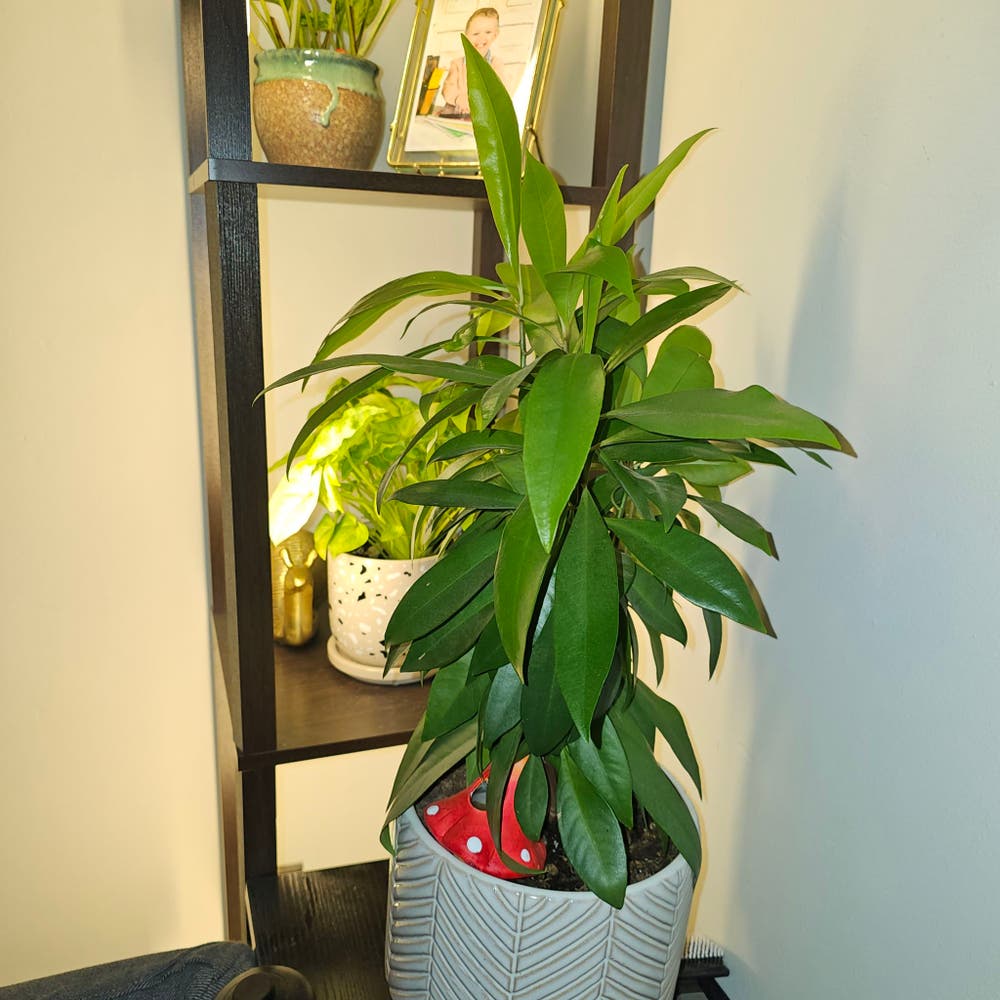
Why Are My Japanese Ardisia Leaves Curling?
Ardisia japonica
By the Greg Editorial Team
Apr 15, 2024•4 min read
This article was created with the help of AI so we can cover more plants for you. May contain errors. See one? Report it here.
Unravel the mystery of curling Ardisia leaves and restore plant perfection with our expert guide! 🌿🔍
- 🌡️ Stabilize climate with humidifiers or pebble trays to prevent curling.
- 💧 Water when top inch of soil is dry; use finger as a guide.
- 🌱 Consistent care and monitoring keep Japanese Ardisia leaves healthy.
Pinpointing the Culprits Behind Curly Leaves
🌡️ Temperature and Humidity Troubles
Extreme temperature swings and improper humidity levels can wreak havoc on Japanese Ardisia leaves, causing them to curl. It's like they're throwing a fit because they're not comfortable.
🛠️ Quick Fixes
To stabilize your plant's climate, consider a humidifier or a pebble tray for moisture. Keep your plant away from drafts and sudden temperature changes. It's about finding that sweet spot.
💧 Water Woes: Too Much or Too Little
Overwatered leaves often look swollen and unhappy, while underwatered ones appear dry and crispy. The golden rule? Water when the top inch of soil feels dry.
💦 Watering Frequency and Technique
Use your finger as a moisture meter. When in doubt, less is more. Ensure good drainage to avoid soggy soil conditions.
🌞 Light Levels: Finding the Sweet Spot
Too much light scorches leaves, causing them to curl and bleach. Insufficient light makes them stretch and twist unnaturally. It's a delicate dance.
💡 Ideal Lighting Conditions
Japanese Ardisia thrives in bright, indirect light. Shield it from harsh direct rays, especially during the scorching midday sun.
🍽️ Nutrient Know-How
Nutrient deficiencies manifest in leaves curling and discoloring. It's like your plant is on a bad diet and showing it.
🌱 Fertilization Tips
A balanced, liquid fertilizer during the growing season can work wonders. Don't overdo it; follow the label instructions to avoid nutrient burn.
Straightening Out Curly Leaves: Immediate Actions
🚿 Tweaking Watering Habits
When Japanese Ardisia leaves curl, it's time to scrutinize your watering habits. Here's the lowdown:
- Check the soil before watering—poke around to feel if it's dry or damp.
- Water thoroughly, allowing excess to drain. No one likes wet feet, not even your plants.
- Let the soil dry slightly between waterings. Think of it as your plant's breathing space.
🏡 Creating a Cozy Environment
Your plant's comfort zone is crucial. To stop the curl:
- Move your plant to a spot with stable temperatures; avoid drafts and heat sources.
- Use a humidifier or pebble tray to up the humidity without turning your space into a sauna.
🍽️ Feeding Your Plant Right
Nutrient deficiencies can cause leaves to curl faster than a bad hair day in humidity. To fix:
- Fertilize with a balanced, water-soluble option, but don't go overboard. It's food, not an all-you-can-eat buffet.
- Water after feeding to help nutrients circulate, like washing down a snack with a drink.
Long-Term Care to Keep Leaves Unfurled
📆 Consistent Care Schedule
Routine is your Japanese Ardisia's best friend. Like clockwork, establish a care schedule that includes regular watering, feeding, and pruning. This isn't about being a control freak; it's about providing a stable environment where your plant can thrive. Remember, plants are creatures of habit, too.
💧 Watering
Watering should be more ritual than reaction. Stick to a consistent schedule, allowing the soil to dry out between waterings. But don't be a slave to the calendar; let your plant's thirst be your guide. Adjust for seasonal humidity and temperature changes—your plant's not going to chug water just because it's Tuesday.
🌱 Feeding
Fertilize with precision, not a heavy hand. Align fertilization with your plant's growth stages and the seasons. It's like hitting the gym; you wouldn't down a protein shake when you're not working out, right? So, feed your plant when it's in its growth spurt, not when it's chilling.
✂️ Pruning
Prune with the care of a bonsai artist. This isn't just about aesthetics; it's about directing energy to the leaves that matter. Get rid of the old to make way for the new. It's like decluttering your space; it feels good and it's good for you—or in this case, your plant.
📈 Monitoring and Adjusting
Keep an eye on your plant like it's a moody teenager. Changes in leaf texture or color are your cues to tweak your care routine. Keep a log; it's not about being obsessive, it's about being attentive. And remember, your plant communicates through its leaves, so listen up and act accordingly.
🌡️ Environmental Stability
Your Japanese Ardisia doesn't need drama. Avoid temperature swings and keep humidity levels consistent. It's like setting the mood for a chill evening at home—no surprises, just a comfortable vibe.
🍂 Seasonal Adjustments
Be your plant's personal meteorologist. As seasons change, so should your care. Move your plant away from drafty windows in winter, and maybe give it a little more light. Water less frequently, but don't let the soil turn into the Sahara. It's about adapting, not overhauling.
🏃♂️ Long-Term Commitment
This is a marathon, not a sprint. Your Japanese Ardisia is in it for the long haul, and so should you be. Consistency and attentiveness over time will keep those leaves unfurled and your plant happy. It's like a good friendship—it thrives on steady care and the occasional check-in.
⚠️ Safety First
This content is for general information and may contain errors, omissions, or outdated details. It is not medical, veterinary advice, or an endorsement of therapeutic claims.
Always consult a qualified healthcare professional before using any plant as food, medicine, or supplement.
Never eat any plant (or feed one to pets) without confirming its identity with at least two trusted sources.
If you suspect poisoning, call Poison Control (800) 222-1222, the Pet Poison Helpline (800) 213-6680, or your local emergency service immediately.
Spotted an error? Please report it here.
Keep your Japanese Ardisia's leaves perfectly poised 🌿 with Greg's personalized care plans that adapt to your home's unique environment and your plant's needs.