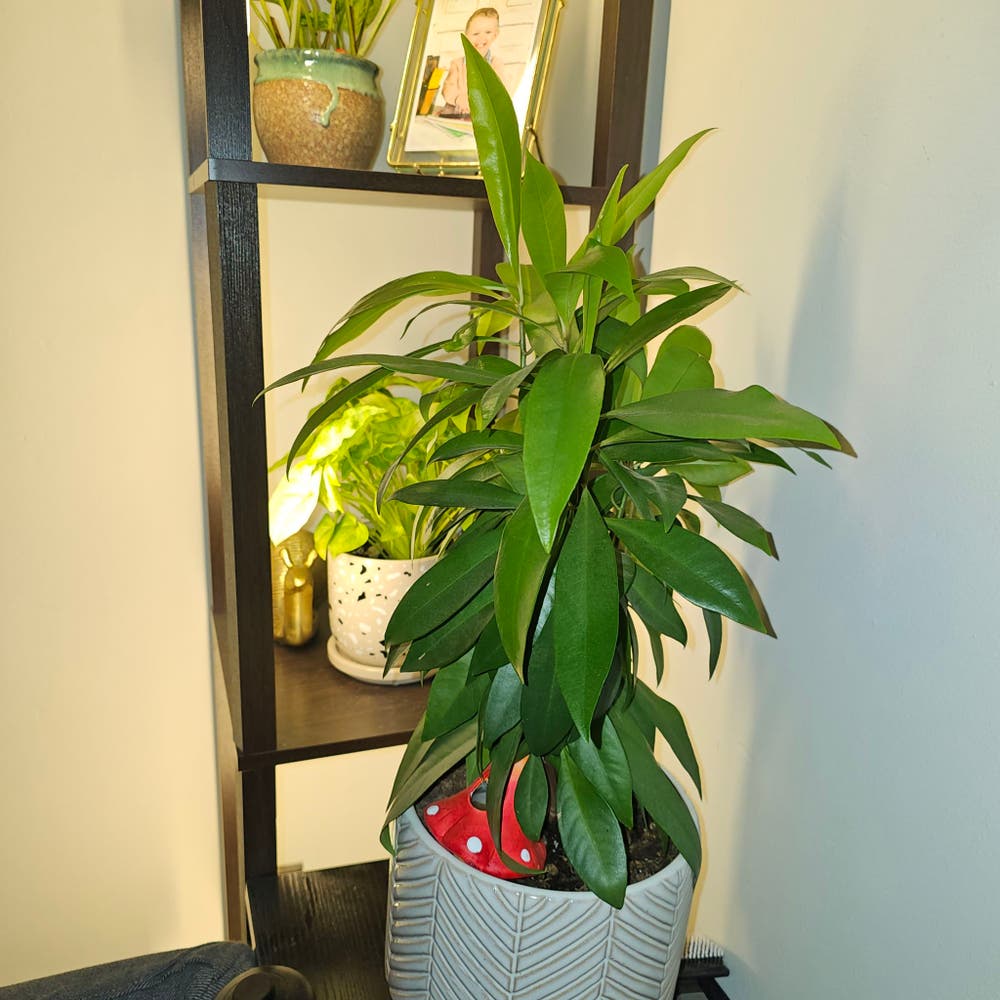
💧 How Much Humidity Does My Japanese Ardisia Need?
Ardisia japonica
By the Greg Editorial Team
Apr 15, 2024•3 min read
This article was created with the help of AI so we can cover more plants for you. May contain errors. See one? Report it here.
Discover the secret to lush Japanese Ardisia 🌿—perfecting humidity within the sweet spot of 40-60%!
- 40-60% humidity ideal for Japanese Ardisia's health.
- 🌫️ Humidifiers and pebble trays help maintain moisture levels.
- Monitor leaves and use hygrometer to detect and adjust humidity.
Spotting Your Japanese Ardisia's Humidity Sweet Spot
💧 Absolute vs. Relative Humidity: A Quick Run-Through
Absolute humidity is the total water vapor in the air. However, for your Japanese Ardisia, it's all about relative humidity—the percentage of moisture air holds relative to its temperature. This is the key player in plant hydration.
What Your Japanese Ardisia Craves
The Japanese Ardisia thrives in a relative humidity range of 40-60%. This sweet spot ensures that the leaves stay lush, not crispy, and supports healthy blooms. Keep a hygrometer handy to monitor these levels, avoiding the guesswork and potential plant drama.
When the Air's Too Dry: Boosting Humidity
💦 DIY Humidity Hacks
Pebble trays are the unsung heroes of humidity. Just grab a tray, toss in some stones, pour in water, and set your Japanese Ardisia on top. The water evaporates, humidity rises, and your plant breathes a sigh of relief. But keep the pot elevated; you don't want to drown those roots in enthusiasm.
Misting is like a caffeine hit for your plant's atmosphere—quick, easy, but short-lived. Overdo it, and you're not a plant parent anymore; you're a fungus's best friend. Use misting sparingly, as a complement to more stable methods.
🌬️ Tech to the Rescue
Enter the humidifier, your Japanese Ardisia's knight in shining armor against the dry air dragon. It's a steady stream of moisture, tailored to your plant's needs. Just set it to the ideal humidity level, and you're golden. Remember, we're aiming for a gentle, consistent mist—think spring drizzle, not monsoon season.
Hygrometers are your eyes in the sky, keeping watch over the moisture kingdom. They'll help you maintain that humidity sweet spot without turning your living room into a sauna. Keep it balanced; your Japanese Ardisia will thank you with lush leaves and vibrant blooms.
When It's a Moisture Overload: Reducing Humidity
💨 Airflow and Your Plant
Air circulation is critical for your Japanese Ardisia in high humidity conditions. It's like the plant's personal climate control, preventing moisture from getting too comfortable. Crack a window or get a fan whirring to keep the air fresh and moving. Remember, stagnant air is a playground for fungi and other moisture-loving pests.
🌬️ Dehumidify Your Green Buddy's Space
When the air feels like a wet blanket, it's time for a dehumidifier to step in. These gadgets are the unsung heroes, quietly pulling moisture from the air. Timing is key; run it during the most humid parts of the day to strike that perfect balance. But don't overdo it—you're aiming for a comfortable middle ground, not a desert. Keep an eye on the humidity level to ensure your plant's environment stays just right.
Reading the Signs: What Your Plant is Telling You
🌿 Too Much or Too Little?
Japanese Ardisia leaves are the tattle-tales of humidity distress. Crispy edges or tips often scream low humidity, while yellowing leaves might be whispering about too much moisture. If the foliage is drooping like it's lost all hope, that's a sign of a moisture overdose. On the flip side, leaves that resemble potato chips are crying out for a humidity boost.
🛠 Quick Fixes
Caught your Japanese Ardisia looking distressed? Act fast. If it's too dry, introduce a pebble tray or mist the leaves. Too moist? Improve air circulation or relocate to a drier area. Remember, these are quick fixes, not long-term solutions. Keep an eye on your plant; it's the best barometer you've got.
⚠️ Safety First
This content is for general information and may contain errors, omissions, or outdated details. It is not medical, veterinary advice, or an endorsement of therapeutic claims.
Always consult a qualified healthcare professional before using any plant as food, medicine, or supplement.
Never eat any plant (or feed one to pets) without confirming its identity with at least two trusted sources.
If you suspect poisoning, call Poison Control (800) 222-1222, the Pet Poison Helpline (800) 213-6680, or your local emergency service immediately.
Spotted an error? Please report it here.
Ensure your Japanese Ardisia thrives with the perfect humidity 💧 by using Greg's custom alerts to maintain that lush, tropical vibe.