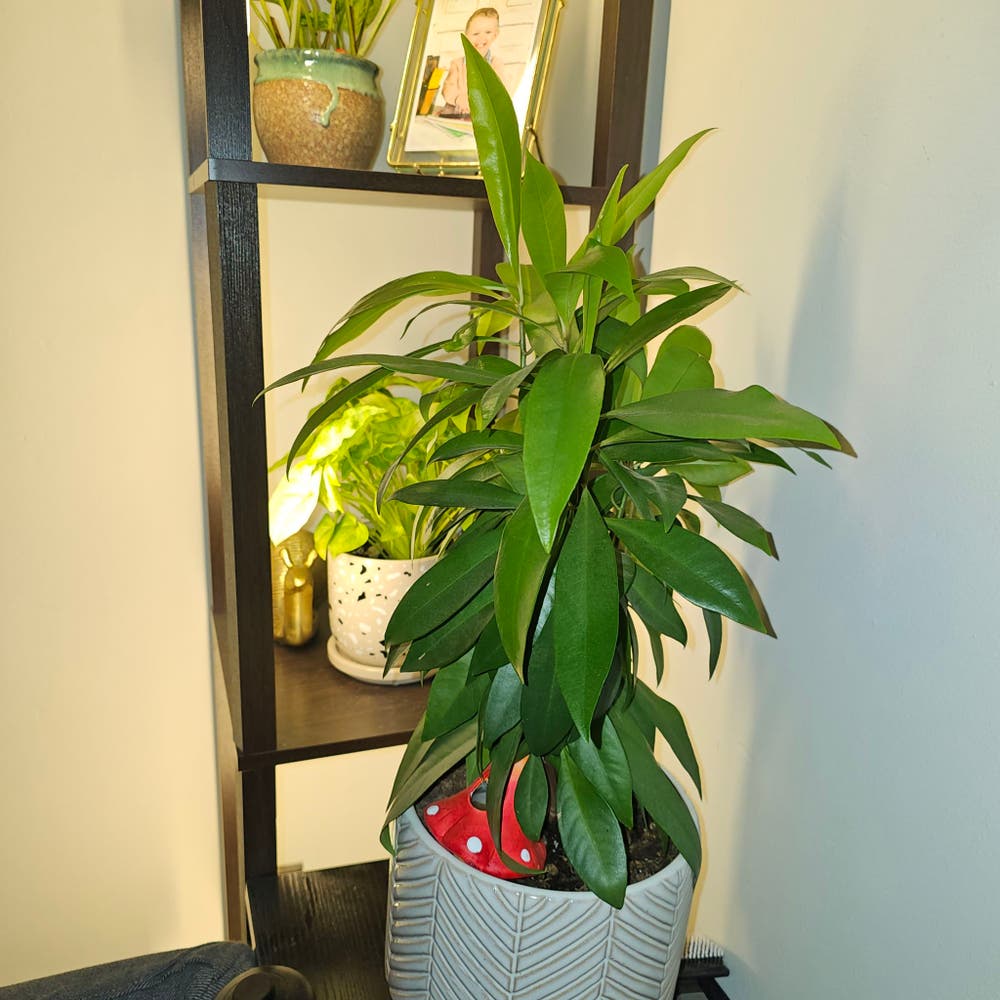
Why Are My Japanese Ardisia Leaves Falling Over?
Ardisia japonica
By the Greg Editorial Team
Apr 15, 2024•4 min read
This article was created with the help of AI so we can cover more plants for you. May contain errors. See one? Report it here.
Revive your Japanese Ardisia's droopy leaves 🍃 with these proven care tips for a lush, upright display!
- Overwatering and underwatering can both cause leaf droop; adjust watering carefully.
- Bright, indirect light is ideal; too much or too little light weakens leaves.
- Stable temperatures and humidity are crucial; use humidifiers and avoid drafts.
When Water Gets Out of Line
💦 Overwatering: The Root of the Problem
Yellowing leaves and a sense of sogginess around your Japanese Ardisia? Classic overwatering. The plant's roots are gasping for air, and the leaves are the first to show it. Cut back on water immediately. Let the soil dry out before you even think of watering again. Check the roots; if they're brown and mushy, it's time to act. Trim the damaged parts and repot in fresh, well-draining soil. Remember, your pot needs drainage holes to avoid a repeat performance.
🏜️ Underwatering: When Thirst Leads to Collapse
Wrinkled, curled leaves are your plant's way of saying, "I'm thirsty!" If the soil feels like a dry wasteland several inches down, your Japanese Ardisia is in drought mode. Increase watering frequency gradually—think of it as a steady rehydration, not a deluge. Use your finger to test soil moisture before each watering. Consistency is key; erratic watering schedules are the enemy of a happy plant. Keep the soil moist, but not waterlogged, and your plant will thank you with perky leaves.
Light and Shade: Finding the Sweet Spot
⛅️ Too Much Sun Can Lead to a Sunburn
Excessive light is a stressor for Japanese Ardisia, causing leaves to wilt or even scorch. To prevent this, adjust the plant's position to a location with bright, indirect sunlight. Use sheer curtains to diffuse strong rays, especially during peak hours. Watch for signs of recovery, such as new growth and a return to vibrant coloration.
⛅️ Not Enough Light, Not Enough Strength
Insufficient light leads to weak, leggy plants. Ideal lighting for Japanese Ardisia is bright yet indirect, which supports robust leaf growth. If natural light is scarce, consider supplementing with grow lights. Adjust the light source to mimic natural conditions, ensuring your plant doesn't become the botanical equivalent of a couch potato.
Temperature and Humidity: Creating a Cozy Home
🔥 Heat Waves and Cold Snaps
Temperature extremes are like unsolicited advice for Japanese Ardisia—neither is welcome. Leaves can wilt or crisp when the mercury plummets or soars. Stable temperatures keep the foliage perky, much like a predictable daily routine keeps us sane. To shield your plant from the whims of weather, position it away from drafty windows and ensure it's not in the direct line of heating or air conditioning vents.
💧 Humidity: The Invisible Embrace
Humidity is to plants what a balanced diet is to us—essential. Japanese Ardisia leaves thrive in a moist, but not wet, atmosphere. If your indoor air is more Sahara than Amazon, consider a humidifier or a pebble tray. Grouping plants can also boost humidity levels, creating a mini ecosystem where each plant helps its neighbor stay hydrated. Remember, too much of a good thing can lead to fungal issues, so aim for that 60% humidity sweet spot. Keep a hygrometer close by to monitor levels and adjust as needed.
The Support System: Soil and Roots
🌱 The Foundation Matters
Soil isn't just dirt; it's the VIP lounge for your plant's roots. A well-structured mix is crucial to prevent Japanese Ardisia leaves from taking a nosedive. Drainage is the name of the game here. You want water to flow through like a good conversation, not pool like awkward silence. Choose a mix that's a blend of potting soil, perlite, and maybe a dash of peat moss for that plush yet breathable feel.
🌿 Root Health: The Heart of the Matter
Roots are the underground heroes, and spotting trouble early can save your plant's leafy greens from a sad fate. If the roots are unhappy, the leaves are the first to throw a fit. Keep an eye out for signs of distress like browning or softness. To get those roots back in the groove, think of repotting as a spa day—refreshing the soil, checking for pests, and giving them room to stretch.
⚠️ Safety First
This content is for general information and may contain errors, omissions, or outdated details. It is not medical, veterinary advice, or an endorsement of therapeutic claims.
Always consult a qualified healthcare professional before using any plant as food, medicine, or supplement.
Never eat any plant (or feed one to pets) without confirming its identity with at least two trusted sources.
If you suspect poisoning, call Poison Control (800) 222-1222, the Pet Poison Helpline (800) 213-6680, or your local emergency service immediately.
Spotted an error? Please report it here.
Revive your Japanese Ardisia's leaves from drooping to dazzling 🌟 with Greg's custom care schedule, ensuring just-right watering, lighting, and humidity.