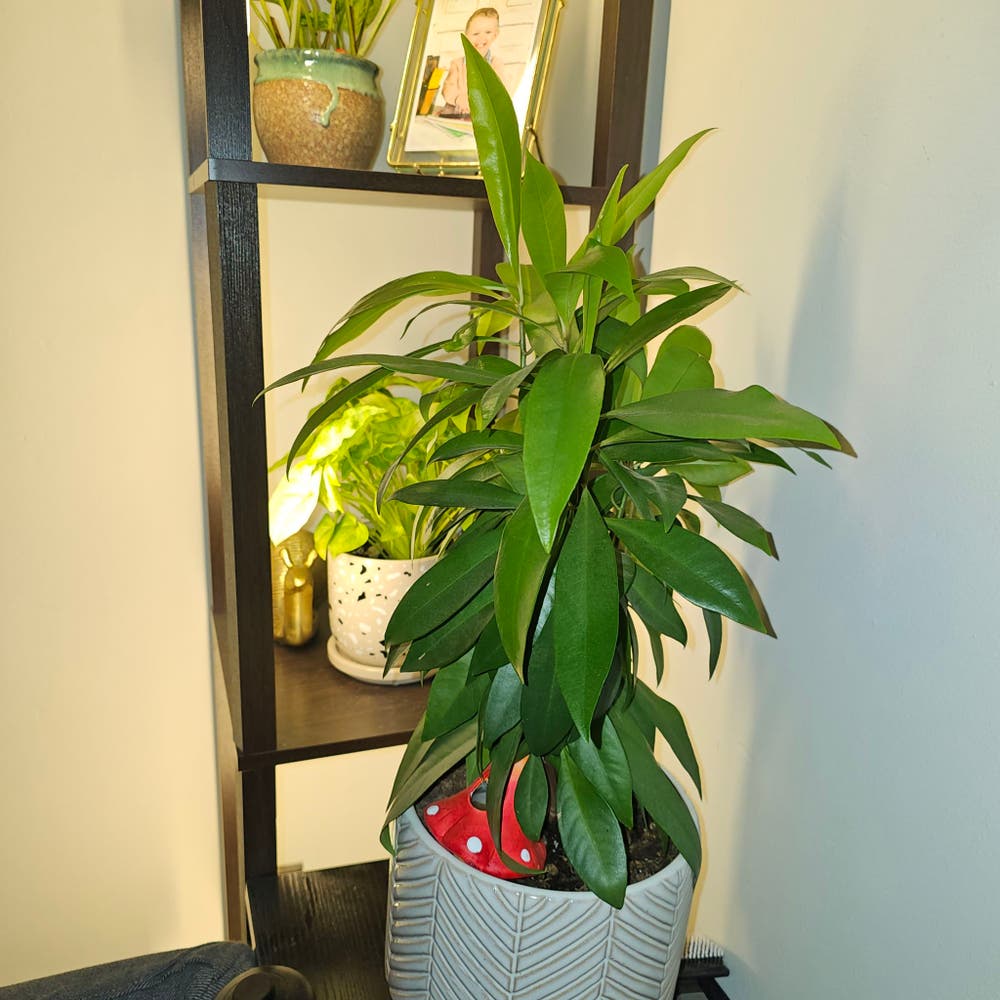
Why Are My Japanese Ardisia Leaves Mushy?
Ardisia japonica
By the Greg Editorial Team
Apr 15, 2024•4 min read
This article was created with the help of AI so we can cover more plants for you. May contain errors. See one? Report it here.
Rescue your Japanese Ardisia from mushy peril 🍂 with these essential care tips and quick fixes!
- Overwatering? Yellow leaves and mushiness signal too much water.
- Improve drainage with terracotta pots and well-draining soil mix.
- Fungal foes? Use copper fungicide and water soil, not leaves.
Spotting the Signs of Trouble
🚰 Recognizing Overwatering Symptoms
Yellowing leaves are your first clue; they're the plant's version of a white flag. If your Japanese Ardisia's leaves feel like they're filled with excess moisture, you've likely been overzealous with the watering can. Mushy stems and leaves that drop at the slightest touch are further evidence that you're drowning your plant in love.
🚰 Identifying Poor Drainage Issues
When the soil feels more like a wet sponge than a nurturing environment, it's a sign of poor drainage. If water pools on the surface or your plant's pot feels heavier than usual, it's time to rethink your drainage game. A quick check of the drainage holes for blockages can be revealing.
🚰 Detecting Fungal Foes
A foul odor emanating from the soil is a distress signal for potential fungal issues. Brown spots on leaves or a general appearance of despair can indicate a fungal invasion. If leaves are falling off like a bad habit, it's time to suspect a fungal foe is at play.
First Response to Mushy Leaves
🌧️ Immediate Actions for Overwatered Plants
When your Japanese Ardisia's leaves turn to mush, act fast. Halt all watering to let the soil dry. While you might feel like a neglectful plant parent, it's crucial for recovery.
🚰 Quick Fixes for Drainage Dilemmas
Inspect the pot for proper drainage. If it's lacking, consider a repot into a vessel with holes that could make a colander jealous. Choose a soil that's more aerated than your average sitcom laugh track.
🍄 Tackling Fungal Infections Head-On
If a fungus is partying at your plant's expense, show it the door with a copper-based fungicide. Remember, it's a treatment, not a spa day—apply as directed and keep an eye out for improvements.
Long-Term Care Strategies
💧 Fine-Tuning Your Watering Routine
Watering your Japanese Ardisia is less about sticking to a strict schedule and more about observing. Check the soil's top inch; if it's dry, it's time to water. Use a moisture meter for precision, and adjust your routine with the seasons—less in the cool months, more in the summer.
🏡 Upgrading Your Plant's Living Quarters
Terracotta pots and a well-draining soil mix are your best friends to prevent future mushiness. Mix in perlite or coarse sand to improve aeration. Remember, good drainage is not a luxury; it's a necessity for your plant's survival.
🍄 Fungal Prevention Tactics
To fend off fungal foes, water at the soil level and keep those leaves dry. Sterilize your tools, and promote good air circulation. Think of it as setting up a defense system against unwanted invaders. And don't forget, a clean space is a safe space for your plants.
When to Call in the Experts
🚑 Seeking Professional Help
Sometimes, your Japanese Ardisia's mushy leaves stump even the most seasoned plant parents. Knowing when to seek professional help is crucial. It's time to consult a plant specialist or pathologist if:
- Your plant's condition deteriorates despite your best efforts.
- You've tried all the DIY fixes, and the mushiness persists or spreads.
- The plant shows severe distress or symptoms of a widespread disease.
- You suspect the issue might be related to toxicity or a severe infection.
Recognizing Persistent Problems
If your plant's leaves remain mushy despite your best attempts at correction, or if the condition worsens, consider this your green light to call in the cavalry. A local horticulturist or plant specialist can offer a second opinion and may identify issues invisible to the untrained eye.
The Cost of Knowledge
Be mindful that professional consultations might come with a fee, but consider it an investment in your plant's future. After all, the right guidance can turn a plant tragedy into a growth opportunity—for both you and your Dracaena Massangeana.
Guidance on Consulting Plant Specialists
Remember, the internet is a treasure trove of information, but it's no substitute for a trained eye. If your plant is more pin than cushion, a professional might just save its spiky little life. Don't be shy to reach out to a local nursery or a plant clinic. These folks are like the plant world's ER doctors and can often diagnose an issue with a quick glance. For those midnight plant panics, consider an app like PictureThis, where trained experts are just a chat away.
⚠️ Safety First
This content is for general information and may contain errors, omissions, or outdated details. It is not medical, veterinary advice, or an endorsement of therapeutic claims.
Always consult a qualified healthcare professional before using any plant as food, medicine, or supplement.
Never eat any plant (or feed one to pets) without confirming its identity with at least two trusted sources.
If you suspect poisoning, call Poison Control (800) 222-1222, the Pet Poison Helpline (800) 213-6680, or your local emergency service immediately.
Spotted an error? Please report it here.
Stop the mushiness in your Japanese Ardisia by letting Greg craft a personalized watering schedule 🚿 that considers your home's unique environment, ensuring your plant thrives without the guesswork.