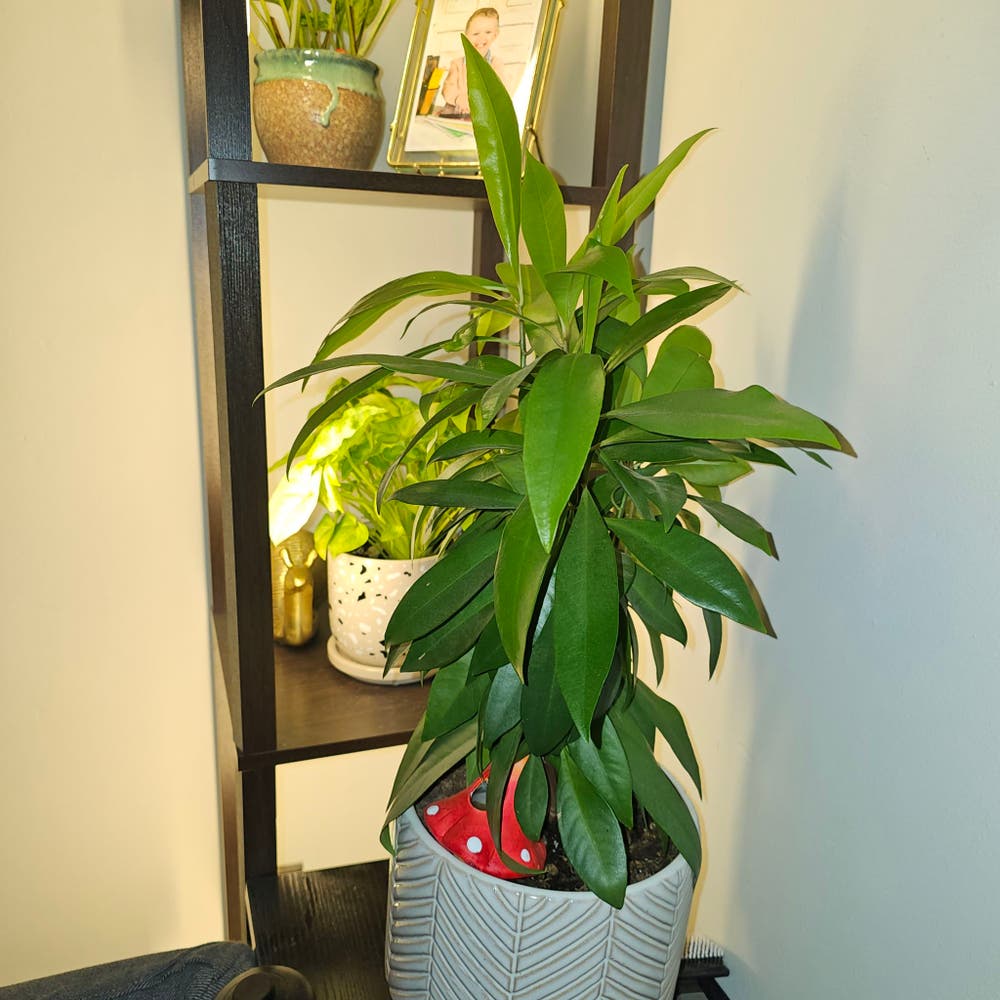
Fertilizing My Japanese Ardisia
Ardisia japonica
By the Greg Editorial Team
Apr 15, 2024•4 min read
This article was created with the help of AI so we can cover more plants for you. May contain errors. See one? Report it here.
Nurture a lush Japanese Ardisia 🌿 with the right fertilizing secrets—timing, technique, and recovery from too much love.
- Balanced 10-10-10 fertilizer recommended for optimal Japanese Ardisia nutrition.
- Time fertilization with growth cycles; bi-weekly in growth, less in winter.
- Recognize over-fertilization signs like yellow leaves; fix with soil flushing.
Choosing the Right Fertilizer for Your Japanese Ardisia
💡 Balanced Fertilizers: The Key to Flourishing Ardisia
N-P-K ratio is non-negotiable for a flowering plant's diet. Think of it as the trifecta of plant nutrition. Your Japanese Ardisia craves a balanced meal—a 10-10-10 mix usually nails it, offering equal shares of nitrogen, phosphorus, and potassium.
Organic fertilizers are the slow food movement of the plant world. They release nutrients at a pace your Ardisia can handle, minimizing the risk of root burn. Synthetic options, while faster-acting, can be the equivalent of a nutrient overdose if not applied with care.
💡 Slow-Release Fertilizers: A Safer Bet
Slow-release fertilizers are like a trust fund for your plant—steady and reliable. They dole out nutrients over time, reducing the risk of overfeeding.
When choosing a slow-release fertilizer, opt for one that's specifically formulated for flowering plants. This ensures your Japanese Ardisia gets the right amount of sustenance without the constant need for reapplication. Remember, less is often more when it comes to plant nutrition.
Timing is Everything: When to Fertilize
⏰ Syncing with Growth Cycles
Japanese Ardisia's growth and blooming seasons are pivotal in planning your fertilization schedule. Spring heralds a new growth phase, making it the ideal time to start fertilizing. As the plant prepares to bloom, providing nutrients can enhance its health and floral display.
🌼 Best Times to Fertilize for Optimal Health and Bloom
Early spring is when you should introduce a balanced fertilizer, continuing every two weeks through summer. This consistency supports the plant's active growth and budding flowers. As autumn arrives and growth slows, shift to a monthly feeding routine to maintain plant vigor without overwhelming it.
💪 Frequency Matters
During the active growth period, a bi-weekly fertilization schedule is key. It's like hitting the gym regularly—you're building up your plant's strength and bloom potential. But as the seasons change, so should your approach. In the dormant winter months, ease up. Think of it as giving your plant a well-deserved rest.
Fertilization Techniques for Japanese Ardisia
💊 Getting the Dosage Right
Determining the correct amount of fertilizer for your Japanese Ardisia is more precision than guesswork. Use the manufacturer's guidelines as your starting point, typically a conservative measure. Less is often more; overdoing it can lead to nutrient overload and plant stress.
🌱 Application Methods for Success
Mix it up—ensure the fertilizer is evenly distributed to avoid "hot spots" that can burn roots. Apply directly to the soil, steering clear of leaves to prevent damage. Watering your plant before and after fertilizing aids in nutrient uptake and reduces the risk of salt buildup.
Observe your plant's response post-application. Signs of improvement indicate you're on the right track, while any distress suggests you need to adjust your approach. Remember, a thriving Japanese Ardisia is the result of careful observation and adjustment, not just a set-it-and-forget-it feeding schedule.
Recognizing and Fixing Over-Fertilization
🌱 Spotting the Signs of Too Much Love
Yellowing leaves or a white crusty buildup on the soil's surface could mean you've gone overboard with the fertilizer. If your Japanese Ardisia's growth seems stunted or the leaves are turning brown at the tips and edges, take it as a cry for help. Over-fertilization can also cause roots to appear brown, black, or limp, and you might notice wilting leaves despite the soil being moist.
🚿 The Road to Recovery
First, stop fertilizing immediately—your plant needs a break. Flush the soil with water to dilute the excess nutrients; think of it as a detox for your plant's roots. Ensure the pot has adequate drainage to prevent waterlogged conditions. Hold off on the next round of fertilizer until you see signs of recovery, like new growth. In the future, less is more. Keep a close eye on your plant's response to fertilization and adjust accordingly. If you've accidentally created a nutrient party that's gotten out of hand, it's time to dial it back and let your Japanese Ardisia recover at its own pace.
⚠️ Safety First
This content is for general information and may contain errors, omissions, or outdated details. It is not medical, veterinary advice, or an endorsement of therapeutic claims.
Always consult a qualified healthcare professional before using any plant as food, medicine, or supplement.
Never eat any plant (or feed one to pets) without confirming its identity with at least two trusted sources.
If you suspect poisoning, call Poison Control (800) 222-1222, the Pet Poison Helpline (800) 213-6680, or your local emergency service immediately.
Spotted an error? Please report it here.
Ensure your Japanese Ardisia thrives without the risk of over-fertilization by using Greg to get custom reminders 📅 for the right feeding schedule and amounts.