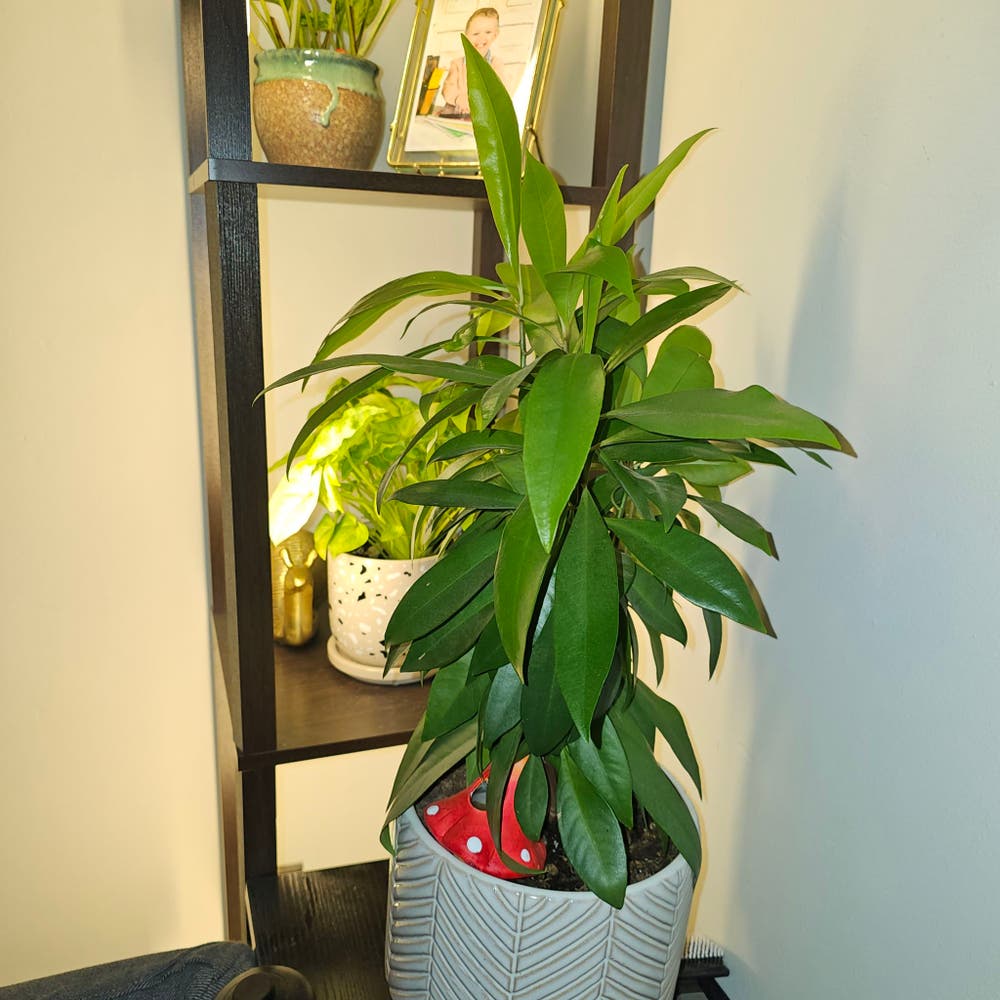
Why Is My Japanese Ardisia Dropping Leaves?
Ardisia japonica
By the Greg Editorial Team
Apr 15, 2024•3 min read
This article was created with the help of AI so we can cover more plants for you. May contain errors. See one? Report it here.
Halt leaf loss 🍂 and nurture a lush Japanese Ardisia with these essential care tips.
- Overwatering and underwatering both lead to leaf drop; check soil moisture before watering.
- Adjust light and temperature to prevent stress and leaf shedding.
- Regular pest inspections and proper fertilization keep your Japanese Ardisia healthy.
Pinpointing the Culprit: Common Causes of Leaf Drop
💧 Overwatering Woes
Too much water is a common misstep. If your Japanese Ardisia's soil feels like a drenched towel, you're overdoing it. This can lead to root rot, where roots turn to mush and leaves fall like dominoes.
🏜️ The Thirsty Plant: Underwatering Issues
Conversely, underwatering leaves your Ardisia gasping. Dry, crispy leaves are a dead giveaway. Strike a balance with moisture to keep your plant from becoming a leaf-shedding statue.
🌞 Light and Temperature: Finding the Sweet Spot
Leaves dropping can signal a protest against poor lighting or wild temperature swings. Your Ardisia isn't a fan of the spotlight nor the cave life. Find that light sweet spot and keep the temperature as steady as a surgeon's hand.
🐜 Unwanted Guests: Pest Infestations
Pests like spider mites or aphids can turn your plant into an all-you-can-eat buffet. Regular check-ups can save your Ardisia from becoming a bug's paradise. Prevention beats cure, so keep those critters in check.
🍽️ Feeding Your Plant: Nutrient Deficiencies
Yellowing leaves can be a cry for help due to nutrient deficiencies. Your Ardisia isn't picky but does need a balanced diet. Tailor your fertilization routine like a bespoke suit, and watch your plant thrive.
Turning Over a New Leaf: Solutions and Preventative Measures
💧 Fine-Tuning Watering Habits
Check soil moisture before watering—your plant's thirst meter. If it's dry an inch down, it's time to water. Establish a watering schedule that respects the seasons—your Ardisia will drink less in winter. Remember, overwatering is a party foul for roots, leading to rot.
Drainage is non-negotiable. Ensure pots have drainage holes and consider a soil mix with perlite or pumice. This isn't just about avoiding swamp conditions; it's about giving roots the air they love.
🌡️ Creating a Cozy Home: Environmental Control
Light and temperature swings are drama for plants. Adjust your Ardisia's spot to avoid direct sunlight burns or the chills of a drafty window. Think of it as setting the mood for growth.
Humidity can be a friend or foe. Too dry, and your Ardisia might start shedding leaves like a dog in summer. Aim for that humidity sweet spot—like a tropical morning, not a desert afternoon.
🐜 Keeping Pests in Check
Pests are party crashers. Keep an eye out for freeloaders like aphids and mealybugs. A blast of water or a mild insecticide can show them the door. Regular leaf inspections are your best defense—think of it as bouncer duty.
Preventative measures are your shield. Good air circulation and avoiding wet leaves can keep fungal gatecrashers from ruining the greenery.
🥦 Nutritional Balance: Feeding Your Japanese Ardisia
Select a fertilizer that's like a balanced diet for your plant—too much of one thing is never good. Seasonal feeding tips? Go light on the snacks during the plant's dormant winter phase.
Remember, consistency in care is like a steady drumbeat for your plant's life. It's not about coddling, it's about providing a stable foundation for your Ardisia to strut its leafy stuff.
⚠️ Safety First
This content is for general information and may contain errors, omissions, or outdated details. It is not medical, veterinary advice, or an endorsement of therapeutic claims.
Always consult a qualified healthcare professional before using any plant as food, medicine, or supplement.
Never eat any plant (or feed one to pets) without confirming its identity with at least two trusted sources.
If you suspect poisoning, call Poison Control (800) 222-1222, the Pet Poison Helpline (800) 213-6680, or your local emergency service immediately.
Spotted an error? Please report it here.
Prevent your Japanese Ardisia from dropping leaves by letting Greg tailor 🌟 a care routine that adjusts to your home's unique environment, ensuring your plant thrives.